Left and Leaving by Weakerthans Lyrics Meaning – Unraveling the Anthems of Transience and Belonging
Lyrics
through buildings gone missing like teeth.
The sidewalks are watching me think about you,
all sparkled with broken glass.
I’m back with scars to show.
Back with the streets I know.
They never take me anywhere but here.
Those stains in the carpet,
this drink in my hand,
these strangers whose faces I know.
We meet here for our dress-rehearsal to say
“I wanted it this way”
and wait for the year to drown.
Spring forward, fall back down.
I’m trying not to wonder where you are.
All this time lingers, undefined.
Someone choose who’s left and who’s leaving.
Memory will rust and erode into lists
of all that you gave me:
some matches, a blanket, this pain in my chest,
the best parts of Lonely,
duct-tape and soldered wires,
new words for old desires,
and every birthday card I threw away.
I wait in 4/4 time.
Count yellow highway lines
that you’re relying on to lead you home.
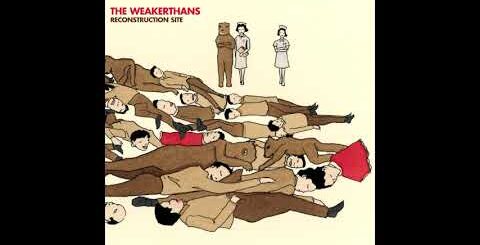
Delicately capturing the essence of departure and the emotional static that it leaves behind, The Weakerthans’ ‘Left and Leaving’ is more than just a melody; it’s a heartfelt narrative etched into the soul of indie rock. The song, a standout track from their 2000 album of the same name, serves as an intimate journey through the landscapes of change and the threshold of past and future.
Nestled in the nuanced lyrics penned by frontman John K. Samson, the piece has become an anthem for the pensive and the lost, the seekers of closure, and the survivors of personal dissolution. This exploration dives into the multi-layered meanings and poignancies of a song that refuses to be tethered to a single interpretation.
The City Breathes: An Ode to Eternal Return
Opening with a desolate vision of his native city, Samson’s lyrics paint a stark picture of the urban life that persists in spite of decay. The mention of ‘buildings gone missing like teeth’ juxtaposes vacancy against vibrancy, suggesting both personal and communal loss within the landscape. The city’s descent acts as a mirror for the protagonist’s emotional state, both bearing scars of indelible experiences.
In this realm of survival, the streets become an anchor — redundant yet familiar. Despite the aimlessness the character feels, it is in this environment that they find a semblance of identity. ‘Back with the streets I know’ signifies this paradox of comfort in the unchanging, while hinting at a yearning for escape from the old cycles that refuse to ‘take me anywhere but here.’
Staging Regrets and the Illusion of Control
The scene set in a bar with stains and drinks is one of stagnant commiseration. It is here that ‘strangers whose faces I know’ gather, the regulars of routine and reluctant acceptance. The ‘dress-rehearsal’ serves as a metaphor for premeditating one’s reaction to life’s eventualities, an illusion of control in saying ‘I wanted it this way’ as they resign themselves to the passage of time.
In the cyclical chorus ‘Spring forward, fall back down,’ there’s a hint of critique towards the mechanical and often fruitless effort to adjust to the times, only to succumb to the gravity of old habits and memories. The protagonist’s attempt to remain indifferent to the whereabouts of a once-significant other is fraught with the challenge of letting go — a recurring theme that perpetuates throughout the song.
A Heartbreaking Inventory: The Debris of Departure
One of the most arresting verses in ‘Left and Leaving’ is the tangible inventory of memories left behind. A collection of apparently mundane items ‘some matches, a blanket, this pain in my chest’ transforms into relics of a bygone relationship. Each piece in this emotive catalog is laden with raw, unprocessed attachment and indicates a struggle to reconcile with loss.
The ‘best parts of Lonely’ suggests a poignant embrace of the solitude that accompanies separation while ‘duct-tape and soldered wires’ imply an effort to mend the irreparable. The very human act of holding onto ‘every birthday card I threw away’ underscores the paradoxical nature of memory—simultaneously cherished and discarded.
The Hidden Rhythm of Longing
In the seemingly straightforward declaration ‘I wait in 4/4 time,’ Samson encapsulates an abstract sense of anticipation set against the backdrop of constancy—the time signature representing the quintessential pattern of traditional Western music. This line symbolizes life’s persistent tempo, against which our personal narratives play out.
The mention of ‘counting yellow highway lines’ is a moving representation of enduring and searching, with the ‘yellow lines’ acting as a metaphor for both the guidance and the divisions that the protagonist—and indeed, all of us—navigate by. It is a liminal space where one traces paths known and unknown, all in a pursuit to eventually find a way back ‘home,’ an elusive destination that could signify reconciliation, acceptance, or a final settling of one’s heart.
Indelible Verses: The Lingering Echoes
Certain lines in ‘Left and Leaving’ resonate with a quiet intensity that transcends their immediate context. When Samson implores ‘Someone choose who’s left and who’s leaving,’ he taps into the universal ache of ambiguous endings and the desperate need for clear demarcation. It’s the epitome of a heart in turmoil — unable to discern whether to linger in the past or to embark on a departure.
These lyrics reverberate with a sense of incompletion and yearning for clarity, forging a profound connection with listeners. They propel us into introspection and empathy, the essential ingredients to any song’s enduring impact. ‘Left and Leaving’ lingers in our collective consciousness, a subtle reminder of the internal tides we all wrestle with, rendered exquisitely in song.