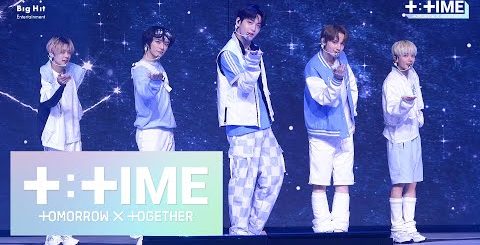
LO$ER=LO♡ER by TOMORROW X TOGETHER Lyrics Meaning – Unmasking the Duality of Love and Loss in K-Pop
Lyrics
Ayy, oh, yeah, yeah
회색빛 차를 타고
달아나고 있어
빌어먹을 세상 너머 (ah, ah)
네 손을 잡은 내 손
상처뿐이지만
It doesn’t matter when I’m with you
이길 수 없던 fighting, bleeding, losing 이젠 지쳤어
가질 수 없다면 I fuckin’ keep it low
Crying, crying, crying 이젠 집어쳐
Love you, love you, love you
No matter what I do
I say “run”
미친 듯 크게 웃어줘
눈물은 이제 good bye, time to say
“Run” 절대 뒤돌아보지 마
두 손엔 hunnit bands
I’m a loser
I’m a loser (oh, oh), I’m a loser (oh, oh)
Lover with a dollar sign
Is a loser
I’m a lover (oh, oh), I’m a lover (oh, oh)
Lover with a dollar sign
Is a loser
전쟁 같은 life
지기만 했었던 나
넌 내 구원이었어
No doubt, no doubt, no doubt
벼랑 끝에서
너의 빛이 나를 이끌어
Making me a winner
So right, so right, so right
밑바닥에서 crawling, fighting, bleeding 이젠 지쳤어
거절하겠다면 I fuckin’ take it all
Crying, crying, crying 이젠 집어쳐
Love you, love you, love you
No matter what I do
I say “run”
미친 듯 크게 웃어줘
눈물은 이제 good bye, time to say
“Run” 절대 뒤돌아보지 마
두 손엔 hunnit bands
I’m a loser
I’m a loser (oh, oh), I’m a loser (oh, oh)
Lover with a dollar sign
Is a loser
I’m a lover (oh, oh), I’m a lover (oh, oh)
Lover with a dollar sign
Is a loser
뛰어내려 from this highway (way, way)
펼친 채 부러진 날개
영원을 향해 flyin’
안간힘 써봐도 추락해
너와 함께라면
추락도 아름다워
하늘의 반대편으로
기꺼이 나 가라앉아
그저 서로를 안아줬으면 해
내 어설픈 비행 끝날 때쯤엔
모두가 날 비웃어도 I don’t care
가라앉고 싶어 너의 바다에
I say “run”
미친 듯 크게 웃어줘
눈물은 이제 good bye, time to say
“Run” 절대 뒤돌아보지 마
두 손엔 hunnit bands
I’m a loser
I’m a loser (oh, oh), I’m a loser (oh, oh)
Lover with a dollar sign
Is a loser
I’m a lover (oh, oh), I’m a lover (oh, oh)
Lover with a dollar sign
Is a loser
In the ether of K-Pop’s electric dreamscape, TOMORROW X TOGETHER (TXT) emerges as the narrator of a generation gripping onto love and identity amidst chaos. Their track ‘LO$ER=LO♡ER’ presents a sonic palette that’s not just an earworm, but a complex portrait of youthful defiance.
The song’s title itself, a fusion of the words ‘loser’ and ‘lover’ with the dual symbols of the dollar and heart, sets the stage for a deep dive into the vagaries of today’s societal struggles and the inherent contradictions of the haves and have-nots. This analysis aims to peel back the layers of TXT’s lyrical craftsmanship and deliver understanding in a world where the superficial often obscures the profundity.
The Pursuit of Freedom in a Monochrome World
Driving through the opening stanza in a ‘grey car,’ TXT paints a picture of escapism. This isn’t just about running away; it’s a pursuit of something beyond the ‘damned world.’ This theme resonates with a generation often feeling trapped by societal pressures, searching for an elusive sense of liberation.
Even as the world blurs past them, the grip on a loved one’s hand evokes a vision of intimacy in the superficiality of materialism. They claim indifference to their scars; in this moment of unity, nothing else matters, encapsulating the raw and reckless abandon of young love.
The Anthem of the Disenfranchised
‘I’m a loser,’ they chant, a phrase that echoes the sentiments of those who’ve felt left behind by a world that glorifies winners. However, by pairing ‘loser’ with ‘lover,’ TXT transforms would-be resignation into a badge of honor. They assert that one’s value isn’t defined by material success but by the capacity to love authentically.
The song ridicules the relentless chase for societal validation. ‘Lover with a dollar sign,’ they sneer, exposing the futility of measuring self-worth through wealth or status. It’s a declaration that they would rather be losers in a world defined by materialism than betray their true selves.
Unfurling the Currency of Emotions
Throughout the song, TXT uses the ‘dollar sign’ as a leitmotif, contrasting against the ‘heart.’ It isn’t just a lyrical flourish; it illustrates the inseparable link between love and finance in modern society. This juxtaposition forces us to question the way we prioritize what we chase with fervor—money or meaning.
Their declaration ‘I’m a loser, lover with a dollar sign’ is simultaneously a cry of vulnerability and an insurrection against the transactional nature of contemporary relationships. TXT invites listeners to consider: what cost does love bear when success is monetized?
Memorable Lines: The Heart’s Rebellion
‘I say
The Hidden Poetry of Descent
‘I don’t care if everyone laughs at me,’ TXT confides in the song’s bridge, ready to sink into ‘your ocean.’ It is a poignant metaphor of willing vulnerability, sacrificing oneself for the allure of that which is worthwhile—their love. This imagery of falling, not from defeat but from chosen descent, writes a love letter to the act of surrendering for love’s sake.
The song is more than its melody or its infectious beat—it’s a poetic defiance. TXT frames a story where falling, typically associated with failure, becomes an emblem of beauty. They narrate a journey where crashing with broken wings is not a tragic end, but a courageous act done alongside someone precious, embracing the fall as a flight in itself.