Miami by Taking Back Sunday Lyrics Meaning – Unpacking the Emotional Journey
Lyrics
Stop me if you’ve heard this one before
The whole truth is nothing but a good excuse
So long as you don’t torture me with my past
Let’s be honest; a secret silenced is a secret safe
Miami, Miami, Miami
Well every hour on the hour
(Every hour on the hour)
You have to, you just have to trust me
Whoever I was then,
I can’t ever be again
Reminders, they are not reluctant
So stop me if you’ve heard this one before
Sideways blinders,
I can’t find a way (around a way) around
Miami, Miami, Miami
Well every hour on the hour
You have to, you just have to trust me
Whoever I was then,
I can’t ever be again
The faith you found I never felt (never felt)
The terror held in wedding bells
And comfort in there’s no one else
The truth be told I’m never gonna know
Miami Miami Miami
Well every hour on the hour (every hour on the hour)
Unhand me, God damn me, Miami
Whoever I was then I can’t ever be again
The faith you found I never felt (never felt)
The terror held in wedding bells
The comfort in there’s no one else
The truth be told I’m never gonna know
The terror held in wedding bells
The comfort in there’s no one else
The truth be told I’m never gonna know
Within the rich tapestry of modern rock music, Taking Back Sunday stands tall with songs that encapsulate the angst and fervor of a generation. ‘Miami’ strikes a distinctive chord, intertwining melodic harmonies with mysteriously cryptic lyrics that are ripe for an introspective dive.
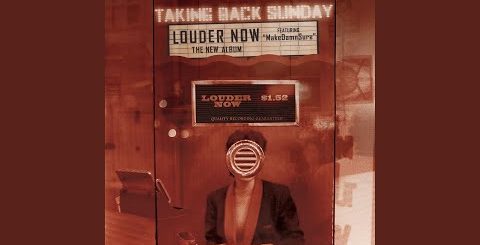
This track from their third studio album, ‘Louder Now,’ may not have been the band’s most commercially celebrated single, but it has increasingly become a song that has sparked the collective curiosity of fans and critics alike. Let’s unravel the threads of narrative woven into the fabric of ‘Miami.’
A Confessional Prologue: Truth, Excuses, and Secrets
The opening lines of ‘Miami’ immediately plunge the listener into a confessional diatribe, blending the universal themes of truth and dishonesty. The narrator’s plea to avert the rehashing of bygone tales signifies a desperate yearning to move beyond a past that is fraught with pain and regret.
Contrary to presenting a black-and-white portrayal of truth, the lyrics cleverly hint at the complexity of honesty, suggesting that truths are often marred by excuses, and that some secrets are better off kept in the shadows for the sake of preservation.
Escape to ‘Miami’: Geographic Euphemism or Emotional Exile?
The chorus evokes the city of Miami as a recurring motif, with every hour marked by the need for trust. This geographical reference might suggest a literal escape to a place promising resuscitation from a suffocating past. It’s plausible to infer a dual meaning — Miami as a sanctuary of reinvention, a siren’s call to a new identity free from the shackles of history.
Alternatively, Miami represents a state of mind, a mental demarcation line where the narrator emphatically disowns their former self, seeking asylum in the present, and requesting trust in the metamorphosis.
The Unyielding Past: ‘Reminders, they are not reluctant’
Equally poignant are the lines that speak to the omnipresence of the past, manifesting as ‘reminders’ that offer no respite. It conveys the nagging persistence of memories that refuse to be obscured, posing as obstacles in the path to self-reinvention and peace.
Even as the protagonist seeks to slip away from former realities, ‘sideways blinders’ are insufficient tools in the battle against the inescapable. These lines haunt with the inevitability of confrontation with what was once known.
The Captivating Paradox: ‘The terror held in wedding bells’
Taking Back Sunday is no stranger to embedding profound juxtaposition within its lyrics. Consider the emotive dichotomy between ‘the terror held in wedding bells’ and ‘the comfort in there’s no one else.’ Here, the quintessential symbol of union, the wedding bell, is presented as an object of terror, suggesting a fear of commitment or the doom of failed relationships.
Simultaneously, a forlorn sense of solitude is presented as comforting; recognizing that in the absence of others, perhaps there is a bitter-sweet relief in loneliness. It provocatively places the listener between the dreadful permanence of commitment and the isolating assurance of solitude.
The Chronicles of Self: ‘Whoever I was then, I can’t ever be again’
The poignant refrain, ‘Whoever I was then, I can’t ever be again,’ serves as a recurring admission and a resonant declaration of self-affirmation. It embodies the struggle to forge a self-identity anew while acknowledging the irrevocability of change that time and events have etched onto the soul.
Evocative and uncomplicated, this line mirrors a universal human experience—that of personal evolution, and the inevitable distance that grows between who we were and who we are becoming. Taking Back Sunday captures this existential metamorphosis with the raw gravitas it deserves.