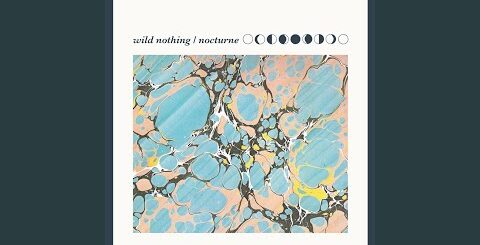
Midnight Song by Wild Nothing Lyrics Meaning – Unraveling the Nocturnal Serenade
Lyrics
End the way you’re my burning??
And I can feel your heart
I’ve been gone??
I can release these signs
You won’t hear
You won’t know
You won’t ever know
Your heart
It was falling from the start?
Though I try
I was always dead inside
The midnight song
Sing you to the moon
I am your quiet night
You were gone too soon
And I can feel your heart
I’ve been gone?
I can released these signs
You won’t heart
You won’t know
In the stillness of the night, when reflections grow unbidden and thoughts cascade unabated, there lies a treasure trove of lyrical contemplation in Wild Nothing’s ‘Midnight Song.’ This track, a gossamer weave of dream-pop threads, offers listeners a shimmering soundscape to explore the intimate corners of introspection and unrequited sentiments.
The song’s haunting melody and ethereal instruments serve as a backdrop to a narrative of lost connections and inner turmoil. With lyrics that elegantly slip through the veil of consciousness, ‘Midnight Song’ touches on themes of distance, understanding, and the ineffable nature of a wandering heart.
A Nocturne of Unspoken Emotion
The opening stanza of ‘Midnight Song’ evokes a sense of yearning, with the speaker acknowledging a presence that looms large within their mind. The poetic inquiry—’You’re in my head at times?’—opens a dialogue with the elusive, emphasizing the transient yet impactful nature of thoughts that refuse to be quieted. It’s a line that echoes within the skull, a nuanced admission of unresolved feelings lingering just beneath the surface.
As the lyrics unfold, the listener is drawn into a world of half-whispers and faded imagery, where unanswered questions like ‘I couldn’t end the way you’re my burning?’ leave us grappling with the raw edges of a story untold. The emotional ambiguity is further enunciated by the hesitancy in the phrasing, mirroring the innate human discomfort with not fully understanding one’s own emotions, much less articulating them.
The Heart’s Silent Symphony
Wild Nothing meticulously sculpts the motif of the heart as a silent protagonist in this narrative, suggesting a deep alignment with emotions that escape verbal expression. ‘And I can feel your heart, I’ve been gone?’ speaks to this transcendental connection between two entities separated in space, yet indelibly intertwined. The heart is both the instrument and the witness, a pulsing testament to the ties that bind, and, paradoxically, to the gaps that grow wider with time.
The refrain of the heart’s sensations provides a powerful contrast to the overwhelming silence that permeates the exchange—’I can release these signs, You won’t hear, You won’t know, You won’t ever know.’ Here, the futility of communicating the incommunicable is palpable, a wall of misunderstanding that stands as tall as it is imperceptible—an untreated wound in the canvas of the song’s mesmerizing lament.
Dead Inside but Dreaming
The line ‘Though I try, I was always dead inside’ is a stark admission of internal void. This line embodies the delicate dance between trying to feel and the acknowledgment of a numbed inner world that seems to withstand such attempts. The protagonist is shadowboxing with their own emotional stasis, evoking a sense of depth and despair that resonates with anyone who has ever felt disconnected from their own heart.
Yet, in this confession, there’s also a wistful poetry—a profound sense of beauty in articulating one’s emotional paralysis. ‘Your heart, It was falling from the start?’ suggests a preordained disunion, a cosmic mismatch that was evident even before the lyrics articulated the inevitable descent.
The Lullaby That Pierces the Night
‘The midnight song, Sing you to the moon, I am your quiet night, You were gone too soon’ serves as the spectral chorus that defines the essence of the piece. It is a serenade to the absent, a lullaby for the longing—a musical bridge across the chasm of silence. The moon, historically a symbol for the unattainable, reflects the unreachable nature of the object of affection.
There’s a profound solitude in these lines, as if the singer has become a nocturnal guardian of a memory. They embody the quiet night, enveloping the listener in a soft melancholy, acknowledging the transient nature of human connection. The personified night sings, but the song is ridden with the sorrow of premature departure, the echo of ‘gone too soon’ lingering long after the final chords fade.
The Resonance of Loss in Eloquent Silence
As the song winds to a gentle close, the sentiments distilled within the lyrics are wrapped in a cloak of silent eloquence. ‘And I can feel your heart, I’ve been gone? I can release these signs, You won’t hear, You won’t know’—these lines resurface and repeat, echoing the forlorn refrain that has underpinned the entire piece. There is a cyclical nature to the song, a return to the unsaid, suggesting perhaps that the act of feeling and the challenge of releasing those feelings will perpetually be out of sync.
The notion that the dearest emotions often remain unspoken or unheard is a haunting reminder of the universal human experience of loss, whether it be of love, connection, or understanding. In the silence and the poetry of ‘Midnight Song,’ Wild Nothing intersperses melancholy with melody, crafting a hauntingly beautiful ode to the secret symphonies that play endlessly in the theater of the human soul.