Mushroom by Can Lyrics Meaning – Unveiling the Psychedelic Prophesy in Music
Lyrics
What I saw – mushroom head
What I saw – mushroom head
I was born and I was dead
I was born and I was dead
What I saw – mushroom head
What I saw – mushroom head
What I saw – mushroom head
I was born and I was dead
I was born and I was dead
I go back in my despair
I go back in my despair
I go back in my despair
What I saw – skies are red
What I saw – skies are red
What I saw – skies are red
I was born and I was
I was born and I was dead
What I saw – mushroom head
What I saw – mushroom head
What I saw – mushroom head
I was born and I was dead
I was born and I was dead (etc)
I go back in my despair
I go back in my despair
I go back in my despair
I go back in my despair
What I saw – mushroom head
What I saw – mushroom head
What I saw – mushroom head
I was born and I was dead
I was born and I was dead (etc)
Dead, dead, dead, dead, dead, dead
Dead, dead, dead, dead, dead
Dead, dead, dead, dead, dead
Dead, dead, dead, dead, dead, dead, dead, dead
Dead, dead, dead, dead, dead, dead, dead, dead
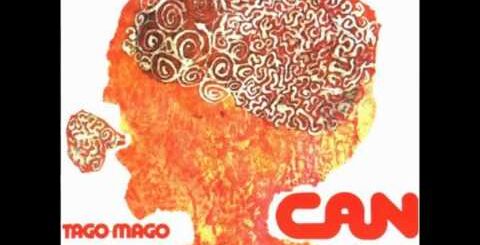
Seldom does a piece of music cut through the fabric of reality, challenging listeners to decipher its enigmatic cloak of repetition and minimalism. Can’s ‘Mushroom,’ a track from their critically acclaimed 1971 album ‘Tago Mago,’ serves as a beacon of the avant-garde, melding psychedelic rock with an existential crisis that bleeds through its cryptic lyrics.
Repeated mantras and a haunting refrain sketch an opaque picture where interpretations are as varied as the listeners themselves. The song beckons a deep dive into the whirlpool of its meaning, swirling with ideas of birth, death, and the cyclical nature of despair in just a few lines that echo in perpetuity.
The Metaphorical Hallucination: Mushroom as a Symbol
Mushrooms, in the literal sense, are fungi that can symbolize growth, decay, and the natural cycle of life. Yet, when thrust under Can’s psychedelic lens, they become an allegory for a mind-expanding experience – perhaps a nod to the ‘mushroom head,’ hinting at the use of psychedelics to alter consciousness.
In the era of ‘Tago Mago,’ the role of psychedelics was prevalent in forging new paths in music and self-awareness. ‘Mushroom’ could very well be a commentary on this cultural moment, encapsulating the sensation of being reborn into an altered state, only to confront the inevitability of mortality amidst the high.
A Paradoxical Mantra: Birth and Death Entwined
The lines ‘I was born and I was dead’ resonate with the cyclical and oxymoronic nature of existence. Within these words rests a profound paradox that seems to mirror the Buddhist concepts of rebirth and the comprehension that in each moment of living, we inch closer to death.
There is an acceptance of the impermanence of life embedded within the lyrics. By confronting listeners with the repetition of ‘born’ and ‘dead,’ the song perpetuates the idea that each beginning inherently contains its demise, calling for a contemplation of the transient nature of existence itself.
Despair in Repetition: A Dive into the Psyche
The recurring phrase ‘I go back in my despair’ seems to dance with the idea of human routine and the desire to break free from the chains of mundanity. Despair in this context could represent the struggle to find meaning in the repetitive cycles we find ourselves in – a reflection on the Sisyphean task of daily existence.
Through these words, Can might be articulating the human condition – the inevitability of returning to a state of despair regardless of life’s intermittent joys. There’s an inherent bleakness to the idea that no matter what we witness or experience, including the profound, we are bound to retreat into despair.
The Colors of the End: Red Skies and Finality
The shift in the lyrics from ‘mushroom head’ to ‘skies are red’ introduces a new layer of depth. Red skies could be emblematic of beauty and awe, but also carry traditional connotations of warning and looming disaster.
This transformation in the words may serve to express the duality of life’s climax moments – those often filled with both intense beauty and underlying dread. It poses the question of whether awareness of our finite nature colors our existence with inevitable foreboding.
Echoes of Mortality: The Lingering ‘Dead’ Refrain
As the song closes with the repeated stern declaration ‘Dead, dead, dead,’ listeners are left to sit with the stark reality of the word. This haunting termination lays bare the most fundamental human anxiety – the ultimate silence that is death.
Here, Can is not just invoking death as an end but using it to emphasize the living moments that precede it. By confronting this fear head-on through relentless repetition, the band may be suggesting that there is a form of power and liberation in recognizing and accepting mortality.