Nephilim by Katatonia Lyrics Meaning – Deciphering the Apocalypse Through Melancholic Melodies
Lyrics
He has come
To take your son
Listen
How he strides the earth
When only animals are awake
When the shattering of ideals begin
God of ruin
Will come to you
Loving mother
He has come
To take your son
Loving mother
He has come
To take your son
Fallen
From the faded sky
Nephilim comes through foul air
And when morals will decline
God of ruin
Will come to you
Lalalalalala lalala lalalalalalala lalala
Loving mother
He has come
To take your son
Loving mother
He has come
To take your son
In a world where music often mirrors the chaos and catharsis of human emotion, Katatonia’s ‘Nephilim’ stands as a haunting testament to the Swedish band’s mastery of darkly poetic soundscapes. There is a certain enigma to its lyrics that beckons listeners into a realm of somber reflection—a lyrical dissection of a civilisation at the brink, perhaps, and a look into the mythological and the divine.
The term ‘Nephilim’ itself evokes the mystical and the arcane, originally referring to the offspring of ‘the sons of God’ and the ‘daughters of men’ in ancient texts. This cryptic choice of title is our first clue into a song deep with allegory and an undercurrent of foreboding. In exploring the meaning behind Katatonia’s enigmatic tune, one can’t help but delve into themes of ruin, warning, and the maternal instinct juxtaposed against the backdrop of an impending doom.
The Maternal Cry in a World on the Edge
From the very outset, ‘Nephilim’ strikes a chord with its reference to a ‘loving mother.’ This immediately humanizes the song, injecting a deep-seated emotional appeal that’s universally relatable. It’s the visceral fear of every parent distilled into song— the threat of having one’s child taken. Though it doesn’t specify who this child is or why he’s so coveted, the use of this theme suggests an overarching vulnerability and the loss of innocence.
In this maternal figure, we find both the vulnerability and strength of human connection. There is, however, a potent unease—a knowledge that despite her love and protection, forces beyond her control are orchestrating events informed by a grander, possibly malevolent design.
Striding Earth: The Menacing Presence of the Nephilim
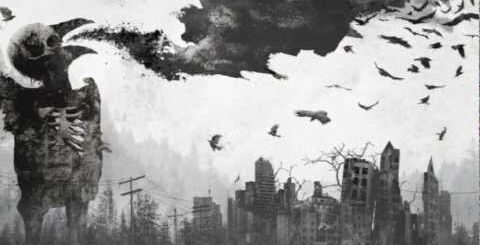
The song paints the Nephilim, not as benign spiritual beings, but as imposing, even dangerous entities ‘striding the earth’. It is suggested that their awakening coincides with the quiet hours of the animal kingdom—perhaps a time when human guard is down, underscoring a sense of vulnerability and dread.
The juxtaposition of this imposing figure against a sky from which morals decline furthers the sense of an impending doom. The ‘foul air’ through which the Nephilim enters could symbolize a corruption of the pure, a perversion of what was once heavenly, now descending upon a world that has lost its way.
The Shattering of Ideals: A Commentary on Morality
The ‘shattering of ideals’ and decline of morals paint a picture of a society in disintegration, making it seem as if the arrival of the God of ruin is an inevitable consequence. There’s an implication that our own actions, or lack thereof, have paved the way for this ruin.
This layer of meaning can be interpreted as a poignant commentary on the state of the world—our ideals and moral structures are fragile and can be easily broken down by the relentless passage of time and the erosion of societal values. It is as much an introspection on the part of humanity as it is a mythical portrayal of punishment and reckoning.
God of Ruin: Unraveling the Hidden Meaning
The repeated phrase ‘God of ruin’ is chilling in its ambiguity. It raises questions regarding the nature of the deity invoked—is this a figure bringing justice or one that revels in destruction? There’s a cunning allusion here, as ‘God of ruin’ could represent forces beyond human comprehension, manifesting as a wake-up call to society’s ills through a figure of ultimate and ruinous power.
Perhaps the ‘loving mother’ is more than an individual but symbolizes mother earth or even humanity itself, and her ‘son’—the children of human endeavor and progress, now in peril due to our collective transgressions. Katatonia might be hinting at the idea that we ourselves have become the architects of our downfall.
Manifestations in Melody: The Song’s Most Memorable Lines
The refrain of ‘Loving mother’ etches itself into memory, casting an echo of vulnerability and stoic sorrow. Its repetition serves to reinforce the gravity of the situation, a looming threat that remains throughout the song.
The lullaby-like interlude of ‘Lalalala…’ could be perceived as a juxtaposition—offering a false sense of tranquility in a song pervaded by tension and forewarning. It’s a melodic device that lulls the listener into a haunting calm before thrusting them back into the reality of the song’s somber narrative.