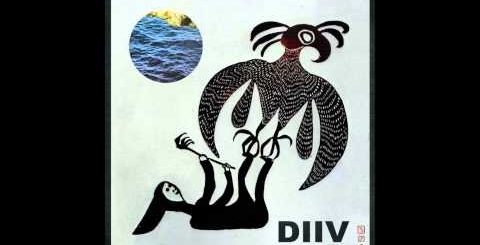
Out Of Mind by DIIV Lyrics Meaning – The Haunting Elegy of Lost Love
Lyrics
But everything I should do just comes so easily to you
You had me first, our shadow thirst
When roles reverse my mind rewinds and I see you
I’m out of signs at the end of the line
But I’ll be fine when it’s time I’ll know what to do
The world was mine but I’m too blind
I’ll stay behind and choose which scrap to start anew
I’m out of sight, out of mind, I’m out of sight, out of mind
When DIIV released ‘Out of Mind,’ listeners were effortlessly swept up into its dreamy post-punk soundscape. The track, a single from their critically acclaimed album ‘Is the Is Are’, serves as a vessel for deeper reflection beneath its shimmering surface.
Beyond the enthralling melody lies a narrative of introspection, nostalgia, and the inner turmoil of moving forward. But what is it about this song that captures the essence of the human condition so distinctly? Let’s dive into the layers that constitute ‘Out of Mind’s lyrical journey.
A Dive into the Ocean of Nostalgia
The song kicks off with a notion of invisibility, ‘Yeah, out of sight and out of mind,’ immediately setting the tone for a discourse on neglect and forgetfulness. It’s a universal feeling, one that connects on a level that is both personal and widely relatable. The song taps into the haunting void that is left behind when something—or someone—once pivotal to our existence slowly fades from our everyday reality.
But DIIV doesn’t just leave us adrift in this sea of forgotten memories. There’s a poignant acknowledgment of the disparity between individuals as the lyric ‘everything I should do just comes so easily to you’ resonates with the frustration of observing someone else seamlessly moving forward while you struggle in their wake.
The Lingering Shadow of Past Love
‘You had me first, our shadow thirst’ references a primordial connection, one that has left an indelible mark on the narrator’s soul. The notion of shadow harkens back to something that was once vibrant and full of life but is now merely an outline of its former self—a ghost of affections that once were.
DIIV then conjures the reversal of roles and the backward surge of time in ‘When roles reverse my mind rewinds and I see you,’ which suggests a reluctant but inevitable contemplation of the past, perhaps one that grows more frequent and vivid as the present fails to hold the same allure.
The Search for Resurrection in Ruin
In the heart of the song, DIIV lays bare the painful realization of missed opportunities and lost potential with ‘The world was mine but I’m too blind.’ It’s an admittance of personal failing—the inability to see what was always within reach—and now the prospect of reclaiming that world seems daunting, an exercise in futility.
Yet ‘I’ll stay behind and choose which scrap to start anew’ serves as a declaration of hope, as the protagonist is not completely surrendered to despair. There’s this idea that from the relics of what once was, a new beginning is not just possible, but imminent, signaling a resilience that underlies the lamentation.
Unveiling the Song’s Hidden Heartbeat
There is an underlying heartbeat in this track that reverberates with the theme of duality—visibility vs invisibility, struggle vs ease, past vs present. The repetitive, almost meditative delivery of ‘I’m out of sight, out of mind’ sounds like a mantra, echoing the reconciliation between what’s desired and what’s obtained.
‘Out of Mind’ is as layered sonically as it is lyrically, and listeners are invited to explore the rich, hidden depths of their own experiences through its hypnotic repetition. It’s in the spaces between the words where the true meaning of DIIV’s song pulsates, aching to be understood.
Memorable Lines Carve Deep
Every line in ‘Out of Mind’ is carefully crafted to linger in memory, but the recurring ‘I’m out of sight, out of mind’ succinctly encapsulates the song’s essence. It’s a line that hits home, a reflection of our deepest fear of being inconsequential—an existential whisper that what and who we once held dear can and will move on without us.
And yet, therein lies the song’s stroke of brilliance—it manages to convey an intense longing and detachment in the span of a few words, all while leading the listener through the jagged path of acceptance, piercing through to a universal vulnerability.