SONG MEANINGS (AND FACTS) Since 2017, The Song Meanings and Facts Team have told the stories behind the songs you love. Stay with us on our endless journey to the heart of music understanding and knowledge.
Within the pantheon of covers that breathe new life into classic tracks, The Slits’ rendition of ‘I Heard It Through The Grapevine’ stands as a testament to the transformative power of punk’s defiant energy. The original iteration, etched into the soul-music canon by Marvin Gaye, relayed the heartache of rumors and infidelity with a smooth, simmering gravitas. However, when the all-female punk outfit The Slits embraced the track, they repackaged it with a raw exuberance that recontextualized the sorrowful lament. Their version peels back layers of pain, instead revealing a rough, assertive declaration of self-awareness and emotional autonomy.
The realm of music is a trove of cryptic messages and hidden emotions, and Dean Blunt’s ‘Lush’ stands distinctly as an archetypal mosaic of the esoteric. The melody may soothe your senses, but it’s the words that pull you beneath the surface. As we venture deeper into the lyrical consciousness of Blunt’s work, we find a tale not so simple, drenched in the haze of ambivalent connections and the quiet turmoil of detachment.
Every so often, a song arises from the ether of music’s vast canon that encapsulates more than just a catchy hook or a hummable melody. Fishmans’ ‘Long Season’ transcends its own runtime to become a meditative exploration into the ephemeral moments that bind us together. In mapping out its lyrical contours, we are taken on a back road journey through memory and mood, set against the neon-lit expanse of Tokyo.
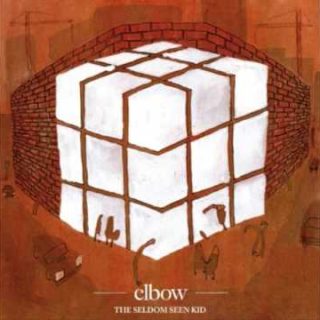
The British alternative rock band Elbow has been known for their poetic craftsmanship and profound lyrical musings. Their track ‘Starlings,’ from the hauntingly beautiful album ‘The Seldom Seen Kid,’ is no exception. At first listen, one might be swept away by its symphonic swells and Guy Garvey’s evocative croon. However, delving deeper into its lyrics, there emerges a multi-layered tapestry of unrequited love, self-reflection, and emotional yearning.
Patti Smith’s ‘Gloria’ is more than just a cover of a rock classic; it’s a fierce proclamation of independence and raw humanity. With its gritty blend of proto-punk edge and poetic sensibilities, Smith took Them’s garage rock hit and imbued it with her distinctive brand of spiritual and sexual liberation.
In the pantheon of electronic masterpieces, Chicane’s ‘Saltwater’ holds a special place as a trance anthem that transcends time and continues to resonate with audiences around the globe. Born from the depths of Nick Bracegirdle’s musical genius, ‘Saltwater’ is more than just a euphonic journey; it’s an introspective voyage through emotion and memory, an ode to the sea, and a testament to the universal language of music.
In the vast ocean of Ellie Goulding’s discography, ‘Atlantis’ emerges as a song that resonates with the heartache of disappearance and the enigmatic journey of love. It is an exploration of longing and the relentless pursuit of a memory that refuses to fade away.
Eliza Doolittle’s ‘Skinny Genes’ strums the heartstrings with a deceptively jaunty melody that belies the tug-of-war between contentious interaction and undeniable attraction. At once sassy and sweet, the track is an anthemic rendering of the ups and downs of a relationship consumed by fire and ice.
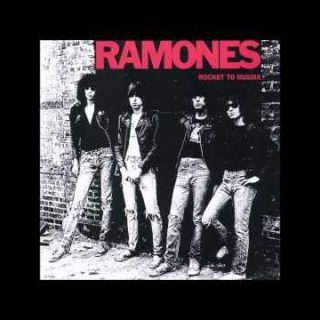
The Ramones, a band that pioneered punk rock, were well known for their blistering beats and razor-sharp lyrics. Among their arsenal of anti-anthems is the deceptively titled track ‘We’re a Happy Family.’ Beneath its sing-along chorus lies a bedrock of biting satire, painting a picture of familial dysfunction and societal hypocrisy.
Frank Zappa, the master of surreal musical landscapes, serves up a frosty tale with a twist in ‘Don’t Eat the Yellow Snow.’ At first glance, the song seems to offer straightforward, if odd, advice against consuming discolored snow. But beneath the icy surface lies a deeper, more intricate satire—one that captures Zappa’s notorious penchant for layered meanings and absurdist humor.