SONG MEANINGS (AND FACTS) Since 2017, The Song Meanings and Facts Team have told the stories behind the songs you love. Stay with us on our endless journey to the heart of music understanding and knowledge.
Ensiferum’s ‘Treacherous Gods’ is a tour de force of melodic metal, brimming with elements of mythology and a fierce battle against existential forces. This song, hailing from their self-titled debut album released in 2001, has captivated fans with its intricate blend of Viking-themed lore and sonic grandeur. To understand its profound meaning, we must delve into the icy realms and the poetic force within its lyrics.
Amidst vibrant synths and infectious melodies, LIL UZI VERT’s ‘Demon High’ takes listeners on an enigmatic journey through personal strife and introspection. Released as part of his rich and variegated discography, ‘Demon High’ manifests an exploration of the hardships of letting go, the struggle with inner demons, and the intoxicating lure of love and trust.
Within the multifaceted tapestry of rock, few songs resonate with the existential echo quite like The Killers’ ‘Why Do I Keep Counting?’ Plucked from their 2006 offering ‘Sam’s Town’, this track serves as a crucial artery in the band’s lifeblood, throbbing with introspection and angst amidst grand musical landscapes. The song weaves its vocals and instrumentals into a rich, emotive fabric that beckons listeners to unravel its deeply personal yet universally relatable questions.
Florence + the Machine, spearheaded by the resplendent Florence Welch, has a knack for draping raw emotions in the raiment of poetic lyricism and lush melodies. ‘Hiding’ is no different—a haunting track that delves deep into the themes of vulnerability, self-protection, and the silent battles fought behind closed doors.
When ZZ Top unleashed ‘Legs’ upon the soundtrack of the 1980s, the Texas trio didn’t just drop a catchphrase into the neon-drenched lexicon of rock; they sketched a character full of sass, mystery, and undiluted confidence. ‘Legs’ is not just a surface-level anthem of physical admiration but a complex ode to the power of self-assurance and the innate strength of the feminine aura.
In a whirlwind of punk-infused synth-pop, Metric’s ‘IOU’ masterfully stirs the pot of societal critique and personal introspection. This track, a standout from their acclaimed album ‘Old World Underground, Where Are You Now?’, serves as a time capsule that encapsulates the essence of early aughts sounds while delivering a resonance that is arguably more relevant in today’s tumultuous social landscape.
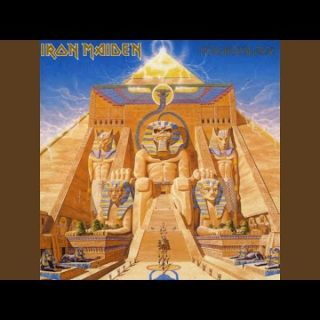
Iron Maiden’s ‘Back in the Village,’ a track from their 1984 album ‘Powerslave,’ is a sonic enigma—a multilayered narrative woven with imagery alluding both to the personal and the political. The band, known for their rich storytelling and compelling musicianship, has created a song that continues to provoke analysis and debate among fans and critics alike.
Cardi B’s ‘Get Up 10’ is an anthem of survival and tenacity. Like a phoenix rising from the ashes, the Bronx-born rapper unfurls her life narrative — transforming every obstacle into a stepping stone toward her grand ascendancy. This track isn’t simply a song; it’s a pulsating manifesto of triumph, echoing the gritty reality that Cardi has navigated.
Maggie Lindemann’s track ‘Scissorhands’ serves as a poignant reflection of internal conflict and the daunting challenge of self-acceptance. At first glance, the song spins a narrative rich with metaphorical imagery that seems to resonate with themes of isolation and the fear of intimacy. Lindemann, known for her emotive vocals and intricate storytelling, peels back the layers of her personal journey through this stirring ballad.
IZA, an emblematic figure in contemporary Brazilian music, weaves a narrative of pride, defiance, and cultural splendor in the song ‘Gueto’. At its core, the track is an anthem of empowerment that rings out for the favelas of Brazil, delivering a saga of struggle, celebration, and self-assuredness. Through a cadence that evokes the bursting life of the streets, IZA captures the essence of identity that is inexplicably intertwined with the gueto, or ghettos.