SONG MEANINGS (AND FACTS) Since 2017, The Song Meanings and Facts Team have told the stories behind the songs you love. Stay with us on our endless journey to the heart of music understanding and knowledge.
Marilyn Manson has always been a master at weaving dark themes with thought-provoking provocation, and his cover of ‘Personal Jesus’ is no exception. The song, originally penned by Depeche Mode, was given a gothic-industrial twist by Manson, bringing new depth to its brooding introspection. What emerges is not just a sonic transformation, but a profound commentary on the nature of faith and the need for connection in the modern world.
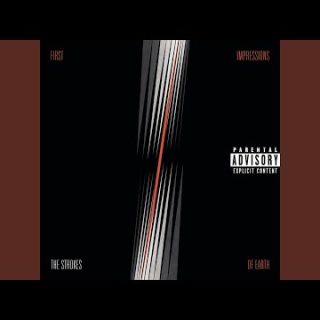
At the heart of The Strokes’ raw, guitar-driven repose lies ‘Ize of the World,’ a track that serves as both a sonic bullet train and a profound vessel for social critique. With Julian Casablancas’ signature drawl, the song pirouettes through the complexities of contemporary existence, casting a cynical yet insightful gaze at the world.
Amidst the throbbing heart of Brazilian rock music, one song emerges as an anthem for the wounded, the overlooked, and the resilient. ‘Na Sua Estante,’ a remarkable piece penned by the prolific artist Pitty, is more than just a melody; it is a raw, unfiltered odyssey through pain, self-discovery, and the quiet strength that comes from letting go.
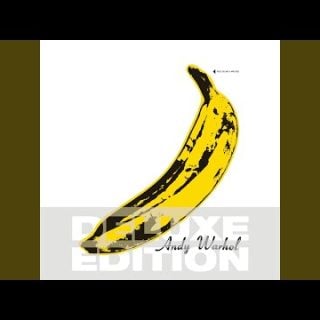
All Tomorrow’s Parties’ haunting melody and pensive lyrics capture the essence of an era while painting a vivid picture of disillusionment. Like many of the Velvet Underground’s works, this song is a mosaic of societal observation woven through the loom of music that was well ahead of its time.
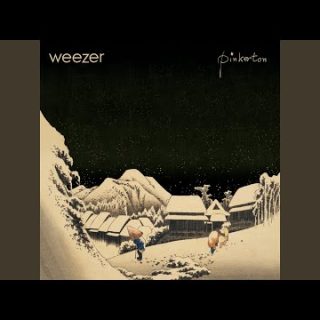
In the pantheon of Weezer’s gritty discography, the song ‘Tired of Sex’ stands out not just for its raw sound but for the stark frankness of its lyrics. The track, hailing from their seminal album ‘Pinkerton,’ is often disguised by its crunchy guitars and explosive energy, leaving listeners thrumming to its melody. But to distill ‘Tired of Sex’ to just its musicality is to overlook the poignant narrative that Rivers Cuomo, frontman of Weezer, embeds within the lyrics—a meditation on sexual satiation versus emotional fulfillment.
Bryson Potts, better known as NLE Choppa, injects his listeners with an adrenaline rush of verses in ‘Camelot’, a fiercely raw track that lays bare the life, laws, and instincts of street survival. Through the lens of hip-hop authenticity, Choppa doesn’t just rap; he boasts, threatens, and dances atop a beat that marches like an army into battle. It’s a song of territorial pride and an unapologetic show of strength.
Mitski’s ‘I don’t smoke’ is less a ballad and more a haunting reverie that delves into the complexities of love, dependency, and heartbreak. Stripped to its core, the song is a raw, emotional narrative that finds solace in the shadows of a love that burns bright but at a cost.
Nicki Minaj’s ‘Barbie Dreams’ is a bold, colorful mosaic of shout-outs, name-drops, and lyrical winks which unfurls as an audacious and amusing parody of the rap industry’s male egos and romantic fantasies. By flipping the script on rap’s notorious reputation for sexual braggadocio, Minaj claims her space in a genre often dominated by male voices.
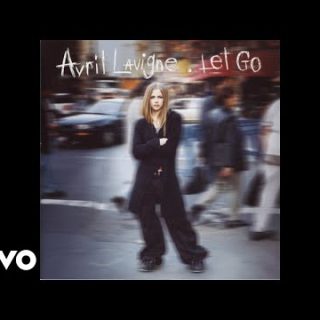
Avril Lavigne’s ‘Things I’ll Never Say’, from her debut album ‘Let Go’, threads a delicate narrative of yearning and unspoken emotion with the same intensity and rawness that characterized the anthem of teenage angst that engraved her name in the annals of music history. With its heartfelt lyrics and emotive delivery, the song captures the internal tug-of-war between the desire to express oneself and the fear of vulnerability.
Cascada’s 2009 hit ‘Evacuate The Dancefloor’ is more than a pulsating call to party; it’s a zeitgeist of late 2000s dance culture that seemingly implores club-goers to abandon reason in favor of rhythmic intoxication. The thumping beat and infectious chorus symbolize a universal language that breaks down barriers and unites bodies in the collective trance of dance.