Panis et circenses by Os Mutantes Lyrics Meaning: The Psychedelic Protest Behind the Melody
- Music Video
- Lyrics
-
Song Meaning
- Decoding the Tropicália Tapestry: Os Mutantes’ Bold Statement
- A Psychedelic Masterpiece: Surrealism Meets Social Commentary
- Bread and Circuses: The Song’s Hidden Meaning
- Echoes of Discontent: Memorable Lines That Resonate Rebellion
- The Soundtrack of a Revolution: Analyzing ‘Panis et Circenses’ Cultural Impact
Lyrics
Soltei os panos sobre os mastros no ar
Soltei os tigres e os leões nos quintais
Mas as pessoas na sala de jantar
São ocupadas em nascer e morrer
Mandei fazer de puro aço luminoso um punhal
Para matar o meu amor e matei
Às cinco horas na avenida central
Mas as pessoas da sala de jantar
São ocupadas em nascer e morrer
Mandei plantar folhas de sonhos no jardim do solar
As folhas sabem procurar pelo sol
E as raízes procurar, procurar
Mas as pessoas da sala de jantar
Essas pessoas da sala de jantar
São as pessoas da sala de jantar
Mas as pessoas da sala de jantar
São ocupadas em nascer e morrer
Essas pessoas da sala de jantar
Essas pessoas da sala de jantar
Essas pessoas da sala de jantar
Essas pessoas da sala de jantar
Essas pessoas da sala de jantar
Essas pessoas da sala de jantar
Essas pessoas da sala de jantar
Essas pessoas da sala de jantar
Essas pessoas da sala de jantar
Essas pessoas da sala de jantar
Essas pessoas da sala
Me passa a salada por favor
O pão por favor, só mais um pedacinho
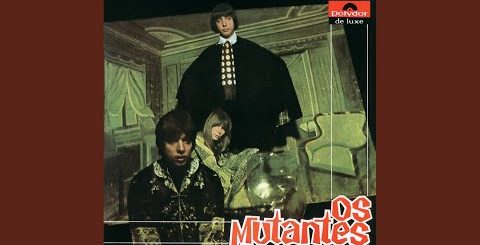
In the golden era of psychedelia, drenched in socio-political upheaval, stood a song that encapsulated the chaotic spirit of its time: ‘Panis et Circenses’ by the Brazilian band Os Mutantes. The title, a Latin phrase translating to ‘Bread and circuses’, preludes an allegory rich in impassioned protest and lurid imagination poetically disguised beneath its vibrant musical tapestry.
Released amid the turmoil of the 1968 Tropicália movement, ‘Panis et Circenses’ became more than just a song; it was an audacious commentary, a rebellious outcry against the numbness of society’s conformist cogwheel. As melodies warped and vocals soared, Os Mutantes embalmed their anthemic creation with layers of meaning just waiting to be unfurled.
Decoding the Tropicália Tapestry: Os Mutantes’ Bold Statement
At the heart of ‘Panis et Circenses’ lies Tropicália, an intricate cultural patchwork that challenged Brazil’s military dictatorship and its imposition on free speech and civil liberties. The song, both a product and a vehicle of this movement, conveyed resistance and liberty through its vivid imagery. By juxtaposing mundane domesticity with wild, freeing acts, the lyrics paint a stark portrait of a society in a metaphorical straightjacket.
The repeated references to ‘people in the dining room being busy being born and dying’, underscore the existential cycle that traps individuals in a state of passive compliance. Os Mutantes spotlights this monotony to starkly highlight the contrast between the societal norm and the surreal, liberating actions they describe in the lyrics.
A Psychedelic Masterpiece: Surrealism Meets Social Commentary
The song’s colorful surrealism is not just an artistic choice but a carefully deployed disguise. In an era where censorship loomed large, the use of poetic and abstract lyrics was often the safest way to slip past the authorities’ watchful eyes while still imparting a potent message. ‘Panis et Circenses’ juxtaposes the fantastical with the grim, yoking the wonders of solace-signaling tigers and lions roaming free to the deadly blade forged to kill a love, representing the dual nature of existence under an oppressive regime.
The tuneful defiance present in the band’s sonorous escapades also serves as a multi-layered veil to critique societal apathy. The arresting harmonies become a playground of cryptic meaning, where listeners are invited to peel back layers and contemplate the broader implications of liberty and life.
Bread and Circuses: The Song’s Hidden Meaning
‘Panis et Circenses’ borrows from a phrase that historically alludes to superficial appeasement of the masses—full bellies and entertainment. In this light, the song’s refrain becomes an indictment of superficial materialism overshadowing authentic existence and eat while they waste away in a cycle of birth and death, the song posits a world where existential fulfillment has been exchanged for a superficially contented existence.
The gripping phrase serves as a critique of a populace engrossed in the spectacle of survival, oblivious to the power structures dictating their circumscribed lives. Through the repetitive mentioning of the dining room setting, the song layers the metaphor—and critique—of the masses sedated by the governmental sleight of hand.
Echoes of Discontent: Memorable Lines That Resonate Rebellion
Each verse and chorus within ‘Panis et Circenses’ pitch their symbolic tent of protest, but certain lines ripple through time with an undiminished fervor. ‘Mandei fazer de puro aço luminoso um punhal/Para matar o meu amor e matei’ resonates with a harrowing depth, a concealed metaphor of ending one’s former political complacency, punctuated by the chilling ‘matei’ (‘and I killed’). Here, Os Mutantes draw a visceral picture of the violent extremes to which the struggle for freedom could conceivably go.
The song, therefore, becomes not only a memorable anthem of the era but a mosaic of expressions, layered with cries for transformation cloaked in the haunting imagery of personal and societal destruction.
The Soundtrack of a Revolution: Analyzing ‘Panis et Circenses’ Cultural Impact
Just as anthemic battlesongs have rallied troops throughout history, ‘Panis et Circenses’ roused a cultural army under the banner of Tropicália. It wasn’t just a commercial hit; it was the beating heart of a social uprising, echoing from transistor radios into the minds of a generation eager for change.
The song endures to this day not only for its catchy, psychedelic arrangement but also for its capacity to evoke the essence of an era. As both historical artifact and living spirit, it continues to incite reflection on societal structures and individual agency—or lack thereof—in the face of political and cultural oppression.