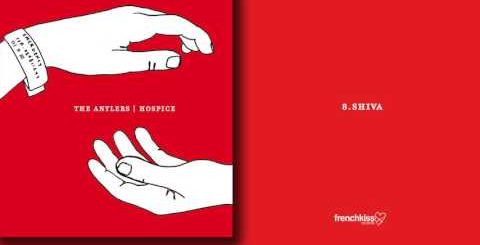
Parentheses by The Antlers Lyrics Meaning – The Enigma Wrapped in Musical Poetry Unraveled
Lyrics
Soaring and suffering,
Arm in a sling,
I don’t owe you anything.
I’m a bad absentee,
You know when I want to leave.
So close up your knees,
And I’ll close your parentheses.
I’m a bad amputee,
With no phantom memory.
So close up your knees,
And I’ll close your parentheses.
The hauntingly beautiful track ‘Parentheses’ by The Antlers stands as a testament to the band’s ability to interweave raw emotion with sophisticated lyrical craftsmanship. Layered with metaphoric nuance and submerged in a sea of atmospheric soundscapes, the song captures a listener’s mind, inviting them to unravel its deeper meanings.
While The Antlers are known for their deeply autobiographical and intimate storytelling, ‘Parentheses’ eludes straightforward interpretation, its title alone suggesting something tucked away—almost an afterthought, but essential for comprehension. Delving into the lyrics reveals a poetic journey through themes of pain, separation, and the complexities of emotional dependency.
The Flight Metaphor: A Dive into One Broken Wing
The opening line, ‘One broken wing,’ immediately sets a tone of impairment and constraint. The imagery of a bird unable to take full flight parallels a human’s struggle with personal limitations. It invokes a somber reflection on the challenges of moving forward when one’s abilities are curtailed, a sentiment that resonates with anyone who has felt hindered by physical or emotional circumstances.
As the lyrics unfold, the soaring and suffering duality manifests—highlighting the desire to rise above pain against the harsh reality of enduring it. With the protagonist’s ‘arm in a sling,’ the song paints a striking visual of incapacitation and reliance on others, all the while asserting independence with the stark line, ‘I don’t owe you anything.’
Absenteeism and Emotional Distance: Lyrics that Resonate
‘I’m a bad absentee,’ sings lead vocalist Peter Silberman, revealing the narrator’s self-awareness of their absence, both physically and emotionally. This admission cuts deep into the psyche of someone grappling with the guilt of not being present for others, or perhaps, the resignation towards an emotionally deficient self.
This line serves as a portal through which listeners can dissect their own experiences with detachment and the complex interplay between wanting solitude and coping with the weight of relational expectations.
Closing the Gap: The Poignant Echo of ‘Close your parentheses’
The recurring plea to ‘close up your knees’ followed by ‘And I’ll close your parentheses’ operates as a desperate invocation for boundaries. Here, the parentheses symbolize an opening or an invitation that the narrator wishes to shut, urging for a resolution and an end to vulnerability.
By attributing a grammatical function to an emotional context, The Antlers encapsulate the need for closure in relationships and self-protection against the invasive aspects of intimacy.
The Haunting Omission: The Unmentioned Phantom Memory
In a brilliant twist of lyricism, the song delves into the concept of phantom limbs, a phenomenon often experienced by amputees. The phrase ‘I’m a bad amputee, With no phantom memory’ indicates a disconnect with something once a vital part of oneself, now lost without even the lingering sensation of its presence.
This absence of memory, or the inability to hold onto the emotional attachments of what’s been severed, speaks to the heart-wrenching process of moving on without the comfort of past feelings. It’s a confession of numbness, not only physical but emotional, that serves as a defense mechanism in a world replete with loss.
Memorable Lines that Capture the Soul
Every verse in ‘Parentheses’ could be a study in poignant, memorable lyricism, but the lines ‘So close up your knees, And I’ll close your parentheses’ strike a particular chord. They echo throughout the song, becoming a refrain that encapsulates the essence of the track.
As the song concludes, the words resonate with a peculiar tension between surrender and command, locking listeners into a state of thoughtful reflection long after the final notes fade away.