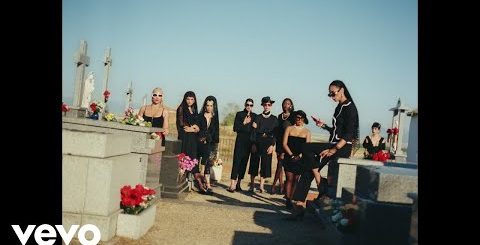
Párteme La Cara by C. Tangana Lyrics Meaning – Exploring the Depths of Loss and Self-Reflection
Lyrics
O párteme la cara
O miénteme y dime que me quieres
Que todo está bien, que no ha cambiado nada
Duermo con el cadenón bien puesto
Porque pienso en las noches que soñé su peso
Y porque el resto de cosas que importan se fueron contigo
Me he cansao del primer puesto
Ya no quiero ser mejor que el resto
Porque todas las cosas que importan se fueron contigo
Mejor no me digas nada
Ya no quiero más palabras
Acuérdate bien de que me tienes
Cuando quieras, ven, acá no pasó nada
Mejor dame otra calada
O párteme la cara
O miénteme y dime que me quieres
Que todo está bien, que no ha cambiado nada
Brindo por las noches y lloro en las mañanas
Y escribo cosas buenas de algunas chicas malas
Sobre todo cuando ya se han marchado
Guccis en el closet, cien mil en una noche
La vida que querías, los Lambos y los Porsches
Y todo para que al final te hayas marchao
Mejor no me digas nada
Ya no quiero más palabras
Acuérdate bien de que me tienes
Cuando quieras, ven, acá no pasó nada
Mejor dame otra calada
O párteme la cara
O miénteme y dime que me quieres
Que todo está bien, que no ha cambiado nada
C. Tangana’s ‘Párteme La Cara’ resonates with the raw energy of a soul searching for solace in the midst of emotional upheaval. At first listen, one might perceive it simply as a song steeped in melancholy and longing, yet it unfurls to reveal layers that speak to the human condition – unabashedly addressing themes like vulnerability, regret, and the dichotomy between material success and personal fulfillment.
The track weaves a compelling narrative that transcends the typical bounds of love-gone-wrong anthems, crafting a poignant examination of self and substance. Beyond its compelling beat and haunting melodies, ‘Párteme La Cara’ offers a narrative that demands a deeper dive into human complexities, making it emblematic of Tangana’s deft touch as a songwriter.
The Crushing Weight of Materialism Unveiled
The symbolism starts starkly with ‘duermo con el cadenón bien puesto’ as C. Tangana fixates on the heavy chain, a metaphor reflecting the burdens of material wealth. The imagery speaks volumes: even in solitude, the weight of his acquired opulence is inescapable. Tangana confronts an uncomfortable truth about success — the more you have, the more you can lose, emotionally and spiritually.
The line ‘Guccis en el closet, cien mil en una noche’ continues this theme, painting a vivid picture of a life filled with the trappings of luxury yet devoid of genuine comfort or connection. The reference to ‘Lambos y los Porsches’ serves as a double entendre for a ride or journey with a partner, only to find oneself at the destination alone.
A Battle Cry For Authenticity
‘Mejor no me digas nada, ya no quiero más palabras’ signals a desperate plea for authenticity in an ocean of facades. Tired of empty promises and superficial platitudes, Tangana’s call for something real is almost tangible. It’s a powerful acknowledgement of the futility found in words when actions fail to substantiate them.
By demanding ‘dame otra calada o párteme la cara’, the singer juxtaposes physical pain with the agony of betrayal or dishonest reassurances, ultimately questioning which carries more hurt. The rawness of the plea reverberates with anyone who’s experienced the sting of false hope.
The Hidden Meaning: A Call To Emotional Presence
In ‘párteme la cara o miénteme y dime que me quieres’, the juxtaposition of violence and affection offers a stark commentary on the nature of emotional presence. Tangana craves genuine connection — a theme hidden beneath the song’s surface. He seems to say, ‘If you’re going to hurt me, do it fully, honestly.’ He shuns half-hearted affections; he would rather face stark truths than be cradled in lies.
The lyric ‘que todo está bien, que no ha cambiado nada’ stands as a denial of reality, an ironic hook that echoes throughout the song. The artist speaks to the universal experience of trying to convince oneself that life is unchanged by a significant loss, even as the heart knows differently.
Navigating Nostalgia’s Labyrinth
The emotional zenith of the piece appears in lines like ‘Porque todas las cosas que importan se fueron contigo,’ where Tangana excavates the depths of nostalgia. This confession spotlights the dichotomy between the internal and external worlds. While his success may be outwardly apparent, internally he acknowledges that what really matters has departed with his lost love.
There’s a recognition of impermanence that comes with understanding that objects and accolades can’t hold space in one’s heart the way a person can. Reflection on the past becomes a double-edged sword; it’s both a prison and a museum where he keeps the remnants of emotions that refuse to dim.
Memorable Lines that Brand the Heart
Songs leave lasting scars not through their melodies, but through the weight of their words, and Tangana’s ‘Acuérdate bien de que me tienes’ touches on the emotion of feeling owned by someone who has left a permanent mark on your being. This verse conveys the essence of vulnerability and the contradiction of losing oneself while belonging to someone else.
As Tangana narrates ‘Brindo por las noches y lloro en las mañanas,’ this haunting juxtaposition of celebration and sorrow reflects the complexity of human emotion, where joy and pain coexist, often within the same moment, branding the heart with a memory that’s as painful as it is precious.