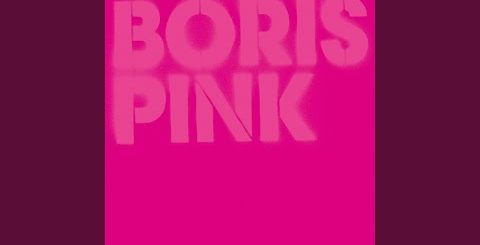
Pink by Boris Lyrics Meaning – Unveiling the Colorful Layers of Identity and Perception
Lyrics
You knew that, but you chose it
You chose it after ignoring why
With no time to look back
No eyes to meet, but a smile you made
What color would I use to paint all over
To open your eyes
In a line, trying to kill off the dizziness
In an agony, trying to make the reason
In a line, without averting the eyes, as always
Knowing the reaction
Making an empty attempt to make the reason
“The reason why, well, I can’t tell”
And such a smile
“My eyes are just reflecting”
And such a smile
Painful smile
Following the line
It’s all so superficial
All these eye contacts
That are going back to the lies
In a line, as always, without averting the eyes
Knowing the reaction
Making an empty attempt to make the reason
“Already, I knew it”
In the visceral realm of music, lyrics often serve as a conduit for profound insights wrapped in the melodies that evoke our deepest emotions. Boris’s song ‘Pink’ tantalizes the listener with such intricate lyrical content, blending poetic abstraction and cutting commentary on modern societal interactions.
Delving beyond the song’s title and its sonic landscape, we inch towards unearthing the nuanced layers of meaning within its lyrics—a journey through the canvas of the human condition, painted by a band unafraid to question our perceptions of reality.
The Collision of Choice and Ignorance
‘I knew that, but I chose it.’ These opening lines echolocate in the hollows of our conscience as Boris compels listeners to grapple with the weight of choice and the seductive allure of willful ignorance. It’s a profound admission that despite knowing better, we often lean towards decisions that disregard the consequences, leaving us with nothing but time’s relentless march away from the past.
And what of ‘You knew that, but you chose it’? Could it be a mirror thrust upon us by the other—an invitation to see the same flawed patterns of behavior reflecting back, cementing the universality of this human predicament?
Through a Prism of Colors: The Smile Deconstructed
The question of what color could reveal one’s true nature becomes a leitmotif in ‘Pink.’ It is not about the hue itself but the intent to ‘open your eyes’ to the realities hidden behind a smile. Such smiles, painfully etched upon the visage, suggest social armature—a disguise to navigate the inauthentic ballet of everyday interactions.
There is a cry within these words, a longing for genuineness in a society where we often paint over our authentic selves, trapped behind the canvas of societal expectations, and where smiles can be as much a symbol of joy as of concealed agony.
A Line of Existential Dizziness
Boris portrays a vivid image of an individual lost in a ‘line,’ both literal and metaphorical, ‘trying to kill off the dizziness.’ Here, we are privy to the disorientation of attempting to find direction in a blurred reality. The concept of a ‘line’ recurs, symbolizing the boundaries we define, the queues of monotonous existence, and the demarcations that perhaps we should step across yet remain steadfast in not averting our eyes.
This adherence to ‘the line’ is rife with internal conflict—’making an empty attempt to make the reason’—underscoring a desperate need to justify our actions within the confinements of our carefully constructed rationalizations.
The Hidden Meaning: Reflective Eyes and Lies
The chorus of ‘Pink’ reveals the song’s poignant underside as it alludes to the superficiality inherent in ‘eye contacts’ that merely ‘go back to the lies.’ It’s a stark realization that much of our communication—our seeking and giving of recognition—is mired in deception, a dance of reflections devoid of truth.
These reflections aren’t just about visual perception; they’re metaphors for how we see ourselves and each other through distorted lenses of expectation and facade. In the end, if our eyes are just reflecting surfaces, where is the room for authentic connection?
Memorable Lines: Echoes of an Emptied Reason
Capturing the futility of our attempt to rationalize the irrational, Boris leaves us with the chilling echo, ‘Already, I knew it.’ It serves as a haunting acknowledgment that despite the façade, we often recognize the emptiness of our attempts at meaning-making in a reality that doesn’t always lend itself to neat explanations.
‘The reason why, well, I can’t tell,’ reverberates as a powerless resignation to the complexities of the human experience—a lyrical embodiment of the core struggle to derive sense from the chaos of our lives, all while maintaining the strained smiles that society demands.