Pravus by Meshuggah Lyrics Meaning – Decoding the Dystopian Dance of Destruction
Lyrics
Armed with distorted belief
Sharp munition spat from our minds
Malignancy rounds, automatic fire
Black, acidic bile
Seeping wounds of shattered souls
Still not pissing out fast enough
To quench our thirst for it to bleed us dry
Vile, ever menacing intent
Repulsive belligerence shot from toxic minds
Blatant disregard for all but self
Proudly flaunting the depravity of a race condemned, malign
Iterate, repeat these, my words
Recite the mantra of late
I will corrupt and impair
Vitiate, dispirit, debase, violate
Souls born with hateful intent
The deceitful spawn, descendants of lies
By the poisoned nails of history stung
If granted the will to injure, if granted the will to harm
The blades of hurt inexhaustibly swung
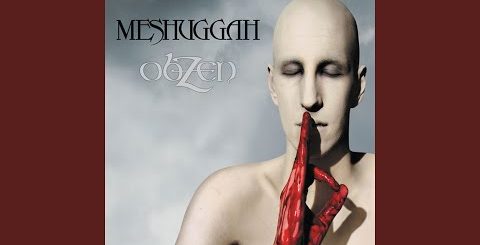
In the landscape of heavy metal music, where the brutal and the complex often intertwine, Meshuggah stands as a colossus straddling the realms of thought and aggression. Their song ‘Pravus’ from the album ‘obZen’ plummets into the abyss of existential wrestle and misanthropy—a cacophony that scores the narrative of humanity’s self-inflicted decay.
Beneath the surface of the Swedish band’s technical precision and polyrhythmic prowess lies ‘Pravus’—a word that translates to ‘depraved’ or ‘wicked’ in Latin. As we unravel the threads of this menacing tapestry, we find the lyrics are more than mere words; they are a mirror reflecting the darkest shades of our societal psyche.
A Symphony of Dystopia: The Visceral Soundscape
The sonic architecture of ‘Pravus’ is an intricate edifice, forged with the hammer of progressive metal and the anvil of existential dread. Meshuggah’s mechanical precision in guitar work, coupled with the relentless battery of the drums, creates an atmosphere of controlled chaos. It’s a duality that echoes through their work—a constant dance between the barbaric and the cerebral.
As the rhythmic dissonance meshes with lysergic lead works, the listener is transported to the frontline of an unwinnable war—an aural assault where each note seems to fight against the boundaries of traditional music theory, bending the listener’s understanding of time and harmony.
Dissecting the ‘Pravus’: The Textual Malignancy
‘Pravus’ pulls no punches in its lyrical content, painting a picture of a humanity corrupted by its own hands. The ‘drooling floods of lead’ and ‘Malignancy rounds, automatic fire’ speak to a society armed with toxic ideologies, a world where intellectual ammunition breeds violence and discord.
The message is bleak; it’s a perspective that sees no redemption, only an inexorable slide into entropy. The verses attack with the vitriol of a being that recognizes the rotten core, spewing loathe as the only response to a civilization devouring itself.
The Hidden Meaning: Reflections on a Race Condemned
Peel back the scathing layers of ‘Pravus’, and the hidden meaning reveals itself as a dark critique not on the outer but the inner frailties of man. It’s in the ‘vile, ever menacing intent’ and the ‘proud flaunting of depravity’ that Meshuggah critiques humanity’s insatiable appetite for self-destruction. The song is not a lament but an indictment—our collective elegy sung by our own discordant voices.
The ‘descendants of lies’ weep the bitterest of inheritances, stung by the ‘poisoned nails of history’—a narrative that unveils the cyclical nature of human failure, a rhythm as repetitive and inevitable as the song’s own punishing time signatures.
Memorable Lines: The Incessant ‘Blades of Hurt’
Among the song’s profound lyrics, the line ‘If granted the will to injure, if granted the will to harm, the blades of hurt inexhaustibly swung’ resonates with chilling significance. It highlights the relentless human propensity to cause pain, an ingrained characteristic that Meshuggah seems to argue is an elemental part of our very being.
The stark imagery of inexhaustible swinging blades rings true in an age where conflict seems eternal, and metaphoric cuts are not just drawn from weaponry but the tongue and pen—our era’s mightiest of swords.
The Mantra of Late: A Harbinger of Disintegration
‘Iterate, repeat these, my words, Recite the mantra of late’—Meshuggah’s invocation becomes a prophecy, a dark omen that forecasts the outcome of a species bent on its own demise. It’s not just a repetition of sound but an echo of the disintegrated ethos we seem doomed to replay.
This ‘mantra of late’ serves as a zealous chant that edges closer to the event horizon of cultural collapse. ‘Pravus’, in its spiraling descent, becomes the underscoring theme to the climactic finale of a play where the actors and the audience are one and the same.