Repentance by Dream Theater Lyrics Meaning – Navigating the Complex Journey of Redemption
Lyrics
Staring at the empty page before me
All the years of wreckage run through my head
Patterns of my live have thawed and torn me
Revealing hurtful shame and deep lament
Overwhelming sorrow now absorbs me
As the pen begins to trace my darkest past
Signs throughout my life that should have warned me
Of all the wrongs I’ve done for which I must repent
I once thought it better to regret
Things that I have done, then haven’t
Sometimes you’ve got to be wrong
Learn the hard way
Sometimes you’ve got to be strong
When you think it’s too late
Staring at the finished page before me
All the damage now so clear and evident
Thinking ’bout the dreaded task in store for me
A bitter fear at the thought of my amends
Hoping that the step will help restore me
To face my past and ask for forgiveness
Cleaning up my dirty side of this un-swept street
Could this be the beginning of the end?
I once thought it better to regret
Things that I have done, then haven’t
Sometimes you’ve got to be wrong
Learn the hard way
Just when you’re through hanging on
You’re saved
If we are painstaking about this phase of our development
We will be amazed before we are halfway through.
We are going to know a new freedom and a new happiness.
We will not regret the past nor wish to shut the door on it.
We will comprehend the word serenity, and we will know peace
No matter how far down the scale we have gone.
We will see how our experience can benefit others.
That feeling of uselessness and self-pity will disappear.
We will lose interest in selfish things and gain interest in our fellows.
Self-seeking will slip away.
Our whole attitude and outlook upon life will change.
Fear of people and economic insecurity will leave us.
We will intuitively know how to handle situations which used to baffle us.
We will suddenly realize that God is doing for us what we could not do for ourselves.
Are these extravagant promises? We think not.
They have been fulfilled amongst others
Sometimes quickly, sometimes slowly.
We will always be true to our principles.
You’re only as sick as your secrets
But the truth shall set you free.
The truth is the truth.
That’s all you can do is live with it.
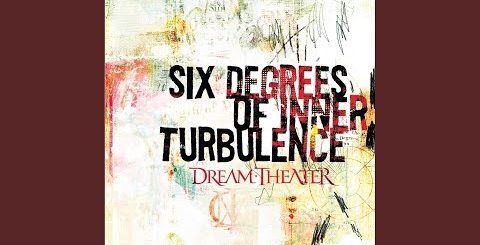
Dream Theater, in their intricate anthem ‘Repentance,’ peel back the layers of the human psyche to embark on a journey of self-reflection and penance. The track, a penultimate chapter in the ‘Twelve-step Suite,’ chronicles the process of personal transformation through acknowledging past mistakes – a theme both universal and intimate.
As we dissect the poignant lyrics of ‘Repentance,’ we uncover the band’s mastery in mirroring the step of making amends from the Twelve Steps of recovery programs. The song, as much an introspection as an invitation, beckons listeners to confront their own shadows with honesty and courage.
Unlocking the Chains of the Past Through Melody
Opening with a serene yet somber tune, ‘Repentance’ creates an atmosphere of introspection that resonates with those familiar with the burden of regret. Dream Theater doesn’t just present the lyrical content; they craft an auditory space in which the weight of bygone errors feels tangible, drawing the listener deeper into retrospection.
The deliberate pacing of the song, mirroring the slow, sometimes painstaking journey towards self-forgiveness, leaves an indelible mark on the soul. The musical arrangement – a blend of mellow rhythms and harmonies – acts as a canvas for the poignant narrative, emphasizing the emotional gravity of the lyrics.
In the Mirror of Lyrics: Dream Theater’s Poetic Confrontation
Staring at the empty page, the lyrics initiate a dialogue with the self, a tête-à-tête with the mirror of the soul. This reflection isn’t superficial; it’s a deep-dive into the disarray of personal history and the ripples of actions that extend far beyond the moment of their making.
Dream Theater, through their masterful lyricism, doesn’t shy away from exposing the darker facets of human nature. The band delves into the psyche, exposing a vulnerable narrative that many can resonate with – the struggle for redemption and the quest for a lighter consciousness.
The Pivotal Moments: A Dissection of Memorable Lines
‘Sometimes you’ve got to be wrong, learn the hard way. Just when you’re through hanging on, you’re saved,’ serves as a striking reminder that often, the path to enlightenment is paved with hardships and trials. These lines don’t merely suggest a trite acceptance of pain but rather propose the transformative nature of enduring and learning from one’s mistakes.
This idea resonates with the concept that it is through our most challenging times that we grow the most – a sentiment that Dream Theater transposes into musical emotion, leaving an echo long after the last note fades.
The Hidden Meaning: An Ode to the Steps of Recovery
Though on the surface ‘Repentance’ might seem like a personal confession, its layers reveal an alignment with the eight and ninth steps of Alcoholics Anonymous’ Twelve Steps, focusing on making a list of all persons we had harmed and making amends to them all. The song is not just an individual’s testament; it is a narrative woven into the fabric of communal healing and recovery.
By paralleling the steps – a process fostering the new freedoms and happiness described in recovery literature – Dream Theater constructs a musical bridge between the trials of addiction and the universal human experience of seeking redemption and restoring harmony.
When Words Become the Path to Freedom
The closing statement of ‘Repentance’ moves from a deeply personal purview to a spiritual and collective awakening. ‘The truth shall set you free. The truth is the truth,’ echoes the overarching sentiment that only through honesty, with oneself and others, can one step out of the shadows of secrecy and shame.
In these lines, Dream Theater doesn’t just conflate the struggle with a resolution; they promise an emerging ethos wherein transparency acts as the harbinger of true peace and a metamorphosed life. In essence, the song stitches an emotional tapestry that simultaneously acknowledges the pain of past actions and offers a mantra for liberation.