Screaming at a Wall by Minor Threat Lyrics Meaning – Punk’s Profound Protest Against Communication Barriers
Lyrics
Any way that I can
I’m gonna scream, I’m gonna yell
I don’t want to have to use my hands
It’s like screaming at a wall
Someday it’s gonna fall
You built that wall up around you
And now you can’t see out
And now you can’t hear my words
No matter how loud I shout
It’s like screaming at a wall
Someday it’s gonna fall
You’re safe inside and you know it
‘Cause I can’t get to you
And you know I resent it
In the heart of the intense, sweat-soaked walls of punk’s history, there lurks a song whose raucous exterior bellows deeper insight than one might suspect at first blare. ‘Screaming at a Wall’ by Minor Threat may only span a concise minute and thirty-three seconds, but within that brief earthquake of sound breathes a vivid critique of human interaction, societal norms, and the internal struggles that define the defiance of a generation.
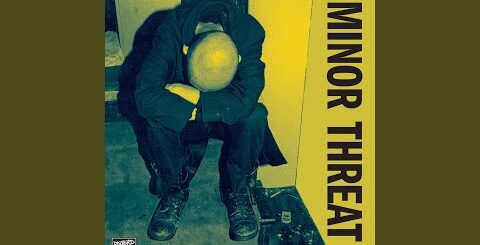
The track, dropped into the punk scene as part of their 1981 self-titled debut EP, doesn’t waste a second on subtlety or euphemistic poetry – it is the embodiment of raw emotion, encapsulating the frustrations of being unheard and misunderstood. Let’s break through the sheetrock of its core message and expose the studs of what makes ‘Screaming at a Wall’ a timeless scream for clarity and connection.
The Fist of Frustration in Four Furious Lines
Launching into an auditory assault, the first quatrain of ‘Screaming at a Wall’ is more than a tirade – it’s a manifesto of desperation. The fury in the lyric ‘I don’t want to have to use my hands’ points to a desire for peace and reason in an age where aggression often leads the charge. The uncompromising force behind the words conveys not just an individual’s plea, but the collective outcry of a youth culture that’s been forced into a corner by misunderstanding.
The acknowledgment of a different ‘way that I can’ reflects the core punk ethos: to persist, to challenge, to knock down every barrier in an effort to be truly seen, heard, and understood. Refusing to resort to violence, the declaration prioritizes communication, echoing the dissonance between the need to connect and the failure to do so.
An Anthem Against Isolation’s Architecture
In the second verse, Minor Threat distills the essence of alienation into the metaphor of an imposing wall. The imagery of being unable to ‘see out’ or ‘hear’ elucidates the emotional repercussions of building barriers—literal or metaphorical—around ourselves. It articulates a universal human dilemma; the self-inflicted blindness and deafness that come from our own defenses becomes a prison of our own design.
The rawness of the ‘wall’ serves as a symbol for various divisive structures in society – from interpersonal relationships to more extensive institutional arrangements. The song’s pulsating heartbeat drags this metaphor into the stark light, challenging listeners to recognize their own walls and contemplate the inexorable damage done when we isolate ourselves.
Tearing Down the Bricks of Self-Imposed Entrapment
But ‘Screaming at a Wall’ goes beyond describing the problem; it prophesizes a solution. The repeated line ‘Someday it’s gonna fall’ doesn’t just predict an inevitable conclusion; it speaks of the unyielding hope that perseverance in the face of silence will ultimately lead to the wall’s demise. This chorus of resilience turns the song into a battle cry for relentless belief in change and the dismantling of communication barriers across the board.
This sentiment of hope coursing through the track is a beacon for the possibility of breakthroughs, encouraging a raw and active form of hope over complacent optimism. In its simplicity, the phrase becomes a mantra for rebellion against the status quo, for the dynamic push for transformation, and the unwavering pursuit of genuine discourse.
The Hidden Meaning: A Dissection of Punk’s Inner Battles
‘Screaming at a Wall’ isn’t merely a song about projecting one’s voice; it’s a psyche analysis of the punk movement itself. Here, Minor Threat is addressing the issue of internal conflicts within the scene – the infighting, the miscommunications, the literal and figurative barriers that impede unity in a subculture predicated on collective identity and mutual respect.
The wall is not just a barrier to be shattered; it is an internal challenge within each person and the community at large. It calls for introspection and the courage to break down these individual and collective walls in order to foster a more profound connection among those who share the punk ethos. It’s a reminder that the real threat is not just external – sometimes, the minor threats come from within.
Memorable Lines: Slogans of Survival and Strength
The lines ‘You’re safe inside and you know it / ‘Cause I can’t get to you / And you know I resent it’ hit with the impact of a thrown brick. They reflect the longing and frustration inherent in trying to connect with someone who is closed off to the world. These lyrics represent the struggle to reach through to the essence of a person who has shut themselves away out of fear, pride, or ignorance.
This unforgettable phrase is not only indicative of personal relationships but resonates with wider societal implications. It’s a lament on human stubbornness and the reality that so often, our safety nets—be they personal philosophies or physical constructs—are also our cages. And in that, Minor Threat has immortalized the anguish and exasperation of trying to bridge the most human of all divides—the one that lies between each other.