Speak Of The Devil by Sum 41 Lyrics Meaning – Unraveling The Enigma Of Rebellion And Redemption
Lyrics
And I got you now, I’m not alone
All I need in this life is one
One to believe in
I’ve seen many a face
From young and too old
I’ve stolen their faith and I have broken their souls
Was here before Christ had forgave you your sins
And paid your price, and sealed your fate within
Days have come to an end
Today’s the day that we meet again
The self-inflicted inebriation guilt never lies
I’ve been waiting for the chance to reunite this increment
Poison never hurt so good
So nice of you to speak of me, your closest friend and enemy
And only savior of masochists
Well, it’s the dead-end, slave
From the altar to the grave
It’s the last days of our life and faith, amen
Time, it’s been so long and now there’s nothing to say
I’m trying so hard to find the words to say
I’m tired of being, now I’m something I’m not
I can’t believe and I never thought
Days would come to an end
Well, maybe someday we’ll meet again
If ever that day never comes it would be too soon, my love
I’ve been waiting for the chance to nullify this increment
Pull the cord to detonate
So sick of you, don’t speak of me, no represent of misery
And only savior of masochists
Well, it’s the dead end, slave
From the altar to the grave
It’s the last days of our life
Well, it’s the dead end, slave
From the altar to the grave
It’s the last days of our life and faith, amen
I’ve found a way, getting better every day
And I got you now, I’m not alone
All I need in this life is one
One thing to believe in
Trying to find a way, getting better every day
And I got you now, I’m not alone
All I need in this life is one
One thing to believe in
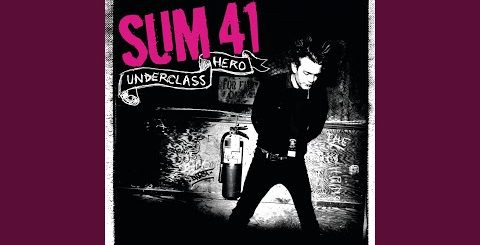
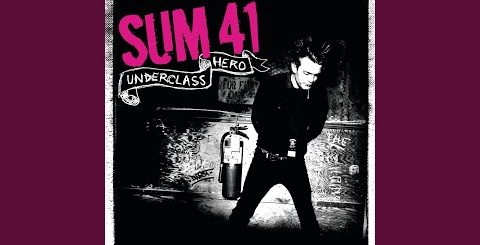
Sum 41’s ‘Speak of the Devil’ from their 2007 album ‘Underclass Hero’ emerges as a musical enigma wrapped in punk rock energy and emotional turbulence. At its core, the song wrestles with themes of existential clarity, self-destruction, and the search for a savior figure—one to merit unshakeable belief. The viscerality in the track’s tempo and the incisive nature of the lyrics call for an introspective dive into a narrative where every chord strikes a conversation with the soul.
Navigating through the dark corridors of self-realization, ‘Speak of the Devil’ recounts the age-old tale of human frailty juxtaposed with a longing for salvation. As the layers of the song unfurl, the audience is left to confront the stark dichotomy of the human condition—the pursuit of betterment and the inescapable dance with our own demons.
A Journey From Isolation to Alliance
In a candid admission of solitude, Sum 41 introduces us to the struggle between isolation and companionship. ‘Trying to find a way, getting better every day / And I got you now, I’m not alone’ isn’t just a lyric—it’s an anthem for anyone clawing their way towards personal improvement. The significance lies not only within the search but in the affirmation that through it all, there’s a solitary figure serving as a beacon of belief.
The band’s portrayal of unity as the antidote to life’s ills suggests an existential understanding that in the collective human experience, one true connection can transcend the myriad false prophets of happiness that lead many astray.
The Devil’s Confession: A Hidden Meaning?
Delving deeper into the psyche of the song, Sum 41 paints a picture of a figure with a mythical presence—’Was here before Christ had forgave you your sins.’ The track flirts with the trope of a devilish persona, one that has not only witnessed the transgressions of humanity but played a hand in them. This narrative offers a dual interpretation: it could be a metaphor for one’s inner tyrant or, quite intriguingly, a raw exposé of the devil himself.
There’s a subtle nod to the idea that evil is a requisite companion to good and that recognizing one’s shortcomings allows for true transformation. The character in question revels in the destruction he’s wrought, suggesting a hidden meaning that we, as humans, might be unwittingly complicit in the dance of our own demise.
The Anthem of the Weary: Taking a Stand
The chorus of ‘Speak of the Devil’ belts out a refusal to continue a life marred by the past. ‘I’ve been waiting for the chance to reunite this increment / Poison never hurt so good’ encapsulates the paradox of hurting yet feeling alive. Sum 41 captures the essence of rock as an outlet, a means to resist remaining static in our poisonous comforts, and as a declaration of taking control over one’s vices.
In asserting this control, the song nurtures a resilient and rebellious heart—one that simultaneously craves and defies the love-hate relationship with the agony we know too well, thereby etching a line in the sand defining the limits of self-inflicted pain.
Memorable Lines Dissected: A Commentary on Fate and Faith
‘It’s the last days of our life and faith, amen’—this repeated line echoes like a judgment day proclamation. It sits heavily in the minds of listeners, suggesting that the end of days doesn’t come from an external apocalypse, but rather from the cessation of one’s personal beliefs and principles.
This sentiment underscores the fragility of faith—both in oneself and in the constructs that keep society afloat. As Sum 41 wraps these themes in a melodic fervor, they prompt their audience to reflect on what ‘last days’ might mean on an individual level and invite contemplation on the rites of passage that usher us from doubt to certainty, from existential dread to purposeful living.
Finding One Thing to Believe In: The Climactic Resolve
Against the current of inner turmoil and confusion that the song rides, there stirs a conclusion summarized in a desperate resolve—finding ‘one thing to believe in.’ In the forlorn search for meaning amongst chaos, this quest echoes our intrinsic longing for a single, unifying truth that can lend direction to the meanderings of life.
Sum 41’s mastery lies in leaving this ‘one’ thing to believe in undefined, transforming the song into an open canvass for listeners to paint their individual interpretations. Whether it be love, faith, redemption, or the redemptive power of music itself, the track serves as a powerful reminder that within the complex human experience, the simplest truths often wield the most transformative potential.