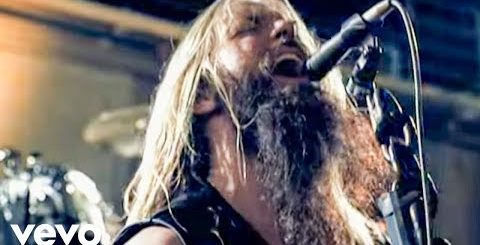
Stillborn by Black Label Society Lyrics Meaning – Unearthing the Soul of Desolation
Lyrics
Erase what was
Stillborn, I have become
The feelings I once felt are now dead and gone
I’ve waited here for you, for so very long
So empty
Just a shell of a man
Stillborn, this I understand
The feelings I once felt are now dead and gone
I’ve waited here for you, for so very long
I waited here for you, so long
I waited here for you, for you
The feelings I once felt are now dead and gone
I’ve waited here for you, for so very long
I waited here for you, so long
I waited here for you, so long
I waited here for you, so long
I waited here for you, for you
In the labyrinth of rock music, there are songs that transcend mere sound, becoming emotional landmarks that map out the human experience. Black Label Society’s ‘Stillborn’ is one such track—a visceral articulation of despair and the dimming of inner light. With its heavy riffs and haunting vocals, the song has become an anthem for those who have touched the edges of desolation.
As we venture through the shadowy corridors of ‘Stillborn’, we embark on an odyssey into the heart of emotional despondency, exploring an echo chamber of forsaken passions and extinguished desires. It is a ballad as much about the depth of pain as it is about the human condition—a stark reminder of the fragility of feeling and the endurance of hope in the face of hopelessness.
The Haunting Resonance of ‘Stillborn’: A Symphony of Misery
The opening lines, ‘Blind me / Erase what was,’ set the stage for a journey into an abyss where the past is a specter, no longer welcomed but forever lurking. The protagonist pleads for a form of emotional cataract, to become sightless to the memories that aggravate their tormented soul.
The refrain of ‘Stillborn, I have become’ delivers a chilling metaphor for existence without essence, encapsulating that harrowing moment where one feels they have emerged into the world, yet are bereft of life’s vibrancy—a spectral self, aimless and devoid of meaning.
The Metaphor of ‘Stillborn’: An Exegesis
The word ‘Stillborn’ is laden with grief—evoking the stillness of potential that never took breath. In the context of the song, it is a powerful allegory for dreams deferred, ambitions decayed, and love withered. It’s the soul’s silent scream in the face of life’s reluctant pause, where the spirit withers as time marches indifferently on.
This thematic thread weaves a chilling eulogy for what could have been but now will never be. The repeated declarations of feelings ‘dead and gone’ resonate with anyone who has faced the paralyzing reality of loss—be it of love, purpose, or self.
The Endless Wait: A Meditation on Patience and Grief
A recurring theme within ‘Stillborn’ is the agony of anticipation: ‘I’ve waited here for you, for so very long.’ This line signifies a Sisyphean endurance, underscoring the eternal nature of the protagonist’s plight—a sentiment that is both deeply personal and universally understood.
The song positions waiting as a form of purgatory, each moment stretching into an eternity filled with a heartache that compounds with the passing of time. Such piercing pensiveness creates an intimate bond with the listener who too may be caught in the desperate chute of waiting for resolution or recompense.
Stillborn’s Sonic Cathedral: How Music Amplifies Pain
Musically, ‘Stillborn’ is an edifice of anguish, constructed with the dark mortar of Zakk Wylde’s signature guitar work. The powerful, chugging riffs serve as a ceremonial dirge, complementing the grim tapestry of the lyrics while conjuring a sense of gravity and depth to the protagonist’s voice.
What makes ‘Stillborn’ particularly impactful is its ability to marry sound to sentiment flawlessly. Each chord played is like a wail from the soul’s own strings, a cathartic release of the sorrow penned in the world of the lyrics.
The Linger and Echo of ‘Stillborn’: Embracing Hope in Hopelessness
In the echoes of ‘I waited here for you, so long,’ there exists not just a refrain of despair but also a flicker of persistent hope—an unwavering beacon that, even in the depths of emotional desolation, insists on waiting for a chance at redemption, however faint that chance might be.
This tension between abandonment and expectation within ‘Stillborn’ is a poignant reminder to listeners that within every ending there is a space for new beginnings, even if unseen. And as we listen, the song’s heavy overtones become a profound mirror, reflecting back our own stillborn desires, offering an opportunity to confront them, and perhaps, to finally let go.