Tenuousness by Andrew Bird Lyrics Meaning – Unraveling the Labyrinth of Human Existence
Lyrics
When pressed about the rest of it, the world that is
From proto-Sanskrit Minoans to Porto-centric Lisboans
Greek Cypriots and and harbor-sorts who hang around in ports a lot
Here’s where things start getting weird
While chinless men will scratch their beards
And to their minds a sharpened axe
Is brushed upon the Uralic syntax’s
Love of hate acts as an axis
Love of hate acts as an axis
First it wanes and then it waxes
So procreate and pay your taxes
Tenuousness
Less seven comes to three
Them, you, us plus eleven thank the heavens for their elasticity
And as for those who live and die for astronomy
Know when to stand or when to sit
Can’t stand to stand can’t stand to sit
Now who would want to know this
Click
Click
Click
Who wants to look upon this
Who wants to look upon this
Pray tell
Who wants to look upon this
Who wants to look upon this
Pray tell
Pray tell
Tenuousness
Less seven comes to three
Them, you, us plus eleven comes just shy of infinity
And as for those who live and die from numerology
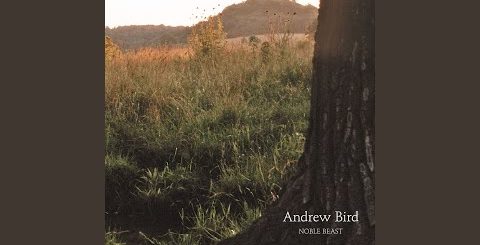
Andrew Bird’s song ‘Tenuousness’ from the 2009 album ‘Noble Beast’ operates on a plane that converges the lyrical prowess of a poet with the acute sensitivity of a seasoned musician. Nestled in his discography as a standout track, ‘Tenuousness’ speaks to the fragile and often precarious nature of life, history, and human connection with a beauty that requires listeners to peel back layers of meaning.
The song is a testimony to Bird’s erudition, stitching together historical, linguistic, and scientific references into a tapestry that challenges the very foundation of our understanding. What follows is an exploration of the intricacies and metaphors infused within ‘Tenuousness’ and an attempt to decipher the grander narrative behind Bird’s words.
The Historical Journey through Tenuous Threads
Bird weaves a timeline from ‘proto-Sanskrit Minoans’ to ‘Porto-centric Lisboans,’ not just as a showcase of historical knowledge, but as a commentary on the interconnected and often delicate threads of civilization. Through this parade of cultures, he highlights the transient nature of our societal constructs, where even the mightiest empires eventually fade into ports where ‘harbor-sorts’ linger.
By reminding us of our fleeting positions within the grand expanse of history, Bird’s lyrics encourage a sense of humility. The juxtaposition of ancient and modern civilizations insinuates a warning against the hubris of the present, the kind that often blinds us to the cyclical patterns of our past.
Peering into the Vanity of Mankind
Andrew Bird touches on a particular aspect of human nature in the lines ‘While chinless men will scratch their beards / And to their minds a sharpened axe.’ Here, the ‘chinless men’ are emblematic of figures who pontificate and deliberate, yet lack the resolve or depth of character to effect real change.
The sharpened axe, on the other hand, represents the intellectual tools at our disposal that are often used to dissect and critique but can also be harnessed for destruction. This metaphor serves as a critical reminder of the responsibility that comes with knowledge and the power it wields.
The Paradoxical Love-Hate Axis
As Bird utters ‘Love of hate acts as an axis,’ he steps into the realm of philosophy and examines the dichotomy between love and hate. Love and hate, much like the motion of an axis, are not fixed states but rather are ever-changing and interdependent emotions that influence human action.
This oscillation between passion and aversion not only defines personal relationships but also directs the course of history. Bird seems to suggest that the cyclical nature of these emotions generates momentum in human affairs, both in the nurturing of life and the inevitability of conflict.
The Numerological Nuance in the Qualities of Existence
The cryptic chorus, ‘Tenuousness / Less seven comes to three,’ together with the second part, ‘Them, you, us plus eleven comes just shy of infinity,’ dabbles in the mysticism of numbers. Bird may be alluding to the human penchant for seeking patterns and order in an otherwise chaotic universe.
Numerology, much like astronomy mentioned later in the song, is a discipline where humans look for answers in an effort to make sense of their place in the cosmos. Yet Bird’s mention of ‘infinity’ suggests the quest for understanding is unending, always falling ‘just shy’ of full comprehension.
Unveiling the Hidden Meaning: A Look Upon This
Bird repeatedly asks, ‘Who wants to look upon this,’ encapsulating the central theme of the song—our grappling with the nature of existence and our willingness to face it. The question of whether to ‘stand or sit’ metaphorically implores us to decide our level of engagement with the complexities of life.
The reluctance in the phrase ‘Now who would want to know this’ touches on the human desire to avoid confronting uncomfortable truths. Through this lyrical interrogation, Bird invites the listener to acknowledge the ephemeral, yet profound, essence of our collective journey.