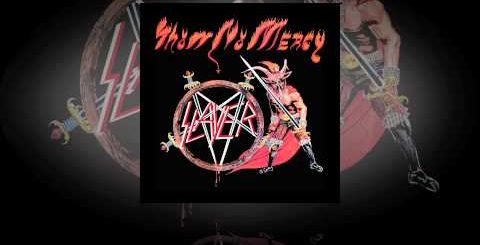
The Antichrist-live by Slayer: Lyrics Meaning – Unraveling the Darkness in Metal
Lyrics
Of a life I want
Can’t see living this lie no
A world I haunt
You’ve lost all control of my
Heart and soul
Satan holds my future
Watch it unfold
I am the antichrist
It’s what I was meant to be
Your God left me behind
And set my soul to be free
Watching disciples
Of the satanic rule
Pentagram of blood
Holds the jackal’s truth
Searching for the answer
Christ hasn’t come
Awaiting the final moment
The birth of satan’s son
Screams,
From a life I live
Torment,
Is what I give
Torture,
Is what I love
The down fall,
Of the heavens above
I am the antichrist
All love is lost
Insanity is what I am
Eternally my soul will rot
In the realms of thrash metal, few bands have managed to conjure the vivid imagery and provocative thoughts that Slayer does with their song ‘The Antichrist-live’. This track is not just a blistering assault on the ears but also a cerebral foray into the depths of opposition and rebellion.
Decoding ‘The Antichrist-live’ presents an opportunity to peer into the darkness and examine the raw spirit of a genre that has always flirted with the themes of chaos and existential dread. Slayer’s lyrical content, far from being arbitrary, acts as a canvas upon which they paint a narrative that speaks to the disillusionment with the world and the intrinsic quest for identity.
An Anthem of Defiance: The Resonance with a Generation
Slayer’s ‘The Antichrist-live’ encapsulates a generational sentiment that rejecting the status quo is not merely an act of rebellion, but a search for truth. It became an anthem for those feeling disenfranchised, disconnected with the societal norms and religious dogmas that seemed to suffocate personal liberty and self-expression.
The song resonates with its audience as it builds on the language of opposition and liberation from perceived societal chains. This emotional alignment with the spirit of defiance is the key to understanding the track’s enduring popularity.
Deciphering the Satanic Symbolism: More than Meets the Ear
While the use of Satanic motifs can be misconstrued as mere shock value, a closer examination reveals a deeper significance. The representation of Satan is often a metaphor for the emancipation from institutional control and the heralding of personal autonomy.
In ‘The Antichrist-live’, the embracing of Satanic imagery serves to challenge the listener’s perception of morality and indoctrination. This invitation to question preconceived notions is what often draws fans into a deeper, philosophical engagement with the music.
Screams and Nightmares: The Psychology of Horror
The vivid portrayal of nightmares and screams acts as catharsis, an artistic method of confronting fears and the realities of life’s darker sides. Slayer taps into the fundamental human experience of facing one’s own demons and the universality of inner turmoil.
By laying bare the psyche’s most distressing aspects, the song provides a shared experience of darkness that can be oddly comforting. It is the acknowledgment of these darker elements of life that make the song relatable to its many adherents.
The Potent Afterlife of ‘I am the antichrist’
Certain lines in music history have the power to define an entire movement. ‘I am the antichrist’ from this Slayer classic is emblematic, it is a bold declaration of self-awareness and self-determination that blurs the lines between blasphemy and a profound existential statement.
These words have continued to echo within the corridors of metal music and beyond, acting as a banner under which many have rallied. It is the combination of dramatic delivery and provocative meaning that cements the line’s potent afterlife in the audience’s memory.
The Unspoken Message in the Mayhem: Empathy in Aggression
Beneath the aggressive exterior of ‘The Antichrist-live’, there lurks an unspoken message of empathy. The song’s relentless energy and confrontational lyrics serve as a mirror for reflection on the seemingly inexorable struggle between personal identity and collective expectations.
This duality between aggression and the search for empathy provides a dual experience. Listeners are given the space to rage against their inner and outer battles while recognizing a shared sense of struggle engulfing human existence.