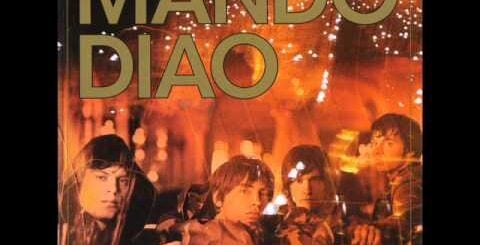
The Band by Mando Diao Lyrics Meaning – Unraveling the Layers of Nostalgia and Regret
Lyrics
When every morning longed to fall
It broke my sighs and my regrets
It stumbled on the steps
You’ve build for climbing towards me
Now it feels like sinners in the sun
When I say â??
I said I’d die for you
Or was it in my head
I took you down on ouzo
And now I thing I’d rather see you dead
If my depression stood the wind
I spat the devil up his chin
It couldn’t do me any harm
It roughed my steel and shut my mouth
My late impression
Oh, that rain that’s iching on my skin
When I say-
I said I die for youâ?¦
Hold me, scratch my shoulder
Fold me, sue me watch me going mad
I said I die for youâ?¦
Amidst the pantheon of music that touches our souls, certain songs grab hold with a clenched fist, never letting go. Mando Diao’s ‘The Band’ is one such haunting melody that speaks volumes in veiled lyrics and intense emotion. At the core of this song lies a raw heart, worn on the sleeve of reminiscing and reflection.
While on the surface, the lyrics may resonate with themes of love and loyalty, a deeper dive into ‘The Band’ reveals a complex web of feelings. The intertwining of nostalgia, longing, and the somber realization of lost ideals, imbued with a touch of classic rock sensibility, makes for a compelling lyrical journey.
Nostalgia’s Bittersweet Melody – A Dive into Longing
The opening lines of ‘The Band’ immediately sweep us into a wave of wistfulness. We can almost feel the mist of bygone days as the singer recounts a song from a distant, perhaps happier, past. The lyrics evoke a sense of yearning for times when mornings were met with eagerness, not dread – a universal human experience that reverberates within the chamber of listener’s own memories.
As we traverse the melodies, the music becomes a time capsule, encapsulating the essence of moments once lived – moments now slipping like sand through the fingers of the present. The ‘sighs and regrets’ point to missed opportunities and roads not taken, a retrospective gaze on personal history painted with a brush of melancholy.
Anthem of the Sinners – The Hidden Meaning
‘Now it feels like sinners in the sun,’ a line that may seem straightforward yet hums with subtext. There’s a juxtaposition of the sinful with purity, the darkness of sin washed in the glaring light of the sun. This lyric suggests an awakening, the kind that comes when one is forced to face their past actions and the reality of their consequences.
This profound realization is akin to stepping out of the shadows and into a revealing daylight. The song navigates through past declarations of dying for someone and the evolving sentiment that brings the narrator to a place of wanting to unravel those once-declared truths, almost as if the vows made were a performance that has now reached its curtain call.
Rebellion Against the Demons of the Past
The visceral imagery of ‘spitting the devil up his chin’ isn’t merely for shock value. It signifies a rebellious act against personal demons, an assertion of power and resistance against the factors that once caused turmoil. By implicating the devil – often a symbol of temptation and inner conflict – the lyrics acknowledge the struggle of overcoming the darker sides of oneself.
The song vividly conveys the turmoil that rages within a person when they are confronted with the multifaceted aspects of their identity. This confrontation with one’s own depression and the fight to stand tall against it reflects an internal wind that blusters with the intensity of personal growth and the relentless pursuit of self-betterment, no matter how tumultuous.
Memorable Lines That Echo the Conflict Within
‘I took you down on ouzo,’ a culturally charged reference, can be dissected to extract the essence of intoxication with a relationship, a night, or a period in time. The implication here is of a shared experience, now soured, to the extent that it transforms from a treasured memory into one that elicits the narrator’s disdain.
The stark shift from a pledge of ‘I’d die for you’ to the distressing ‘I’d rather see you dead’ encapsulates the tumult and volatility of human relationships. These lines are seared into the listener’s mind for their brutal honesty and the sentiments of love and hatred that intertwine, battling within the human heart during times of intense emotional upheaval.
A Psychological Study in Melancholic Closure
‘Hold me, scratch my shoulder, fold me, sue me, watch me going mad’ – these desperate pleas for touch, for legal battles, and for the acknowledgment of unraveling sanity, serve a dual purpose. They invite an exploration into the psyche of a narrator vacillating between the need for closeness and the cutthroat desire for vindication.
Through ‘The Band,’ Mando Diao captures the essence of a soul ripping at the seams, looking for closure amidst a self-imposed chaos. The song traverses the thin line between clinging on to the remnants of a fractured past and seeking liberation from its ghostly grip, thereby encapsulating the complexity of human emotion when faced with the ruination of former dreams and connections.