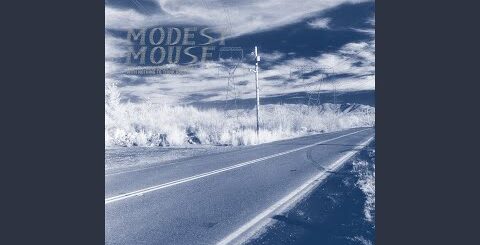
The Cold Part by Modest Mouse Lyrics Meaning – Unveiling the Chilly Depths of Isolation
- Music Video
- Lyrics
-
Song Meaning
- A Melancholic Ode to Emptiness: The Aloofness of Antarctica
- Stripped-Down Soundscape: The Minimalism of Music
- Abdication of the Self: The Hidden Meaning Behind Relinquishing Power
- The Resignation: A Chorus of Goodbyes Echoing in the Void
- Nostalgic Resonance: The Memorable Lines That Define a Generation’s Angst
Lyrics
So long to this bone-bleached part of the world
So long to this salt-soaked part of the world
I stepped down as president of Antarctica
Can’t blame me
Don’t blame me
So long to this sad, sad part of the world
So long
With a title that chills to the bone, Modest Mouse’s ‘The Cold Part’ takes us on a melancholic voyage through the icy landscapes of detachment. As we traverse the frozen metaphors and wind-swept allegories, Isaac Brock’s haunting vocals pierce through the song’s sparse instrumentation like a lone figure wandering through an endless tundra.
Quite akin to a ship abandoned by its captain, ‘The Cold Part’ off the album ‘The Moon & Antarctica’ sheds light on voluntary exile from responsibility, accompanied by a surrender to the elements. But what lies beneath the frost of the lyrics? Let’s thaw the surface and delve into the true essence of this haunting Modest Mouse classic.
A Melancholic Ode to Emptiness: The Aloofness of Antarctica
Brock’s renunciation of his imaginary presidency over Antarctica is no mere quirky detail—it’s an immersive metaphor that captures the song’s essence of disconnection. The reference to this desolate, ice-covered continent reflects Brock’s personal landscape, a tundra of the soul where emotions are as frozen as the ground beneath.
Symbolizing ultimate solitude, ‘Antarctica’ in the song isn’t just a cold, uninhabitable place, but also a representation of the artist’s inner world, bereft of warmth and disconnected from the heated heart of humanity. The ‘bone-bleached’ and ‘salt-soaked’ descriptors evoke images of desiccation and preservation, hinting at a life devoid of growth or change.
Stripped-Down Soundscape: The Minimalism of Music
Modest Mouse has deftly employed minimalist musical textures to echo the vast emptiness suggested by the lyrics. The interspersion of silence with sparse instrumentals suggests the theme of isolation, each note resounding in the hollow expanse of the sonic void.
The plodding bassline and the staccato percussion mimic the plod of time in isolation, while the occasional discordant guitar bursts mirror the inner turmoil of life amid a numbing emotional climate. Without a flurry of sounds to distract, the song invites listeners to contemplate the space between notes, much like contemplating the spaces between relationships or dreams in one’s life.
Abdication of the Self: The Hidden Meaning Behind Relinquishing Power
When Brock declares he ‘stepped down as president of Antarctica,’ it’s not just a playful abdication—it’s an existential retreat. The resignation is an escape from the pressures of authority and an admission of impotence against the forces that govern our own cold parts.
The role of a president, typically filled with power and responsibility, contrasts with the desolation of Antarctic rule. Here, Brock suggests that authority is meaningless in the face of personal desolation; control is an illusion when confronting the barren dominions of one’s inner landscape.
The Resignation: A Chorus of Goodbyes Echoing in the Void
As the song progresses, its lyrics become a mantra of departure: ‘So long to this cold, cold part of the world.’ Through repetition, Brock turns a simple farewell into a profound goodbye to more than just a physical place—it’s the repudiation of a state of being.
The repeated ‘so long’ serves as a bridge between resolving to leave and the act of leaving itself, indicating an irreversible distancing from what once was. It’s a pronouncement of departure from a land of melancholy and an emotional landscape that has become too inhospitable to inhabit.
Nostalgic Resonance: The Memorable Lines That Define a Generation’s Angst
The mournful exclamation ‘Can’t blame me. Don’t blame me’ resonates as a vulnerable but defiant claim of self-forgiveness. It’s not only a rejection of external judgment but also a plea for absolution from the harshest critic we know—ourselves.
‘I stepped down as president of Antarctica’—this line may seem comical at first glance, yet it becomes an acknowledgment of defeat. It’s a disarmingly sincere recognition that some internal battles cannot be won, and sometimes withdrawing is the only way to save oneself from the bitter cold of despair.