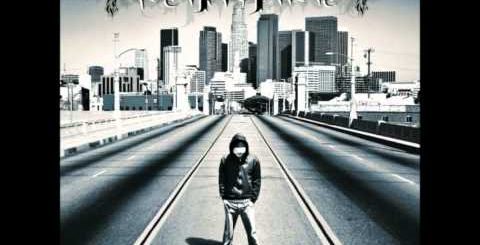
The Fake Sound Of Progress by Lostprophets Lyrics Meaning – Decrypting the Anthem of Disillusionment
Lyrics
If that was true I would have fallen apart by now
The more you think, the less you act their ways
So can you hear this, the fake sound of progress
Never reason with a fool, but is that unkind,
Looks like I lost my mind once again
I know it all sounds so contrived, but its got to me
You know I’ve got to be more than this
Don’t frown, don’t scorn, cus I walk a different street to you
You look so worn, I bet that life is has got you blown
But it will never get to mee
Somebody told me that I always have to bow
If that was true I would have fallen apart by now
The more you think, the less you act their ways
So can you hear this, the fake sound of progress
And I feel the way you hold, hold me back from this
Chances that I’ve missed, now their gone
Apathy is all I sense, the feelings too intense
Sitting on a fence and can’t decide
Don’t frown, don’t scorn, cus I walk a different street to you
You look so worn, I bet that life is has got you blown
No body will ever get to me
Somebody told me that I always have to bow
If that was true I would have fallen apart by now
The more you think, the less you act their ways
So can you hear this, the fake sound of progress
All these words that I accounted for, never fear another day
Always charged but I need more, make me take away
Tell me now, can you hear the sound
Of all these people falling down
Growing back into the ground let me smile again…
Smile
Tell me now can you hear the sound, of the record spinning
Round and round, for on and on it sounds like the same old
Song that I keep singing, it sounds like
Dah dah dah dah (yeahyeah sounds like) dah dah dah dah
(all these words that I accounted for, I’ll never fear another day)
Somebody told me that I always have to bow
If that was true I would have fallen apart by now
The more you think, the less you act their ways
So can you hear this, the fake sound of progress
Yeah yeah yeah progress
Make me smile again
(the fake sound of progress)
Dissecting the nuanced layers of Lostprophets’ ‘The Fake Sound Of Progress’ is like peeling an onion of social and personal critique. Beneath the seemingly aggressive soundscape and catchy hooks, this track from the band’s debut album by the same name is an intricate commentary rife with angst and a dissection of conformity and societal expectations.
Diving into the lyrics penned by frontman Ian Watkins reveals an intimate conversation about the individual’s struggle with the expectations of others, an anthem of rebellion against the inauthentic ‘progress’ society so often sells us. Each verse and chorus becomes a louder outcry for authenticity, challenging listeners to question the world around them.
Shattering Expectations with Piercing Lyrics
From the very beginning, the song takes a defiant stance against conformity. The protagonist is told they ‘always have to bow,’ suggesting a pressure to submit to authority or a preset path. However, this resistance to surrendering personal agency suggests a deeper narrative: a refusal to crumble under societal pressures and the pursuit of individuality. Lostprophets crafts a powerful message that resonates with anyone who has felt the weight of expectation bearing down on them.
In refusing to conform, the song suggests, lies the true sound of progress – an individualistic nature that’s at odds with the collective hum of conformity. It’s an attraction to the raw and real over the glossy sheen of made-up successes and manufactured achievements society lauds as progress.
The Fake Sound Of Progress: Euphemism for Societal Complacency
At its core, ‘The Fake Sound Of Progress’ is a critique of stagnation masquerading as improvement. The lyrics speak to a generation disillusioned by the appearance of change, merely noise without substance. It’s a sardonic ode to the wheels that turn but go nowhere, the record that spins the ‘same old song’ of hollow victories and superficial advancements.
This notion of ‘fakeness’ permeates not only within societal structures but also within the personal dissatisfaction of living a life bereft of genuine purpose. It is a scream into the void of apathy that swallows the passion and vision of many who find themselves trapped on the fence of indecision. The song challenges the listener to wake up to the reality of surface-level progress and the insidiousness of complacency.
Revolutionary Anthems: Harnessing Music as a Weapon
There is a defiant roar in the anthemic quality of ‘The Fake Sound Of Progress,’ where the band uses music as a tool for revolution, both inward and societal. By fusing urgent vocals with the raw energy of the instrumentals, Lostprophets transforms musical notes into a call to arms, inspiring a kind of rebellion that starts within the self before it spreads like wildfire.
This song is not just a set of lyrics or a melody—it’s a manifesto. It’s emblematic of the early 2000s, a time riddled with cultural and political shifts, where music often served as the mouthpiece for the disenfranchised and disenchanted. Lostprophets captures this zeitgeist, offering solace and solidarity to those fighting their own battles for authenticity.
Decoding the Enigma: Unveiling Hidden Meanings
Buried within the aggressive cadence and driving guitar riffs, the song unfurls layers of meaning that ask to be explored and interpreted. The ‘fake sound of progress’ isn’t just a lyrical hook—it’s a symbol, a mirror reflecting the veneer that so many people hide behind. The protagonist’s resistance to this falsity is a journey to introspection, inviting the audience to strip away their own pretenses and confront the uncomfortable truths of their realities.
Moreover, ‘The Fake Sound Of Progress’ touches on the theme of inner turmoil, woven seamlessly with broader social critique. It is a study of the dichotomy between the fear of stagnation and the struggle to find and embrace one’s unique path, an ever-relevant conversation in our own journeys toward self-discovery.
Memorable Lines That Echo Through Time
Certain lines carve themselves into memory, serving as both hook and hammer to drive the song’s message home. ‘The more you think, the less you act their ways’ becomes a credo for critical thinking, a reminder that blind compliance is not the path to true progress. Meanwhile, ‘Somebody told me that I always have to bow’ repeats like a mantra of resistance, encapsulating a spirit of defiance across ages.
These memorable lines, ingrained in the fabric of the song, continue to strike chords with listeners who seek authenticity in a world filled with imposture. As the song concludes with the rousing repetition of ‘progress,’ it cements itself not as a mere series of notes and words but as an enduring artifact of cultural significance that continues to inspire and challenge.