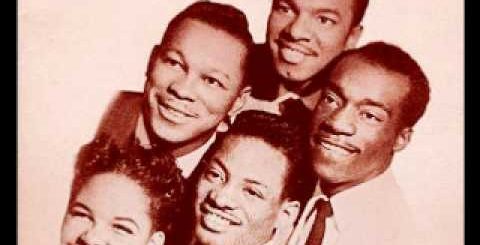
The Great Pretender by The Platters Lyrics Meaning – Unmasking the Facade of Faux Cheerfulness
Lyrics
Pretending that I’m doing well
My need is such I pretend too much
I’m lonely but no one can tell
Oh-oh, yes I’m the great pretender
Adrift in a world of my own
I’ve played the game but to my real shame
You’ve left me to grieve all alone
Too real is this feeling of make-believe
Too real when I feel what my heart can’t conceal
Yes I’m the great pretender
Just laughin’ and gay like a clown
I seem to be what I’m not, you see
I’m wearing my heart like a crown
Pretending that you’re still around
Too real is this feeling of make-believe
Too real when I feel what my heart can’t conceal
Yes I’m the great pretender
Just laughin’ and gay like the clown
I seem to be what I’m not, you see
I’m wearing my heart like a crown
Pretending that you’re still around (still around)
Beneath the smooth harmonies and the rich, dulcet tones of The Platters lies a narrative soaked in solitude and unspoken anguish. ‘The Great Pretender’, one of the group’s hallmark tracks, is more than just a melody; it’s a poignant exploration of the human condition. It’s a song that, through its lilting verses and deceivingly upbeat tempo, unfolds the tale of a lonesome soul camouflaged behind a veneer of mirth.
The quintet’s 1955 hit single delves deep into themes of love, loss, and the coping mechanisms we employ to mask our true feelings from the world. What seems on the surface to be another golden oldie is, in fact, an articulate dissertation on the illusions we muster to brave the turbulent seas of emotional vulnerability.
Behind the Masquerade: Unveiling the Art of Concealment
The premise of the song is as straightforward as it is universal – the act of pretending to be something we’re not as a form of self-preservation. It speaks to the common human experience of putting on a facade, where ‘Pretending that I’m doing well’ and ‘I’m laughin’ and gay like a clown’ are defenses against the unsettling reality of personal sorrow.
The Platters effectively harness the power of doo-wop’s traditional rhythm and blues to channel an inner turmoil that resonates with listeners across generations. Their smoothly orchestrated vocals become the vehicle for conveying a message as relevant today as it was in the 1950s.
The Soul’s Soliloquy: Cracking the Cheerful Exteriors
‘I’m lonely but no one can tell,’ croons the narrator, laying bare the poignant struggle between inner truth and outward presentation. Understanding these lines becomes a key to empathizing with those who smile in public while privately grappling with the ghosts of their unshed tears.
The Platters unwittingly forged an anthem for the broken-hearted, the stoic survivors of love’s battlefields who carry their emotional lacerations in silence. Their evocation of the ‘great pretender’ speaks to a skill sadly honed by too many – the art of parading phantom contentment in the midst of personal despair.
A Melancholic Clown: The Metaphor of Happiness as a Façade
The recurring imagery of a clown – joyous and entertaining on the surface – becomes a poignant parallel to the song’s central character. Clowns are, after all, the epitome of entertainment, endowed with the duty to make others laugh, while possibly concealing their own sorrow behind layers of makeup and forced smiles.
The Platters choose this metaphor to strike a chord. The contrast between the clown’s public display and private agony epitomizes the song’s essence. It invites listeners to ponder the weight of the masks we all wear and the hidden costs of keeping our true emotions at bay.
An Ode to Unacknowledged Heartache: Shedding Light on Hidden Agony
When the heart ‘can’t conceal’ what the mind wishes to hide, the songstress touches the universal pulse of denied pain. In a world where emotional transparency often feels like a liability, The Platters give a voice to the inner recesses of the grieving heart, validating the aches that society too often urges us to suppress.
The raw honesty captured in lyrics like ‘Too real when I feel what my heart can’t conceal’ acts as the song’s emotional crescendo. An acknowledgment of the vulnerability beneath the surface becomes a powerful connection point for anyone who has ever loved and lost.
Indelible Chorus, Immortal Echoes: The Lines That Stay With You
‘Pretending that you’re still around’ – this haunting refrain captures the song’s enduring legacy. It encapsulates the human yearning for connection and the inner dialogues we continue with those no longer present. It’s a part of the melody that lingers, resonating long after the last notes have faded.
This line solidifies ‘The Great Pretender’ as a timeless classic. It sears into the listener’s memory, a poignant reminder of love’s lingering shadows, and stands as testament to The Platters’ ability to craft songs that are both deeply personal and magnificently universal.