The Hero’s Return by Pink Floyd Lyrics Meaning – Unraveling the Echoes of War and Memory
Lyrics
Trying to clout these little ingrates into shape
When I was their age, all the lights went out
There was no time to whine and mope about
And even now part of me flies over Dresden at angels one five
Though they’ll never fathom it behind my sarcasm
Desperate memories lie
Sweetheart, sweetheart, are you fast asleep? Good
That’s the only time that I can really speak to you
There is something that I’ve locked away
A memory that is too painful
To withstand the light of day
When we came back from the war
The banners and flags hung on everyone’s door
We danced and we sang in the street
And the church bells rang
But burning in my heart
The memory smolders on
Of the gunner’s dying words on the intercom
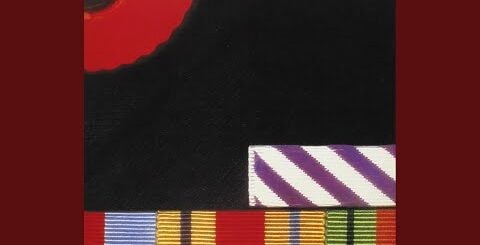
Pink Floyd, synonymous with thematic grandiosity and profound introspection, bequeaths a deep narrative about the scars of combat in ‘The Hero’s Return.’ Tucked away in their 1983 album ‘The Final Cut,’ this song is often overshadowed by the more commercially successful tracks, yet it carries an emotional weight, particularly as it delves into the psyche of a war veteran grappling with the residue of his experiences.
The lyrics, penned by Roger Waters, are a haunting monologue, internalized yet crying out for understanding. They expose the chasm between the glorified image of a returning soldier and the internal tumult of his lived reality. This analysis will explore the layers of ‘The Hero’s Return,’ unwrapping the tension between public perception and personal suffering, as well as the song’s resonance within the broader context of Pink Floyd’s discography.
The Clash of Generations: A Veteran’s Disdain
The opening line ‘Jesus, Jesus, what’s it all about?’ introduces us to the veteran’s perspective, one tainted with bitterness. He finds himself in a classroom setting, attempting to discipline children, who, in his eyes, lack appreciation for the sacrifices made during the war – a war that robbed him of his peace. This generational disconnect strikes a familiar chord, as many veterans feel their experiences are beyond the grasp of those who haven’t served.
The ‘little ingrates’ highlight the soldier’s struggle to relate to the post-war world, accentuating a common theme in Pink Floyd’s work: alienation. In this instance, it’s not just societal estrangement – it’s a generational rift, compounded by the conditioning of war that has irrevocably changed the protagonist.
Recurring Nightmares: The Lingering Shadow of Dresden
‘And even now part of me flies over Dresden at angels one five.’ These lyrics thrust us into the psyche of the narrator, revealing the presence of PTSD – a mental health condition often triggered by witnessing traumatic events. The reference to Dresden, an infamous site of wartime bombing, epitomizes the catastrophic impact of armed conflict on both civilians and soldiers.
The haunting phrase ‘angels one five,’ an air force terminology for 15,000 feet, transports listeners into the aerial skirmish, capturing the helplessness felt in such moments. These ‘desperate memories’ are the burdens the hero carries, invisible and dismissed by those around him, yet a relentless force in his life.
A Silent Confession in the Dead of Night
Amid the stillness of his partner’s sleep, the protagonist finds solace in voicing his turmoil – ‘That’s the only time that I can really speak to you.’ This line unfolds the painful irony; he is at his most vocal when he is least likely to be heard. This tragic form of communication underscores the immense gulf between the returning soldier and his loved ones.
The ‘memory locked away’ represents an indelible trauma the soldier endures, symptomatic of the emotional isolation that battling in a war can engender. There is a palpable strain between needing to share his burden and the awareness that such revelations might prove too harrowing for his confidante.
The Paradox of Public Adoration and Private Anguish
The song presents a vivid contrast between the public celebration of returning heroes – ‘banners and flags hung on everyone’s door’ – and the private torment they continue to face. Even as they are lauded by society, epitomized by the joyous ‘dancing in the street,’ there is a dissonance within the hero as his heart preserves the embers of past traumas.
Such dichotomy speaks to the complexity of the veteran experience, a hero in the eyes of the public, yet internally battling with distressing memories. This split between public and private selves is particularly potent in this song, raising questions about the cost of war and the societal response to returning soldiers.
The Gunner’s Dying Words: Echoes That Never Fade
Perhaps the most haunting part of the song are the ‘gunner’s dying words on the intercom.’ These words act as a synecdoche for the collective experiences of comradeship and loss in combat. They resonate with the permanence of a scar, underscoring the theme that war leaves indelible marks on the human soul.
The ‘dying words’ serve as a grim reminder of the ultimate sacrifice and the weight of survivor’s guilt. The gunner’s voice becomes a never-ending echo in the veteran’s mind, a symbol of the haunting reality that for many soldiers, the war never truly ends even after they’ve returned home.