The Saxophone Song by Kate Bush Lyrics Meaning – Unveiling the Layers of Melancholy and Muse
Lyrics
In a corner brooding
You know that I go very quiet
When I’m listening to you
There’s something special indeed
There’s something special indeed
In all the places where I’ve seen you shine, boy
Something very real in how I feel, honey
It’s in me
It’s in me
And you know it’s for real
Tuning in on your saxophone
Doo-bee-doo-bee-doo woo
The candle burning over your shoulder is throwing
Shadows from your saxophone, a surly lady in tremor
The stars that climb from her bowels
Those stars make towers on vowels
You’ll never see that you had all of me
You’ll never see the poetry you’ve stirred in me
Of all the stars I’ve seen that shine so brightly
I’ve never known or felt in myself so rightly
It’s in me
It’s in me
And you know it’s for real
Tuning in on your saxophone
Doo-bee-doo-bee-doo woo
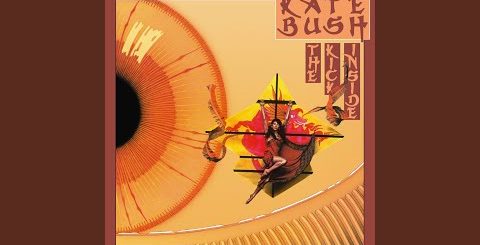
When Kate Bush introduced ‘The Saxophone Song’ to the world as part of her debut album ‘The Kick Inside’, released in 1978, listeners were immediately drawn into an atmosphere thick with European melancholy and introspection. Even after decades, the song remains a reflective corner in Kate Bush’s opulent garden of musical innovation.
Exploring the lyrics of ‘The Saxophone Song’ is akin to peeling back delicate layers of an onion; every verse seems to carry both the fragrance of poetic romanticism and the sting of personal introspection. The track is a rare blend of Bush’s ethereal voice and a haunting saxophone, serenading us through a narrative of unspoken emotions and artistic encounters.
The Brooding Berlin Corner: A Scene Set for Reflection
The opening lines immediately place us in a hazy Berlin bar, an apt setting for the looming introspective journey. Bush’s character goes very quiet while listening, a nod perhaps to the act of absorbing art – an all-pervasive, consuming process where even the most clamorous surroundings condense into a singular point of focus.
In this corner, as Bush broods, we sense the birthing of a deeper connection between the artist and her muse, between the music and its captive audience. The quietude isn’t merely a lack of sound; it’s an active listening, a mental note-taking of every hue that the Muse – the saxophonist – splashes across the canvas of time.
The Alchemy of Light and Sound: Poetic Shadows in Music
‘The candle burning over your shoulder is throwing shadows from your saxophone’, Bush sings, painting a vivid image of light and music mingling to create a sensory spectacle. This line captures the transient nature of performance – a fleeting shadow play illuminated by the most ancient of stage lights.
There’s a certain darkness suggested, coupled with the idea that music – here personified by the saxophone – can cast its own shadows, create its own tangible alter egos that dance within the finite space of the bar and the eternal reach of one’s memory.
Tuning In To The Muse: The Saxophone’s Lyrical Spell
Throughout the song, the recurrent theme of ‘tuning in’ underscores a harmonization between Bush and the saxophone’s melodies. It’s not just a listening; it’s an alignment, an internal adjustment to the frequency of inspiration being emitted by the instrument and its player.
This act of ‘tuning in’ suggests a sense of intimacy, of personal revelation that occurs between artist and instrument, between heart and sound. As she iterates ‘It’s in me, it’s in me’, it becomes clear that whatever has been stirred by the saxophone’s tune has been irrevocably internalized, imprinted within the fabric of her being.
Unseen Devotion: The Tragic Blindspot of Artistic Love
One of the most poignant aspects of the lyrics lies in the revelation that the saxophonist will never fully grasp the extent of his impact: ‘You’ll never see that you had all of me’. This line speaks to the unrequited love that so often accompanies the relationship between artist and art, between the muse and the inspired.
It’s a bittersweet acknowledgment that what is poured out in silent appreciation often remains unnoticed by its recipient. Yet, the beauty it births – ‘the poetry you’ve stirred in me’ – is a testament to the power that muses, knowingly or unknowingly, wield in awakening the dormant creativity of others.
Celestial Resonance: The Vowels That Construct Universes
Bush doesn’t merely use language to communicate; she uses it to build worlds. ‘The stars that climb from her bowels; Those stars make towers on vowels’ – with these lines, ‘The Saxophone Song’ elevates the saxophone’s music to a celestial event, where cosmic creation is one with the birth of vowels, the elementary constructs of her poetry.
It’s as if the saxophonist, through his music, becomes the architect of galaxies, each note a star, each breath a tower, contributing to an expanding universe where the artist’s own language has a place to dance, to exist, to shine ‘so brightly’ in truth and self-recognition.