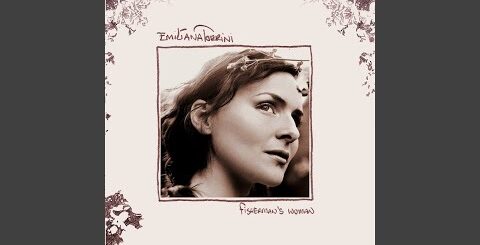
To Be Free by Emiliana Torrini Lyrics Meaning – Unraveling the Journey of Self-Discovery
Lyrics
A boy got angry
He broke into my heart
For a day and a night
I stayed beside him
Until I had no hope
So I came down the hill
Of course I was hurt
But then I started to think
[Chorus]
It shouldn’t hurt me to be free
It’s what I really need
To pull myself together
But if it’s so good being free
Would you mind telling me
Why I don’t know what to do with myself
There’s a bar by the dock
Where I found myself
Drinking with this man
He offered me a cigarette
And I accepted
‘Cause it’s been a very long time
As it burned ’till the end
I thought of the boy
No one could ever forget
[Chorus]
To pull myself together
But if it’s so good being free
Would you mind telling me
Why I don’t know what to do with myself
To pull myself together
But if it’s so good being free
Would you mind telling me
Why I don’t know what to do with myself
In the intricate landscape of modern music, few songs delve as poetically into the human experience as Emiliana Torrini’s ‘To Be Free.’ With its haunting melody and introspective lyrics, the song captures the essence of personal transformation and the paradoxes found within the concept of freedom.
The Icelandic siren, Torrini, known for her ethereal voice and emotionally potent songwriting, invites us on a voyage through the heart’s murkiest waters, emerging into the clarity of self-realization. It’s a soulful reckoning with liberation’s true cost and the echoes of past attachments that shape our path to independence.
The Boy on the Hill: A Metaphor for Lost Love
Torrini opens with a heart-wrenching scene—a boy on a hill who ‘broke into my heart.’ This evocative imagery sets the stage for a narrative that wrestles with the remains of a fractured relationship. Her intimate portrayal of staying ‘beside him’ until hope fades articulates the relentless grip of an enduring connection.
The descent from the hill not only represents the physical act of leaving but also marks the emotional journey from naivete to a bruised realism. Despite the pain, this seminal moment is indispensable, acting as a catalyst for self-reflection and a declaration that the pain inflicted shouldn’t deter one’s pursuit of freedom.
The Dichotomy of Freedom: An Illusion Unveiled
Torrini’s chorus serves as a powerful mantra, highlighting the irony at the core of her message—’It shouldn’t hurt me to be free.’ The juxtaposition of hurt and freedom challenges the simplistic notion that liberation from a toxic relationship is an unambiguously joyful event.
By repeating the line ‘But if it’s so good being free,’ she underscores the dissonance between societal expectations of newfound independence and the inner turmoil that follows unexpected solitude. Through the elegance of her chorus, Torrini asks a question central to the human condition: why does the path to self-reliance leave us at a crossroads, uncertain of our next move?
The Smoky Interlude: A Dive into Temporary Escapes
The haze of a waterfront bar with its transient camaraderie serves as a fleeting haven for the song’s protagonist. Accepting a cigarette from a stranger symbolizes the ephemeral distractions we seek in hope of numbing our sorrows, set against the relentless pursuit of self-preservation.
As the cigarette burns down, so too does the illusion of escape; the memories of the boy intrude once more. Torrini brilliantly captures this moment of poignant reverie where, despite her attempts to move on, the specter of the past proves inescapable, perhaps hinting at the necessity of facing our grief head-on.
Discovering What To Do With Oneself Post-Liberation
Torrini doesn’t profess to have all the answers. Instead, she implores her listeners to understand that the path to self-identity following a period of captivity—emotional or otherwise—is labyrinthine and devoid of a clear roadmap.
The song becomes an anthem for those who find themselves in the void of directionless freedom. Through repeated questioning and lyrical pondering, Torrini encapsulates the sense of aimlessness that can strike when the bonds that once defined us are severed.
The Hidden Meaning: A Testament To Human Resilience
Beneath the vivid lyrical narrative, ‘To Be Free’ harbors a deeper symbolism—a testament to resilience. The song echoes the reality that personal change often comes laden with discomfort, yet the ability to face this discomfort is intrinsic to growth and empowerment.
Emiliana Torrini’s subtle insistence that it ‘shouldn’t hurt me to be free’ betrays a truth known to many: it often does hurt, and paradoxically, it is through this hurt that we truly find freedom. ‘To Be Free’ ultimately serves as a bittersweet ode to the arduous journey of becoming whole, standing proudly as a beacon of hope for all navigating the murky waters of self-discovery.