To Just Grow Away by The Tallest Man on Earth Lyrics Meaning – Unraveling the Metaphors in Melodic Poetry
Lyrics
A confusing trade
To burn the ore
To shape a blade
Then to swing it low
Beginners fate
To lose a skin
To just grow away
Like a rain, to help a river
But a river so hard to please
But I’ve grown to see the diamonds
You’ve thrown in just for me
We spent so many nights
Just gathering stones
The silver tears
Old sapphire bones
All the copper leaves
Then dreamt, now true
Look how they find their path
To cut right through
Like a rain, to help a river
But a river so hard to please
But I’ve grown to see the diamonds
You’ve thrown in just for me
Look when your hopeless child will figure
There are moments when hope’s not
Only real when flagging far down a road
With an armful broken arrows
And no hand free for the bow
Your kid will lose a battle
But your ways
Will let him go
I lose my wish to drown
And aimless flee
What you’ve thrown to lose
Is still right here with me
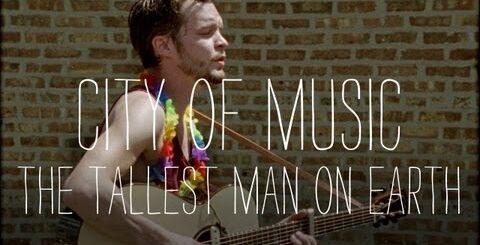
Within the intricate tapestry of folk music, The Tallest Man on Earth weaves a narrative of growth and healing in the song ‘To Just Grow Away.’ Kristian Matsson, the soul behind the moniker, is renowned for his resonant lyrics and haunting acoustics. In this track off his 2012 album ‘There’s No Leaving Now,’ Matsson explores the theme of transformation through vivid imagery and poignant metaphors.
Emanating a raw and evocative sound, ‘To Just Grow Away’ takes listeners on a journey of self-discovery and resilience. Matsson’s poignant storytelling not only entices the ear but also beckons a deep dive into the well of existential meaning encased within his words. Here, we peel back the layers of this lyrical enigma and harvest the essence seeded in every line.
Growth Through Adversity: The Fabric of Resilience
The initial imagery of ‘melting ruby hearts’ blended with the stark act of creating a weapon encapsulates the paradox central to ‘To Just Grow Away.’ The process of growth Matsson sings about necessitates a forging through fire, a transformation that is at once destructive and creative. It is the willing acceptance of loss – the shedding of a former self – to emerge sharpened, readied for the battles ahead.
Matsson couches this evolution in terms of a novice’s fate, a beginner who must lose their ‘skin,’ a metaphor for innocence or naivety, to effectively ‘grow away’ from previous limitations. The ‘beginner’s fate’ is a universal stage, a reminder that personal development often stems from discomfort and trial.
A Symphony of Stones: The Weight of Emotional Baggage
The ‘gathering stones’ stanza is rife with images of burdensome emotions – silver tears, sapphire bones, copper leaves – elements that are weighty remnants of past experiences. The allusion to precious materials suggests that within the heavy, sometimes painful, accumulation of life’s trials lies concealed value.
Matsson then shifts into a tone of realization and acceptance as these heavy elements ‘dreamt, now true,’ find their own way ‘to cut right through.’ The stones, once a mere collection of reminisces, actively carve their own stories, imprinting on life the wisdom earned from the weight they carry.
The River’s Dissatisfaction: An Allegory of Inner Peace
Throughout the chorus, Matsson returns to the conflicting relationship between the rain and the ‘river so hard to please.’ This imagery evokes an allegory for the internal struggle to find satisfaction and contentment. Despite the rain’s nourishment, the river, representing the individual’s core, remains difficult to quench.
But there comes a point in Matsson’s journey where he ‘grows to see the diamonds’ amidst the unyielding current – a realization that within the toiling, there are gifts to be embraced. The obstacles faced and sacrifices made have embedded within them moments of beauty, unexpected treasures ‘thrown in just for me.’
Broken Arrows and the Freedom of Letting Go
Matsson introduces the image of a ‘hopeless child,’ burdened with broken arrows and incapable of using a bow. It’s a powerful metaphor for the younger self, laden with ideals and aspirations that have yet to find their mark. Yet, this vignette isn’t just about failure; it’s about the liberation that comes from accepting defeat and moving forward unencumbered.
The passage suggests a compassionate release, a notion that through the acknowledgement of one’s limitations and the surrender of certain dreams, one can find a different, perhaps more achievable, path. This is the ‘way’ the songwriter imparts, a method of growth that embraces failure as a precursor to success.
Finding Solace in the Echoes: Memorable Lines and Their Resonance
Lyrics like ‘What you’ve thrown to lose, Is still right here with me’ resonate as an anthem for survivors. There’s an understanding that although one may let go of countless aspirations, the essence of those lost endeavors persists. They become part of one’s story, shaping character, and, ironically, contributing to the very growth one seeks.
This line, and others within the song, ripple with the assurance that even when one shuns the urge ‘to drown’ or ‘aimless flee,’ what’s left behind remains a valuable guide. The poignant clarity of Matsson’s message speaks to the universal experience of growth through loss, and offers listeners a mirror to their own resilience.