Uncle Remus by Frank Zappa Lyrics Meaning – Unmasking Satirical Social Commentaries
- Music Video
- Lyrics
-
Song Meaning
- The Satirical Wit of Zappa: A Juxtaposition of Fashion and Oppression
- From Grindstones to Fro’s: The Pursuit of Identity and Autonomy
- BEVERLY HILLS at Dawn: Toppling Symbols of Wealth and Power
- Seeking Redemption Through Defiance: The Hidden Meaning of Uncle Remus
- Memorable Lines and the Dew of Subversion: Analyzing Zappa’s Lyrical Craft
Lyrics
Have you seen us,
Uncle Remus . . .
We look pretty sharp in these clothes (yes, we do)
Unless we get sprayed with a hose
It ain’t bad in the day
If they squirt it your way
‘Cept in the winter, when it’s froze
An’ it’s hard if it hits
On yer nose
On yer nose
Just keep yer nose
To the grindstone, they say
Will that redeem us,
Uncle Remus . . .
I can’t wait till my Fro is full-grown
I’ll just throw ‘way my Doo-Rag at home
I’ll take a drive to BEVERLY HILLS
Just before dawn
An’ knock the little jockeys
Off the rich people’s lawn
An’ before they get up
I’ll be gone, I’ll be gone
Before they get up
I’ll be knocking the jockeys off the lawn
Down in the dew
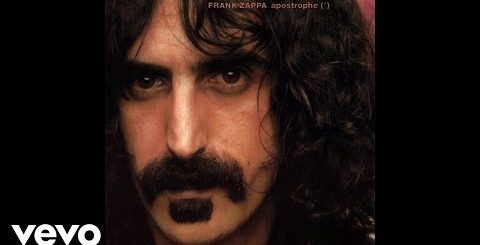
Frank Zappa, a name synonymous with musical experimentation and biting satire, remains a towering figure in the annals of rock history. ‘Uncle Remus,’ a track from his 1974 album ‘Apostrophe (‘)’, co-written with George Duke, stands out as a multifaceted gem that continues to provoke thoughtful analysis and interpretation. Behind the seemingly jocular tone, Zappa’s sharp wit slices through the façade of societal norms, exposing raw nerves and uncomfortable truths.
Interlacing complex musicianship with incisive lyrics, Zappa spins a yarn that is as relevant today as it was in the tumultuous milieu of the 70s. This tune is not just a series of catchy phrases but a narrative rich with allegory and symbolism related to race, class, and the American Dream. Let’s don our critical thinking caps and delve into the layers of meaning that ‘Uncle Remus’ presents.
The Satirical Wit of Zappa: A Juxtaposition of Fashion and Oppression
At first listen, ‘Uncle Remus’ presents a colorful tableau of pithy remarks about fashion statements—”We look pretty sharp in these clothes.” However, this surface level vanity quickly recedes as the specter of social injustice rears its head. The mention of getting sprayed with a hose, a probable nod to civil rights protesters being hosed by authorities, transforms stylish attire into symbols of subjugation and struggle.
Zappa’s acerbic humor is evident as he weaves a dichotomy of the trivial and the severe, forcing the listener to recognize the absurdity of valuing appearances when basic dignities are being violated. The juxtaposition paints a grotesque image: looking ‘sharp’ while enduring societal ‘riots’ of injustice.
From Grindstones to Fro’s: The Pursuit of Identity and Autonomy
The directive to “Just keep yer nose to the grindstone” underscores a common adage about perseverance and hard work. Yet here, it’s laced with irony. Zappa seems to question whether this nose-to-the-grindstone work ethic can truly redeem the oppressed, a subtle commentary on the American promise of upward mobility that often fails to materialize for people of color.
When juxtaposed with the lyric about waiting for his ‘Fro to be full-grown, it becomes a potent expression of black cultural pride and self-determination in an era when Afrocentric fashion made a statement against the status quo. Tossing away the ‘Doo-Rag,’ an emblem of imposed standards, in favor of a ‘Fro, symbolizes a rejection of an oppressive dominant culture in favor of authentic self-expression.
BEVERLY HILLS at Dawn: Toppling Symbols of Wealth and Power
The climax of the song features a trip to BEVERLY HILLS, the very bastion of wealth and exclusivity. Here, Zappa draws a line in the manicured lawns between the haves and the have-nots. The act of knocking ‘the little jockeys off the rich people’s lawn’—a likely reference to kitsch lawn jockey statues that historically caricatured African Americans—symbolizes a rebellion against entrenched racial stereotypes and economic disparities.
Zappa’s character isn’t just upending jockeys; he’s challenging systemic inequities. By doing so ‘before they get up,’ he suggests that subversion of the social order often occurs silently and cleverly, catching the ‘sleeping’ elite off guard.
Seeking Redemption Through Defiance: The Hidden Meaning of Uncle Remus
The character of Uncle Remus, borrowed from Joel Chandler Harris’s Antebellum folktales, has long been a controversial figure, seen by some as a perpetuator of offensive stereotypes. Zappa reconfigures Uncle Remus as a knowing observer, someone who has borne witness to both the absurdity and inhumanity of racial inequality.
The search for redemption in the song is not through compliance with societal norms but through conscious defiance. Zappa suggests that there’s a gnawing need to dismantle systemic prejudice from the inside out, which may not provide immediate salvation but plants the seeds for eventual cultural and social redemption.
Memorable Lines and the Dew of Subversion: Analyzing Zappa’s Lyrical Craft
Zappa’s fusion of the whimsical with the satirical lends ‘Uncle Remus’ its enduring power. The line ‘Before they get up, I’ll be gone, I’ll be gone,’ echoes the stealth with which change can be enacted. But the true clincher comes with ‘Down in the dew,’ a seeming throwaway phrase that encapsulates the entire song’s message.
The ‘dew’ could be interpreted as both a veil of innocence and the freshness of rebellion. It represents the early hours of transformation and the unseen labor that goes into affecting change. In this way, ‘Uncle Remus’ isn’t just a set of clever lines but a rallying cry for those who seek to challenge the status quo under the cover of society’s ‘morning dew.’