Whole Lotta Shakin’ Going On by Jerry Lee Lewis Lyrics Meaning – Unraveling the Rock & Roll Revolution
Lyrics
Yes I said come on over, baby, baby, you can’t go wrong
We ain’t fakin’ a whole lotta shakin’ goin’ on
Well, I said come on over, baby, we got chicken in the barn
Come on over, baby, babe, I got the bull by the horns
We ain’t fakin’, a whole lotta shakin’ goin’ on
Well, shake, baby, shake
I said shake, baby, shake
I said shake it, baby, shake it
Well shake, baby, shake
Come on over, whole lot of shakin goin’ on
Ah let’s go
Well, come over, baby, we got chicken in the barn
Whose barn, what barn, my barn
Come on over, baby, better got your bull by the horn
We ain’t fakin’, whole lot of shakin’ goin’ on
Easy now
Shake it, oh, shake it, baby
Yeah, you can shake one time for me
Well, I said on come over, baby, whole lot of shakin’ goin’ on
Now let’s get real low one time now
Shake, baby, shake
All you gotta, honey, is kinda stand in one spot
Wiggle around just a little bit
That’s what you gotta do, yeah
Ooh, babe, whole lotta shakin’ goin’ on
Now let’s go one time
Shake it, babe, shake it
Shake it, babe, shake
Shake it, babe, come on, babe
Shake it, babe, shake it
Come on over, whole lotta shakin’ goin’ on
When Jerry Lee Lewis unleashed ‘Whole Lotta Shakin’ Going On’ onto the airwaves in 1957, he not only established his place in the rock & roll pantheon but also encapsulated an era of seismic cultural shifts. The song’s pounding piano and exuberant vocals were more than a mere backdrop for teenage revelry; they were a metaphor for the transformative changes sweeping across a post-war society.
Beyond its infectious rhythm and shake-rattle-and-roll exhortations, ‘Whole Lotta Shakin’ Going On’ operated on multiple levels of meaning, from its risky innuendos to its representation of a burgeoning youth identity. Its seemingly straightforward lyrics belied a complexity that would go on to influence both the music and cultural landscapes for decades.
Igniting the Jukebox Rebellion
At first listen, the song’s directive to ‘shake, baby, shake’ is a call to dance, an invocation of the uninhibited gyrations that characterized the rockabilly dance floors of the 1950s. However, this was more than just a dance craze; it was a form of protest. The teens of the era used the dance floor as a battleground to challenge the rigidity and conservatism of their parents’ generation.
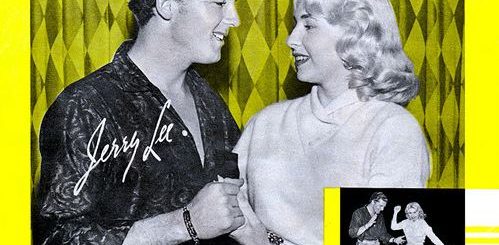
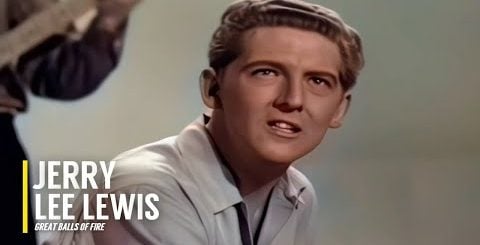
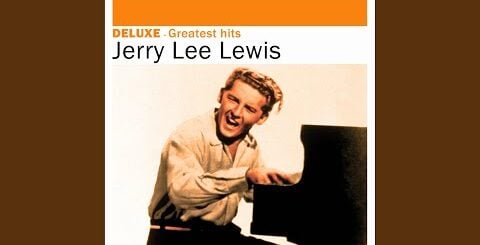
Jerry Lee Lewis himself was an embodiment of this rebellion, with a performance style that was raw and unapologetically flamboyant. Through his fervent pounding of the keys and energetic stage antics, he gave voice and validation to the restive impulses of youth seeking liberation from societal norms.
The Double Entendre Dance
The song teeters on the brink of propriety, flirting with themes of sexuality that were, at the time, only whispered about. ‘We ain’t fakin’, a whole lotta shakin’ goin’ on’—the lyrics play coyly with the idea of shaking as both a physical and suggestive act, embodying the growing sexual freedoms of the time.
Each ‘shake’ is a risqué wink to the listener, a knowing nod to the sexual innuendos that were beginning to permeate popular culture. In straddling the line between the explicit and the implicit, the song became an anthem for those eager to explore the newfound openness surrounding discussions and expressions of sexuality.
The Cultural Earthquake
Peeling back the veneer of rock & roll revelry, the song reflects significant societal changes—the ‘shakin” acting as a metaphor for the political, cultural, and technological upheavals of the time. The Civil Rights Movement, the birth of the teenager, and the explosion of mass media were all part of the great shake-up that Lewis’s song symbolically referenced.
If the 1950s was the decade that America redefined itself, ‘Whole Lotta Shakin’ Going On’ was its raucous soundtrack. It wasn’t just about the shaking of bodies on the dance floor; it was about shaking up the status quo, shaking off the cobwebs of conformity, and shaking loose the chains of outdated mores.
A Phrase That Echoes Through Time
‘Come on over, baby, whole lotta shakin’ goin’ on’—these words resonated beyond the realm of music, capturing the zeitgeist of the era. They were a siren call to youthful exuberance, an enticement to partake in the cultural revolution brewing beneath the surface of American life.
Over time, the phrase has grown to signify more than just an invitation to dance; it has become a timeless rallying cry for change, for pushing boundaries, and for unbridled celebration of the spirit of the times.
The Hidden Meaning Behind The Boogie
While the song initially comes across as a straightforward rock & roll number instructing listeners to dance and have a good time, there hides a layer of subtext that alludes to individual expression and defiance against oppressive norms. ‘A whole lotta shakin’ goin’ on’ can be interpreted as a call to not only shake one’s body but also to shake up society, challenge the expectations, and spark a revolution of thought and behavior.
‘Easy now, shake it’ whispers a reminder that, sometimes, revolution doesn’t have to be a loud, aggressive overthrow, but can start with a simple, subversive act that gains momentum—much like how the simple act of dancing can be seen as a rejection of restraint and a celebration of freedom.