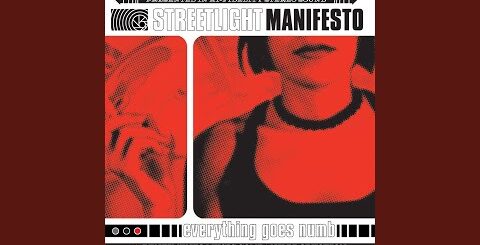
Would You Be Impressed by Streetlight Manifesto Lyrics Meaning – Decoding the Anthemic Cry for Accountability
Lyrics
And every cure they gave us was a lie?
Oh! They mean it when they say we’re dead and doomed
And every single symptom brings us closer to the tomb
And who will take the credit for our swift impending fall
Because it’s not my fault
Would you be impressed if I said that the dead would help us counting
Every single moment that we waste our time?
All the time we’re spending vaccinating this disease
I just get dizzy when I think of all the ways we try to hide our maladies
We wine (we wine), we dine (we dine), and everything is fine
Because it’s not my fault
Now you’re upset because you finally got the notion
That everything you had is spinning down the drain
Oh! Do you mean it when you beg and pray and plead?
Your “Giveittomegiveittomegiveittomegiveittome all those things we need”
And what, pray tell, will you whimper when your number will be called
You’ll say “It’s not my fault”
Go! Now! The others they’ll await you
And every single one among the lot of you will have your turn
Ai Ai Ai Oh Oh OH
Like moths that fly into the flame it always ends up so
You scream: “Not me! Take anybody else!
Because it’s not my fault!”
I had a dream last night where everyone was trying
Subconsciously I knew it was a lie
And when I woke I knew it was time to pray
To make amends before the end, before my judgment day
I looked around, I stood alone, I knew what I had to say
I said “It’s all my fault”
Streetlight Manifesto’s ‘Would You Be Impressed?’ isn’t simply a ska-infused punk anthem that gets the blood pumping indiscriminately. Closer inspection reveals a tapestry woven with philosophical threads that challenge the listener’s personal accountability amid a societal downfall.
Beyond its infectious horns and an invigorating beat, the song prompts a profound introspection about the part we all play in the collective spiral of humanity. This isn’t just a track to skank to; it’s a musical journey into the heart of existential responsibility.
A Siren Call in a Dystopian Soundscape
The song opens with a haunting proposition, asking if we’d be upset upon learning of our impending demise. The ‘cure’ we’ve been sold is a falsehood, a poignant metaphor for society’s false promises and the hollow remedies it offers for deeper systemic issues. Streetlight Manifesto presents this motif not to revel in nihilism but to underscore a sense of urgency.
This urgency extends beyond mere survival—it’s a clarion call for cognizance. The tune’s urgent upstrokes mirror the frantic, often futile, scramble for solutions, acting as a musical embodiment of the chaos described in the lyrics.
A Refrain of Denial Meets the Choir of Accountability
The recurrent theme ‘it’s not my fault’ is an anthem of denial—a catchphrase for the blameless. Streetlight Manifesto satirically highlights the all-too-human tendency to deflect responsibility. The horns grow bolder with each refrain, mocking the obstinate refusal to accept culpability.
But in a twist, the song’s climax flips the script. The dream sequence strips away the collective obfuscation, culminating in a stark self-realization: ‘I said it’s all my fault.’ It’s an epiphanic moment where blame is owned, and true growth can begin. The song unleashes a pivotal crash, both in its sound and its message.
‘The Dead Would Help Us Counting’: The Song’s Hidden Meaning Unveiled
At first glance, the lyrics ‘the dead would help us counting’ may read as cryptic, even morbid. Delve deeper, and it becomes a somber meditation on mortality and the wisdom of hindsight. The dead, undistracted by the follies of the living, become the symbolic accountants of wasted human potential.
It’s a sobering thought experiment—what if we could see through the afterglow, tallying every misstep with the unblinking eyes of those who’ve gone before? The line, far from being macabre, is a call to live with the end in mind, to cherish every tick of the clock not as time spent but as time invested.
Amidst Despair, A Dizzying Array of Distractions
The lyrics adeptly capture a society inebriated with distractions: ‘We wine, we dine, and everything is fine.’ It’s the opiate of the masses, as Streetlight Manifesto illustrates how we anesthetize our concerns with endless amusement. The music’s frenetic tempo mimics this diversion, leading us through a dance of denial.
But the band doesn’t leave us in the darkened ballroom of ignorance. Each stanza peels back the veneer of hedonism to reveal the looming questions beneath. What happens when the music stops, and we’re left with our own reflection in the empty glass?
Charting the Course from Deflection to Reflection
The course of the song mirrors a journey from finger-pointing to soul-searching. As listeners, we’re guided by the brassy heralds and rhythmic shifts from the tirades of blame to the shores of self-assessment. The song’s transformation is our own as we’re gently, yet inexorably, nudged from passivity to introspection.
Streetlight Manifesto’s ‘Would You Be Impressed?’ serves as more than just an auditory experience—it’s an invitation to wrestle with our innermost convictions. The hard-hitting lines and evocative melodies are a backdrop for a reflective process that challenges us to take an unflinching look at our role in the grand tableau of life.