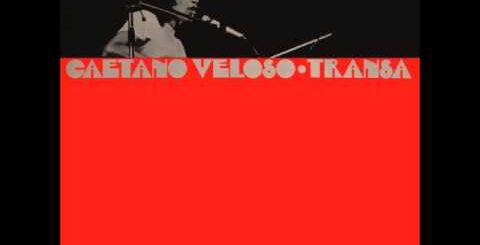
You Don’t Know Me by Caetano Veloso Lyrics Meaning – Unraveling the Enigma Behind the Melodic Disguise
Lyrics
Bet you’ll never get to know me
You don’t know me at all
Feel so lonely
The world is spinning round slowly
There’s nothing you can show me
From behind the wall
Show me from behind the wall
Show me from behind the wall
Show me from behind the wall
You don’t know me
Bet you’ll never get to know me
You don’t know me at all
Feel so lonely
The world is spinning round slowly
There’s nothing you can show me
From behind the wall
Show me from behind the wall
Show me from behind the wall
Show me from behind the wall
Show me from behind the wall
Show me from behind the wall
Why don’t you show me from behind the wall
Nasci lá na Bahia de mucama com feitor
O meu pai dormia em cama, minha mãe no pisador
Laia ladaia sabadana Ave Maria
You don’t know me
Bet you’ll never get to know me
You don’t know me at all
Feel so lonely
The world is spinning round slowly
There’s nothing you can show me
From behind the wall
Show me from behind the wall
Show me from behind the wall
Show me from behind the wall
Why don’t you show me from behind the wall
Show me from behind the wall
Show me from behind the wall
Show me from behind the wall
Laia ladaia sabadana Ave Maria
Laia ladaia sabadana Ave Maria
Laia ladaia sabadana Ave Maria
Eu agradeço ao povo brasileiro
Norte, centro, sul inteiro
Onde reinou o baião
Eu agradeço ao povo brasileiro
Norte, centro, sul inteiro
Onde reinou o baião
Brazil’s iconic singer-songwriter Caetano Veloso, with a career spanning decades, is no stranger to weaving intricate tapestries of sound and emotion. In ‘You Don’t Know Me’, Veloso offers a cryptic hymn of identity, separation, and a hidden depth that begs the listener to dive beneath its surface. The track is a tantalizing enigma, its meaning obscured like a secret whispered across a divide.
This piece is not simply a melody; it is a plea, a declaration, and a sigh, beautifully interwoven with cultural roots that extend deep into the heart of Brazil. Through its repetition and poignant lyrics, Veloso challenges audiences to understand the walls we build between ourselves and the truths we can’t or won’t acknowledge.
The Labyrinth of Loneliness
Central to ‘You Don’t Know Me’ is an exploration of loneliness—a feeling of cosmic isolation that does not simply speak to physical solitude but to a profound disconnection from others. Veloso threads this sense of solitude throughout the song, reinforcing the idea that understanding between individuals can often feel like an insurmountable wall.
This loneliness is poetic yet personal. As Veloso repeats the titular phrase, it becomes a mantra that encapsulates the feeling of being unknown and unknowable—a sentiment that resonates universally, transcending language and culture.
Behind the Wall: The Song’s Hidden Meaning
The wall mentioned in the song is a poignant metaphor, standing for the barriers that prevent true communion between peoples, cultures, and even within oneself. Veloso invites the listener to peer ‘behind the wall,’ to see beyond preconceptions and to understand the condition of being unseen and misunderstood.
Delving further, the wall can also represent the historical and socioeconomic divides within Brazil itself, a nation with a complex tapestry of ethnicities and social classes, hinted at with the Portuguese lyrics that nod to Brazil’s colonial past.
A Slow-Spinning World in Melodic Reverie
The song’s instrumentation swirls like the ‘world spinning round slowly’ mentioned in the lyrics, providing a backdrop that feels as if time itself is stretching and contracting. The deliberate pacing of the song emphasizes introspection, and the melancholy it evokes invites the audience to spin within Veloso’s lonely world.
Veloso’s choice of cadence expertly complements the lyrics’ theme of disconnect, mirroring the feelings of detachment and the longing for a sense of being known and understood.
Memorable Lines: Echoing the Cry of the Soul
‘Nasci lá na Bahia de mucama com feitor’ – these lyrics, sung in Portuguese, translate roughly to ‘I was born in Bahia of a maid with a foreman.’ These words open a window into Veloso’s heritage, highlighting the mingling of identities, and infuse the song with a poignancy that harkens to a collective historical memory.
This blending of personal and cultural narratives embodies the song’s wider commentary on identity and recognition, enforcing the idea that without acknowledgment of our most essential selves, both individually and communally, we remain perpetually unknown.
Gratitude and Cultural Acknowledgement
The ending of the song shifts from a solitary introspection to a broader social acknowledgment, as Veloso thanks the Brazilian people across all regions where ‘baião’—a rhythm and dance from the Northeast of Brazil—reigned. It is a moment of both pride and gratitude for the rich cultural contributions that define Brazilian music.
This shift in tone does not negate the song’s underlying theme of detachment but rather enriches it—suggesting that despite barriers and misunderstandings, there is still beauty in the collective and a power in the shared aspects of cultural identity and heritage that bind us together.