You Were But a Ghost in My Arms by Agalloch Lyrics Meaning – The Haunting Elegy of Melancholic Transcendence
Lyrics
Your tears paint rivers on this oaken wall
Amber nectar, misery ichor
Cascading in streams of hallowed form
For each stain, a forsaken shadow
You are the lugubrious spirit
Etched in the oak of wonder
You are the sullen voice and silent storm
Each night I lay
Awakened by her shivering silent voice
From the shapes in the corridor walls.
It pierces the solitude like that of a distant scream
In the pitch-black forest of my delusion
With each passing day, a deeper grave
“Why did you leave me to die?”
“Why did you abandon me?”
“Why did you walk away and leave me bitterly yearning?”
Her haunting, contorted despair was etched into the wood’s grain
Though fire rages within me, no fire burns fiercer than her desire
The shape whispers my name
I damn this oak!
I damn her sorrow!
I damn these oaken corridors
That bear the ghosts of those I’ve thrown away!
Though tempted I am to caress her texture divine
And taste her pain sweet, sweet like brandy wine;
I must burn these halls, these corridors
And silence her shrill, tormenting voice
Forever
Like snowfall, you cried a silent storm
No tears stain this dust in my hands
But from this ashen gray, her voice still
Whispers my name
You were the lugubrious spirit
Who haunted the oak of wonder
You were the geist that warned this frozen silent storm
You were but a ghost in my arms
Agalloch’s ‘You Were But a Ghost in My Arms’ is a masterful tapestry of emotion, merging the dark allure of black metal with the introspective depth of doom folk. The song, a vignette of sorrow and loss, tugs at the seams of the human soul, weaving a narrative both ethereal and intense.
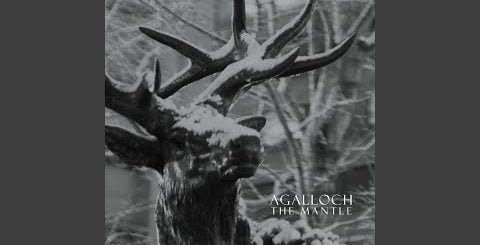
This track from their 2002 album ‘The Mantle’ exemplifies the art of storytelling through music, as it captures the listener in a chasm of haunting metaphor and chilling musicianship. Let us unfold the layers of this poignant composition and discover the underlying profundity of its somber lyrics.
A Symphony of Sorrow: The Sonic Landscape of Regret
Agalloch orchestrates a dirge for the departed, where the instrumental arrangement complements the lyric’s cold embrace. The gradual build-up of guitars, alongside sorrowful cries, mirrors the creeping realization of loss—a spiritual death presided over by the very arms that once held warmth.
The song’s structure mimics the ebb and flow of grief: at times, tender and reflective, and at others, raw and unyielding. As the melody crescendos, it embodies the turmoil that accompanies the act of letting go, the crescendo being an auditory reflection of inner chaos.
Etchings in Oak: A Narrative of Eternal Haunting
The lyrics conjure images of a protagonist haunted by the memory of a lost love, now nothing more than a ghost in his arms. Each stanza is a brushstroke that paints the lamentation, the ‘oaken wall’ an eternal monument to unyielding memory.
The repeated references to wood—its texture, grain, and corridors—suggest a permanence to this spectral presence. This motif of stubborn remembrance underscores the track’s thematic core: grief’s power to indelibly mark our very essence.
The Hauntingly Memorable Lines: An Examination
Agalloch’s music is often lauded for its evocative lyricism and ‘You Were But a Ghost in My Arms’ is no exception. ‘You are the sullen voice and silent storm’ encapsulates the duality of grief—it is at once a thunderous tumult and a quiet, lingering presence that we cannot escape.
The desperate inquiries, ‘Why did you leave me to die?’ reflect not only a plea to the departed but also a cry to the universe, an attempt to find reason in the unreasonable darkness of absence.
The Fire Within: Destruction as a Means to Silence
The protagonist’s inner turmoil rages like a fire, one that ultimately seeks to incinerate the ‘oaken corridors’ of his mind. This violent yearning to silence her ‘shrill, tormenting voice’ forever hints at a destructive path to mental peace, suggesting a broader contemplation on the extremes one might contemplate to quell emotional pain.
However, destruction isn’t presented merely as a solution; it’s also symbolic of self-immolation. In the act of burning down the haunting memories, the protagonist risks destroying a part of himself, perhaps the only part still vividly touched by love.
Unearthing the Hidden Spiritual Dialogue
Beneath the melancholic surface, Agalloch breathes life into an esoteric conversation about spirit and existence. Is the ghost an external specter, or a fragment of the protagonist’s own spectral being, struggling for release from the torment of earthly bonds and past attachments?
The whisper of the name in the ashen dust is a chilling reminder that even as the physical world declines, the spectral voice—the essence of what was lost—perseveres. The song becomes not just a narrative of personal sorrow, but a reflection on the nature of human spiritual continuity.