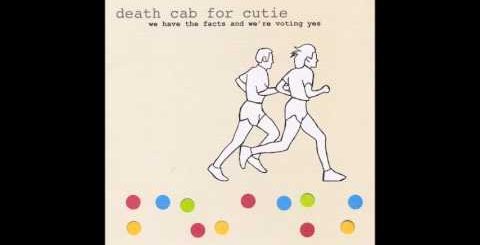
Your Heart Is an Empty Room by Death Cab for Cutie Lyrics Meaning – Unveiling the Depths of Solitude and Liberation
Lyrics
And start new when your heart is an empty room
With walls of the deepest blue
Home’s face
How it ages when you’re away
And spring blooms and you find a love that’s true
But you don’t know what now to do
‘Cause the chase is all you know and she stopped running months ago
And all you see is where else you could be when you’re at home
And out on the street are so many possibilities to not be alone
The flames and smoke climbed out of every window
And disappeared with everything that you held dear
But you shed not a single tear
For the things that you didn’t need
‘Cause you knew you were finally free
‘Cause all you see is where else you could be when you’re at home
And there on the street are so many possibilities to not be alone
In the subdued soundscape of Death Cab for Cutie’s discography, ‘Your Heart Is an Empty Room’ burns with a quiet intensity. The song, a penetrating examination of the hollows left by ended relationships and the paradoxical freedom that follows, weaves a poignant narrative often overshadowed by the band’s more renowned tracks.
Like an echo in an abandoned chamber, the lyrics resonate with the loneliness of realization and the bittersweet liberation of letting go. This analysis digs beneath the surface of Ben Gibbard’s lyricism, exploring the nuanced emotional geometry of one’s search for love, belonging, and ultimately, self-discovery.
Igniting the Embers of the Past: A Metaphor for Moving On
The evocative imagery of ‘burning it down’ sets ablaze our prior convictions of love and comfort. The opening lines bear witness to the destructive, yet cleansing power of fire. It’s a thematic purge of the old to make way for the rejuvenation that follows a devastating loss—a necessary devastation implied by the very embers left smoking on the ground.
The idea of an ’empty room’ as a heart stripped bare suggests a profound emptiness but also a vessel awaiting new occupancy. Within the ‘walls of the deepest blue’, the song encapsulates both the depths of despondency and the vast potential of the unclaimed space—a stark canvas upon which a new narrative can be painted.
The Static House and the Dynamic World: A Contrast in Stability
As the song progresses, we confront the imagery of a home—a static entity which ‘ages when you’re away.’ It’s an allegory for the stationary aspects of life that contrast sharply with the constant motion of personal growth and change. The home stands still, but the self does not, straining against the inertia of what once was.
The eventual ‘bloom’ of spring suggests a timeline for recovery and rebirth. Yet the newfound love is paired with an unfamiliar paralysis, where the thrill of the pursuit has vanished. It’s a poignant reminder of the dual nature of comfort: the tranquility that heals but also the eerie silence that ensues when the chase ceases.
Deciphering the ‘Many Possibilities’: The Song’s Hidden Meaning
Amidst the lyrics, there lies a deeper, more existential exploration of self and place. ‘All you see is where else you could be when you’re at home,’ shines a light on the restless human condition—the proverbial grass that always seems greener on the unfamiliar side.
Each street corner, each unknown face, holds a potentiality to ‘not be alone.’ But such myriad possibilities also underscore the central theme of choice and its role in sculpting our internal and external landscapes. The song entreats the listener to confront the paralysis of infinite choice, hinting at the inherent loneliness in seeking a different what-if at every turn.
A Tale of Flames and Freedom: The Evocative Power of Loss
The imagery of fire reemerges, this time consuming ‘everything that you held dear.’ But unlike expected grief, the protagonist ‘shed not a single tear.’ The vivid descriptions portray loss as a transformative force—destructive, yes, but also a means to realize which attachments were superficial and which cut to the core.
The refrain that follows, ‘but you knew you were finally free,’ reframes traditional narratives of heartbreak, opting instead for the acknowledgment that with every departure there is an arrival—towards a state of liberation where the weights of previous attachments have been incinerated.
Memorable Lines Etched in Heartache and Hope
The melancholic beauty of Gibbard’s songwriting is epitomized in lines such as, ‘And out on the street are so many possibilities to not be alone.’ It’s a lyric that echoes with the loneliness intrinsic to a multitude of life’s crossroads—reflecting the human yearning for connection and the dread of isolation.
Another striking sentiment—’the chase is all you know, and she stopped running months ago’—captures the inertia of a one-sided pursuit, cold in the wake of a partner who has long moved on. These phrases don’t just paint emotions; they sear them into the auditory landscape, etching whispers of personal longings and collective memories into the evocative tapestry of the song.