Ziggy Stardust by Bauhaus Lyrics Meaning – Unraveling the Metaphorical Labyrinth
Lyrics
And the spiders from Mars. He played it left hand
But made it too far
Became the special man, then we were Ziggy’s band
Now Ziggy really sang, screwed up eyes and screwed down hairdo
Like some cat from Japan, he could lick ’em by smiling
He could leave ’em to hang
‘Came on so loaded man, well hung and snow white tan.
So where were the spiders, while the fly tried to break our balls
With just the beer light to guide us,
So we bitched about his fans and should we crush his sweet hands?
Ziggy played for time, jiving us that we were voodoo
The kid was just crass, he was the nazz
With God given ass
He took it all too far but boy could he play guitar
Making love with his ego Ziggy sucked up into his mind
Like a leper messiah
When the kids had killed the man I had to break up the band.
Ziggy played guitar
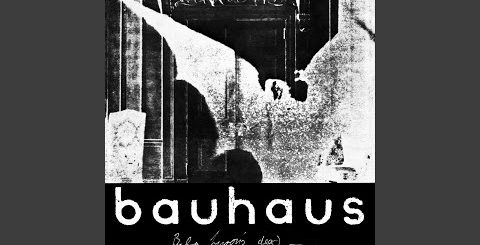
The cover of ‘Ziggy Stardust’ by Bauhaus is more than a mere reproduction; it’s a nuanced chiaroscuro of glam rock’s penultimate persona painted upon the post-punk canvas. The song, originally written and performed by David Bowie, serves not merely as a cultural touchstone but as an intricate allegory, rife with existential musings and a piercing examination of fame, identity, and the rock ‘n’ roll mythos.
As Bauhaus dons the cosmic attire of Ziggy Stardust, they entrench themselves in the intricate homage to Bowie’s spectacle. But beyond the stardust and glitter, what unravels is an explorative narrative—a journey through Ziggy’s rise and fall, encapsulating a broader reflection of the rock star as both deity and disposable commodity within the cyclical whirlwind of popular culture.
Cosmic Rock Odyssey: The Birth and Rise of Ziggy
The opening lines of ‘Ziggy Stardust’ paint a picture of an outsider turned star, a character who jams ‘good with Weird and Gilly, and the spiders from Mars.’ It’s a saga of instant recognition, capturing the frenetic pace at which Ziggy soared to unprecedented heights. His left-handed guitar prowess is symbolic, reflecting the unconventionality at the core of Ziggy’s essence and the allure that catapults him into the limelight.
As ‘the special man’ usurps the musical throne, Bauhaus breathes life into Ziggy’s grandeur with a tinge of foreboding. This ascension to stardom serves as a prelude to the inevitable descent—the classic Icarus trajectory of flying too close to the sun, veiled in the resplendent glam of rock ‘n’ roll.
An Alien Among Us: The Enigma of Ziggy’s Allure
Described with ‘screwed up eyes and screwed down hairdo,’ Ziggy’s alien magnetism surfaces—akin to ‘some cat from Japan.’ This duality of the strange and the exotic conflates allure and ambiguity. Much like his flirtatious glares and defiant stance, Ziggy’s charm resides in his ambiguous identity—a catalyst for both fascination and bewilderment.
Bauhaus captures this bridge between defiance and decadence, translating Bowie’s imagery into their own visceral auditory experience. Their Ziggy embodies the mesmerizing yet volatile nature of the rock star archetype, crafting a complex character that holds a mirror up to the audience’s own perceptions of fame and otherness.
Amidst the Stardust: The Song’s Hidden Introspection
A significant shift in the narrative arises when the lyrics pose a poignant question: ‘So where were the spiders, while the fly tried to break our balls?’ This line illustrates a sense of betrayal and disillusionment — a contemplation on the fickleness of fans and fame. Bauhaus showcases this lifetime within moments, revealing the underbelly where the art of performance becomes a trial by fire.
The introspection of Ziggy’s internal struggle resonates through Bauhaus’s rendition. This metaphorical inquiry goes beyond the music—it reflects on the nature of our societal structures and how quickly the creators can become ensnared in the very webs they weave, all illuminated by the dim ‘beer light’ of retrospection.
Staging the Voodoo: Dissecting Ziggy’s Charade
The assertion that Ziggy ‘played for time, jiving us that we were voodoo,’ strips down the artifice to reveal that Stardust was indeed a crafted persona. Yet, beneath this ‘crass’ exterior was ‘the nazz,’ a God-like figure bolstered by a divinely gifted posterior—a confluence of mockery and reverence.
In this Bauhaus reframing, Ziggy isn’t just performing; he’s questioning and involving us in the machinations of myth-making. It underscores a cultural seduction by rock icons, perpetuated through the pantomime of divinity and the inevitable demystification that occurs when that godhood erodes beneath the weight of human fallibility and industry machinations.
Memorable Lines: The Ego, the Messiah, the Endgame
‘Making love with his ego, Ziggy sucked up into his mind, Like a leper messiah.’ These lines deliver an indelible image of Ziggy’s self-consumption. Bauhaus accentuates the ironic self-worship and absorption that comes with being a rock-and-roll messiah—a figure publicly venerated yet privately ravaged by fame.
The zenith of this self-destructive adoration culminates with ‘the kids that killed the man.’ Through Bauhaus’s lens, we witness the ultimate paradox: the creator destroyed by his creation, the band disbanded by the hands that once applauded them. It’s a chilling reminder of the transient nature of stardom and the death of personas eclipsed by their own legends.