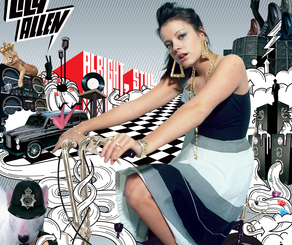
How has Lily Allen’s music evolved over the years?
Since her debut in the mid-2000s, Lily Allen’s music has seen significant evolution, both in terms of sound and lyrical content. Her early music, characterized by tracks like “Smile” and “LDN,” combined elements of pop, reggae, and ska, with lyrics that were often cheeky and playful. These songs, while light-hearted in tone, often carried deeper messages about relationships, city life, and societal observations.
As her career progressed, Allen’s music began to reflect her personal growth and the challenges she faced in her life. Albums like “Sheezus” and “No Shame” delve into more mature themes, touching on topics like motherhood, the breakdown of relationships, and the pressures of fame. The soundscapes of these albums also shifted, incorporating more electronic elements and diverse musical influences. While Allen’s earlier tracks were more pop-centric, her later music showcases a broader range of genres and a more experimental approach to songwriting and production.
Throughout her musical journey, one thing has remained consistent: Allen’s authenticity. Whether she’s singing about the highs and lows of love, commenting on societal issues, or reflecting on personal challenges, her genuine voice and unique perspective shine through, making her one of the most distinctive artists in contemporary music.