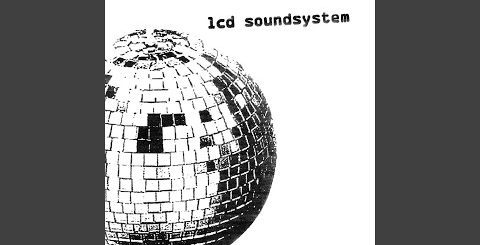
Daft Punk Is Playing At My Home by LCD Soundsystem Lyrics Meaning – Unraveling the Mystique of an Electronica Anthem
Lyrics
I’ll show you the ropes kid, show you the ropes
Got a bus and a trailer at my house, my house
I’ll show you the ropes kid, show you the ropes
I bought fifteen cases for my house, my house
All the furniture is in the garage
Well daft punk is playing at my house, my house
You got to set them up kid, set them up
[Chorus: x2]
You got to set ’em up, oh oh yeah
You got to set ’em up, oh oh yeah
You got to set them up, set them up
Well everybody’s lined up in my house, my house
And Sarah’s girlfriend is working the door
Got everybody’s PA in my house, my house
All the robots descend from the bus
There’s a freak out brewing in my house, my house
You got to set them up kid, set them up
[Chorus: x2]
And never, never let them go
No never, never, never let them go
Never, never, never let them go
Let them go
Downtown
In the grand pantheon of dance-floor bangers, few tracks capture the essence of an era like LCD Soundsystem’s ‘Daft Punk Is Playing At My House’. The song, an audacious blend of punk-funk and electronica, hits the listener like a freight train of nostalgia and pure, unadulterated cool.
But what lies beneath the pulsating basslines and James Murphy’s deadpan delivery? The track is more than just an ode to a party—it’s an artifact that encapsulates a cultural moment, a commentary on the music scene, and maybe, just maybe, it’s a deeper reflection on the psyche of a generation desperately clinging to their youth and the fleeting nature of ecstasy.
Beyond the Beat: The Cultural Tapestry of a Dance Anthem
With ‘Daft Punk Is Playing At My House’, LCD Soundsystem struck a chord that resonated far beyond a mere dance hit. It’s a narrative tethered to the DIY ethos of underground music scenes, where the impractical becomes possible through sheer willpower and a bit of luck.
This track doesn’t merely use Daft Punk’s name to evoke coolness; it captures a moment in time when bringing a superstar act into one’s living room seemed like the ultimate triumph. It harks back to a pre-social media age when such a concept was mystical, almost mythical.
A Subtle Ode to the Garage Party Gods
The lines ‘All the furniture is in the garage’ are not just throwaway lyrics; they’re a salute to every makeshift dance floor in every garage, basement, or loft. It’s here where LCD Soundsystem acknowledges a rite of passage for any reveler or budding musician—the transformation of ordinary spaces into hallowed grounds of beat worship.
Moving furniture to make way for a party acts as a metaphor for displacement, of pushing aside the mundane to make way for a consecrated communal experience driven by rhythm and shared joy.
Decoding The House Party Aesthetic
Daft Punk’s mythic presence in the song is not just hero worship; it’s an avatar for the aspirational peak of any music enthusiast’s fantasy. The lyrics ‘I’ll show you the ropes, kid’ suggest a passage of initiation, of passing down knowledge and the sacred tenets of party-throwing lore from one generation of cool to the next.
Murphy paints the universal aspiration to craft the iconic event, one that strikes the delicate balance between chaos and order, between an unforgettable night and an unruly hot mess.
The Mantra of a Memorable Night: Never Let Go
In the repetitious cry of ‘Never, never, never let them go’, there’s a desperate clinginess to experience, a plea to the universe to stretch a perfect moment into infinity. It’s about capturing the zeitgeist, not just of the party but in the broader sense, anchoring a fleeting alliance with greatness.
Like the refrain of the chorus, the song itself becomes a self-fulfilling prophecy—a set-up for the lasting influence of LCD Soundsystem as they, much like the party they’ve concocted, refuse to be let go of by their fans and the annals of music history.
A Labyrinth of References and Memories
When ‘Daft Punk Is Playing At My House’ descends upon the audience, it’s a whirlwind of intertextuality and homage—a song about a party that’s really about the parties that inspired the party. It’s an existential Inception of dance music lore.
By teasing out these layers, we discover the hidden meaning, not just in the reference to Daft Punk itself, but in the echoes of every cult nightclub and every basement DJ set that ever left a mark. This song isn’t merely about a memory; it’s about the collective memory of a subculture—and that’s precisely where its genius lies.