Chan Chan by Buena Vista Social Club Lyrics Meaning – Unveiling Cuba’s Nostalgic Tale
Lyrics
Llego a Cueto, voy para Mayarí
De Alto Cedro voy para Marcané
Llego a Cueto, voy para Mayarí
De Alto Cedro voy para Marcané
Llego a Cueto, voy para Mayarí
El cariño que te tengo
No te lo puedo negar
Se me sale la babita
Yo no lo puedo evitar
Cuando Juanica y Chan Chan
En el mar cernían arena
Como sacudía el jibe
A Chan Chan le daba pena
Limpia el camino de pajas
Que yo me quiero sentar
En aquel tronco que veo
Y así no puedo llegar
De alto Cedro voy para Marcané
Llego a Cueto, voy para Mayarí
De alto Cedro voy para Marcané
Llego a Cueto, voy para Mayarí
De alto Cedro voy para Marcané
Llego a Cueto, voy para Mayarí
De alto Cedro voy para Marcané
Llego a Cueto, voy para Mayarí
De alto Cedro voy para Marcané
Llego a Cueto, voy para Mayarí
De alto Cedro voy para Marcané
Llego a Cueto, voy para Mayarí
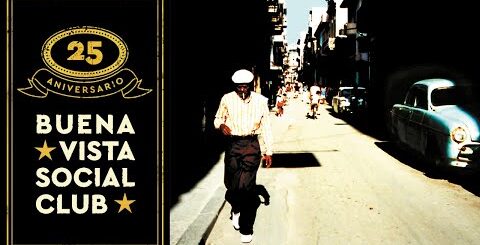
Buena Vista Social Club’s ‘Chan Chan’ is a song that resonates through time, echoing the rustic beauty of Cuba’s countryside and its rich cultural tapestry. With a melody that tugs at the heartstrings, this track has become an emblem of Cuban son—a style of music that blends the Spanish canción and guitar with African rhythms and percussion.
At its core, ‘Chan Chan’ is more than just an arrangement of notes and lyrics; it’s a narrative painted with the brush of longing and draped in the colors of an island’s soul. The song unfolds a story of love, life, and an irrepressible spirit, inviting listeners to unravel its profound symbolism and evocative imagery.
A Journey Through the Heart of Cuba
The song’s opening lines are more than mere geography; they’re a catalyst into a journey across the Cuban landscape. From Alto Cedro to Marcané, from Cueto to Mayarí, each location is steeped in history and culture, setting the stage for an odyssey that interweaves the passion of its characters with the paths they tread.
These towns and villages form the backdrop of a love story that’s enshrined in the island’s collective memory. As we explore through the verses, each place mentioned in the song is a thread that binds the narrative, offering a glimpse into the lives that flow through them.
Unbridled Emotions and the ‘Saliva’ Metaphor
One of the song’s most memorable lines, ‘Se me sale la babita / Yo no lo puedo evitar’ (I drool, I cannot help it), captures the essence of unbridled emotions. This raw, unfiltered expression of fondness and desire encapsulates an intrinsic human experience.
In Cuban colloquialism, this phrase portrays an innocence and a depth of affection that is both endearing and poignant. It’s the candid declaration of someone so overcome with feeling that they are beyond the point of restraint or decorum.
The Enigmatic Lovers: Juanica and Chan Chan
The song’s protagonists, Juanica and Chan Chan, are depicted in a moment of intimate collaboration—sifting sand by the sea. There’s a tactile sensuality to their task, as if in this shared labor they find a private language of love and a bond that is as much about what is said as what is left unspoken.
The shuddering of the ‘jibe,’ a word that encapsulates a sense of movement or fluctuation in the quality of the sifted sand, is also reflective of the turbulence in their hearts. Their story is a metaphor for the dance of romance: cyclical, dynamic, filled with highs and lows.
The Symbolism of the ‘Clean Pathway’
In a poignant request, ‘Limpia el camino de pajas / Que yo me quiero sentar’ (Clean the path of straws / For I want to sit down), the song speaks to a yearning for simplicity and clarity. The clearing of the pathway is not just literal but emblematic of overcoming obstacles that prevent closeness or unity.
The trunk that the singer wishes to sit upon is reminiscent of stability and comfort—an anchoring point in the shifting sands of life and love. It’s a call to ground oneself in the midst of emotional turmoil.
Unveiling the Hidden Refuge of ‘Chan Chan’
While on the surface ‘Chan Chan’ captures a slice of rural life and a singular love story, there’s a hidden sanctuary nestled within its verses. It’s not just about the journey between places or the lament of a heartsick troubadour.
It’s a testament to the human condition—a mirror reflecting the essence of desire, the tribulations of emotional vulnerability, and the quest for connection. This song stands as an oral tradition passed down, evoking an island’s history while speaking to universal themes of love and longing.