Pistol Dreams by The Tallest Man on Earth Lyrics Meaning – Unraveling the Maze of Metaphors
Lyrics
On the skins of snakes, so let me know
Your nerves will lose the road
And I will boil the curtains
To extract the drugs of springtime
But that unicorn, he stirs up as a mule
I said throw me in the fire now, come on
I said throw me in the fire now, come on
And far out on the ocean
With a colored nail I’ll force the whale
We’ll tattoo all our crimes across his back
Had to see him swim up to the harbor
Of the city with the shiver in the buildings as we drowned
I said throw me in the fire now, come on
I said throw me in the fire now, come on
‘Cause we will paint our house with water
To have an outlet for a sigh
Oh, and as I never see the changes
I will be useless as I try
As I said, “Baby, don’t cry”
You said I look just like Mosiah
A cloudy night, just finding out
The wise men lost, but still they found a son
And deep into the orchard, you will lead me
By the skin of snakes to let me know
My sentence as it dries
I said throw me in the fire now, come on
I said throw me in the fire now, come on
‘Cause we will paint our house with water
To have an outlet for a sigh
Oh, and as I never see the changes
I will be useless as I try
As I said, “Baby, don’t cry”
The colors of the water streams
Been floating through our pistol dreams a long time
And I never went to see the fall
Before the barrelled builder called, “Forgive, oh me”
You said throw me in the fire now, come on
I said throw me in the fire now, come on
‘Cause we will paint our house with water
To have an outlet for a sigh
Oh, and as I never see the changes
I will be useless as I try
As I said, “Baby, don’t you cry”
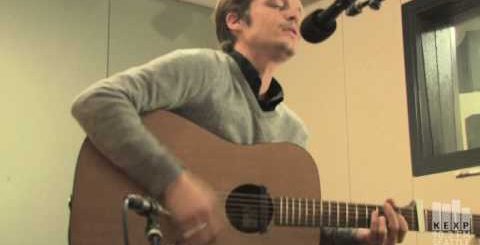
Kristian Matsson, known by his moniker The Tallest Man on Earth, weaves a tapestry of imagery as intricate as his finger-picking guitar work in the song ‘Pistol Dreams’. The track, a deep well of cunning metaphors and evocative language, pulls the listener into a world that feels at once otherworldly and piercingly intimate.
To untangle the poetic labyrinth of ‘Pistol Dreams’ is to embark on an odyssey through the internal landscapes of the soul, encountering themes of destiny, change, and the immutable human desire for meaning amidst the chaos of existence. Each line is a brush stroke in an impressionistic painting, depicting scenes that compel us to look closer and interpret with a heart open to the fluidity of folk music’s storytelling tradition.
Serpentine Symbolism and the Orchard’s Secrets
The Tallest Man on Earth’s artistry blooms in gardens rich with symbolism. When he speaks of stumbling in the orchard on the skins of snakes, one cannot help but be reminded of the Biblical Eden, a paradise where knowledge comes with a venomous bite. It’s as if Matsson is slipping into the skin of humanity’s innocence lost, carefully leading us through the orchard of our own existence.
The snake’s shed skin is a paradoxical metaphor – representing both growth and the remnants of a former self. As Matsson ventures deeper, we sense a transformation, a painful shedding that is as necessary as it is unavoidable. The song’s orchard becomes a landscape of rebirth, where every realization carries the sting of change.
A Dive into the Abyss: Whales and Crimes
The song’s narrative plunges into the depths with imagery of the ocean, where he ‘forces the whale’ and tattoos it with our crimes. It’s a powerful portrayal of conscience and the facing of one’s darker deeds, visualized through the stark imagery of ink on the ocean’s giants. The whale becomes a canvas for humanity, our mistakes engraved upon its vastness as it surfaces in the view of the city.
This memorable stanza is an invitation to reflect on the marks we leave on the world, the visible and invisible ripples of our actions. We’re confronted with the irrevocability of the past, yet the act of tattooing suggests a strange permanence that’s at odds with the song’s overarching sense of continual change. The whale’s emergence is a chilling reminder that what we’ve submerged will eventually rise again.
A Euphemism for Existence: Painting Houses with Water
Arguably one of the song’s most enigmatic lines, ‘we will paint our house with water,’ serves as a soft chorus, a refrain that captures the futility yet beauty in our ephemeral efforts. Painting with water, an act seemingly useless, mirrors our transient toils—the everyday sighs, the search for outlets in a world that can sometimes feel saturated with the static of the mundane.
In repeating this visionary exercise through the song’s rise and fall, Matsson invokes an image of ethereal impermanence. Water, the element of healing and emotion, becomes not merely a medium, but a message—a tranquil acceptance of life’s temporary canvas.
Mosiah’s Vision and the Quest for Redemption
In the mystic verse, Matsson invokes the figure of Mosiah, lending a touch of prophecy and divinity to the earthly wanderings. This name may be interpreted as a reference to biblical leaders, perhaps to Mosiah of the Book of Mormon, suggesting a parallel between the search for spiritual enlightenment and the redemption within the song.
The ‘wise men lost, but still they found a son,’ may then allude to the age-old narrative of seeking and salvation. Here, the listener is summoned to consider their own path, the inevitable missteps in their journey, and the hope that direction can be regained even when one feels most astray.
The Resonance of Finality in ‘Pistol Dreams’
As the melody of ‘Pistol Dreams’ wafts away, one cannot overlook the significance of the song’s title in relation to its haunting content. A pistol, an instrument of ending, harmonizes with the dreamscape’s fleeting beauty, suggesting that within every dream, every passionate pursuit, there’s an echo of finality.
Matsson never fully reveals the nature of these dreams, leaving us to ponder the visions that propel us forward or haunt our steps. His mastery lies in the delicate dance of lyrics that allow us to fill the voids with our imagination, to interpret each allusion as a chapter of our own stories, etched across the whale’s back, painted with water, rising and fading like the springtime’s elusive drapes.