Kids on the Run by The Tallest Man on Earth Lyrics Meaning – Unraveling the Tapestry of Youthful Escapism
Lyrics
Oh meet me when I lost my part in the choir of dusk
Where the promise to lead what is right
As we both know how fields will turn white
And know I will never speak of days
Cause I know you wont count them.
No we have never grown a day from the poison we shared
And we’re walking our crooked backs home
But will we ever confess what we’ve done?
Guess we’re still kids on the run.
And no we will never be a part of the pictures once taken
When we’re feeding fire with the flames til no memories gone
And the cold sky will write us a song
But will we ever confess what we’ve done?
Guess we’re still kids on the run
And the reflections in their eyes
Sure could paint us as killers
Oh, I’ll be there.
And til the terror of our time
Could forgive us as lovers
Oh, lets break some hearts
And no I will never speak of ways ’cause I know you wont try them
But all the weapons raining from the sky will be ours to embrace
And the cold sky will write us a song
But will we ever confess what we’ve done
Guess we’re still kids on the run.
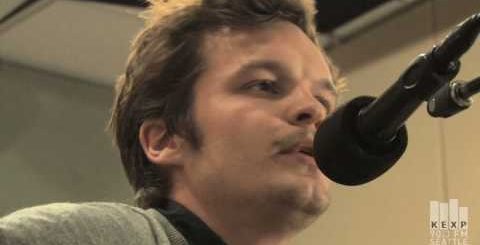
Kristian Matsson, better known as The Tallest Man on Earth, has always weaved intricate tales with his distinctly haunting voice and deft guitar work. In the song ‘Kids on the Run,’ he paints not just a picture but a complex, emotional landscape full of yearning, nostalgia, and a poignant reflection on the past. It’s a composition that refuses to sit comfortably in one’s mind without unraveling its layers.
Beneath the surface of his compelling lyrical poetry lies a deep reservoir of sentiment that echoes the universal human condition. It’s both timeless and immediate, a song that reaches into the recesses of the listener’s soul. Let’s delve into the intricate world of ‘Kids on the Run,’ discovering its profound narrative and musicality, and tease out the stories ensconced within each verse.
A Melancholic Ode to Lost Innocence
The song’s opening line immediately sets the tone for the nostalgia and loss that permeates every chord. ‘Meet me when the morning fails on the fields of desire…’ invokes the feeling of standing at the crossroads of adulthood and childhood, where the ‘fields of desire’ signify the endless possibilities that once seemed within reach.
The notion of losing one’s part ‘in the choir of dusk’ further reinforces this sentiment, painting dusk not just as a time of day but as a period in life where the clarity of youth fades into the ambiguity of maturity. The choir—an ensemble that represents harmony—is disbanded, and with it, the chorus of shared dreams dissipates.
The Unrelenting March of Time
There’s an enduring theme of time throughout Matsson’s work, and ‘Kids on the Run’ is no exception. The acknowledgment that ‘we have never grown a day from the poison we shared’ speaks to the static nature of the protagonists’ lives, poisoned by regret or unfulfilled dreams. It’s a bold statement on the stagnation that can occur when running from the past.
As they walk ‘our crooked backs home,’ the imagery conjures the weight of time and experience that bends and shapes us. The line seems to ask the listener whether growing older is inevitably linked with growing up, or if the latter necessitates a reflection we often resist.
Echoes of an Unwritten Future
In discussing how they ‘will never be a part of the pictures once taken,’ Matsson paints a vivid image of lost moments and the divergence from an envisioned future. The fire and flames allude to the destructive nature of letting go and the fierce determination to erase the past, leaving behind only the ashes of ‘no memories gone.’
The cold sky as an impartial observer ‘will write us a song,’ suggests that while their actions and feelings might be lost to the world, the universe bears silent witness and perhaps, in its impartial way, memorializes their struggle in the stars.
The Hidden Meaning: Reflections as Judge and Jury
When Matsson points to ‘the reflections in their eyes’ painting the protagonists as killers, it’s a profound, hidden meaning that plays on self-perception and judgment. These reflections could symbolize how they’re seen by others and themselves, confronting the perceived crimes of their youth.
Yet, ’til the terror of our time could forgive us as lovers,’ there’s a pleading for absolution, to be understood not just for the acts of the past but for the love that drove them. It’s a plea for compassion in judgment, recognizing the complexity of human motives.
Memorable Lines: The Weapons of Sky and Song
Among the most memorable lines is ‘all the weapons raining from the sky will be ours to embrace.’ This rich metaphor could imply that challenges and criticisms from the world will be met with open arms, an acceptance of the trials that come with living authentically.
Then, with the repetition of the cold sky’s ability to ‘write us a song,’ there’s a sense of inevitability and the comfort that comes from being part of a larger narrative. Though they may never confess their missteps, the protagonists accept their role in the ongoing human saga—an eternal ballad sung by the stars.