Veinte Años by Buena Vista Social Club Lyrics Meaning – Unraveling the Timeless Heartache of Love Lost
Lyrics
si tú no me quieres ya?
El amor que ya ha pasado
no se debe recordar
Fui la ilusión de tu vida
un día lejano ya,
Hoy represento al pasado,
no me puedo conformar.
Si las cosas que uno quiere
se pudieran alcanzar,
tú me quisieras lo mismo
que veinte años atrás.
Con que tristeza miramos
un amor que se nos va
Es un pedazo del alma
que se arranca sin piedad.
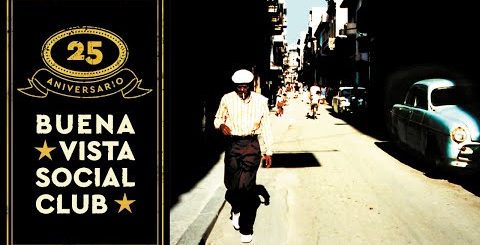
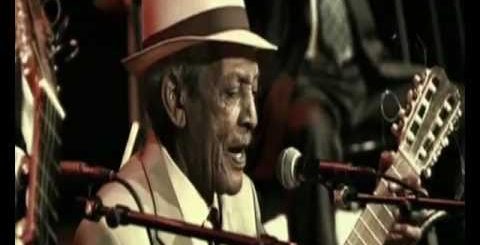
Amidst the rich tapestry of Cuban music, the Buena Vista Social Club has always stood as a beacon of nostalgic melodies and emotive lyricism. Among their cherished repertoire is ‘Veinte Años,’ a song that, while simple in its musicality, is profound in its exploration of love, loss, and the relentless march of time.
On the surface, ‘Veinte Años’ might be dismissed as a lament over a love affair that has grown cold. However, within its verses lies a deeper meditation on the human condition, the nature of memory, and the bittersweet realization that some desires are eternally unattainable.
A Portal to the Past: How ‘Veinte Años’ Bridges Time
The song ‘Veinte Años,’ which translates to ‘Twenty Years,’ is not merely a composition, but a portal that transports the listener to bygone days. The opening line itself, ‘¿Qué te importa que te ame, si tú no me quieres ya?’, sets a tone of unrequited love that resonates with anyone who has ever loved in vain.
As we dive into the lyrics, the melody carries us along a flowing river of memories, where the heartache of yesterday is as palpable as ever. The song suggests that time doesn’t heal all wounds; it merely distances us from the moments that once defined our lives.
The Ache of Amor: Dissecting the Song’s Emotional Core
At the heart of ‘Veinte Años’ is a tale of love that once burned brightly but now flickers in the shadows of the past. With the line ‘Es un pedazo del alma que se arranca sin piedad,’ which reflects the ruthless manner in which a piece of one’s soul is torn away, there is an acknowledgment of love’s enduring agony.
It’s not just about the end of a romance, but about the enduring echo of what was lost. This song encapsulates the sentiment that, while love may fade out of sight, it does not easily fade from the depths of one’s spirit.
Nostalgia’s Bittersweet Dance: The Song’s Hidden Meaning
Beyond the surface narrative of lost love is a hidden layer that ‘Veinte Años’ subtly reveals. It is a meditation on the changing nature of feelings and the cruel reality that time can alter the depth of our affections without consent.
The line ‘Si las cosas que uno quiere se pudieran alcanzar, tú me quisieras lo mismo que veinte años atrás,’ speaks to the universal desire to reclaim a past that slips through our fingers like grains of sand. It’s not just the lost love that mourns, but the lost opportunity to recapture the fervor of youth itself.
In the Wake of Desire: The Longing for What Cannot Be
The song addresses the human plight of yearning for the impossible – a theme that resonates with listeners across different walks of life. ‘Veinte Años’ does not offer resolve but instead presents a poignant acceptance of unfulfilled wants as part of the fabric of human existence.
It opens a dialogue on the acceptance of unattainable desires – where love is the ultimate mirage, always shimmering on the horizon, yet forever out of reach. This universal theme is perhaps why the song transcends time and continues to be relevant decades after its composition.
Lyrical Lines that Haunt the Heart
The art of songwriting is most potent when simple words forge an enduring emotional grip. ‘Veinte Años’ masters this with lines such as ‘Hoy represento al pasado, no me puedo conformar,’ expressing the struggle between acceptance and the yearning for what once was.
Each word serves as a brushstroke in a larger painting of heartache, melancholy, and the elusive nature of time. The sheer poetry of the song’s lyrics invites us to reflect on our own experiences, memories, and the loves that have left indelible marks on our souls.