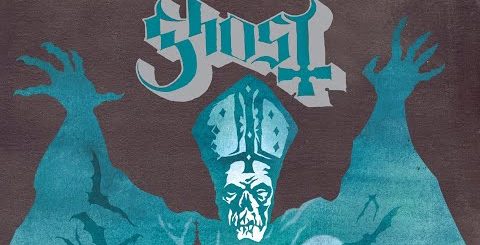
Missionary Man by Ghost Lyrics Meaning – Decoding the Spiritual Dichotomy
Lyrics
I was born from original sin
And if I had a dollar bill
For all the things I’ve done
There’d be a mountain of money
Piled up to my chin
My mother told me good
My mother told me strong
She said “be true to yourself
And you can’t go wrong
But there’s just one thing
That you must understand
You can fool with your brother
But don’t mess with a missionary man”
Don’t mess with a missionary man
Don’t mess with a missionary man
Don’t mess with a missionary man
Well the missionary man
He’s got God on his side
He’s got the saints and apostles
Backin’ up from behind
Black eyed looks from those bible books
He’s a man with a mission
Got a serious mind
There was a woman in the jungle
And a monkey on a tree
The missionary man he was followin’ me
He said “stop what you’re doing
Get down upon your knees
I’ve got a message for you that you better believe”
Well I was born an original sinner
I was born from original sin
And if I had a dollar bill
For all the things I’ve done
There’d be a mountain of money
Don’t mess with the missionary man
A missionary man
A missionary man
A missionary man
Don’t mess with the missionary man
Don’t mess with the missionary man
Don’t mess with the missionary man
Don’t mess with the missionary man
Swedish rock band Ghost is known for their theatrical flair and lyrical enigmas that entangle listeners in a web of existential wonder and contemplative rock anthems. Their song ‘Missionary Man’ is no exception, as it delves into the nuanced territories of sin, redemption, and the proverbial battle between good intentions and human transgression.
The song entrances with its haunting melody, but it’s the provocative lyrics that invite listeners into a confessional booth of rock n’ roll righteousness. Beneath the surface of this toe-tapping track lies a complex tale of morality, religious zealotry, and personal introspection.
The Wages of Sin According to Ghost
Opening with the profound acknowledgment of being ‘an original sinner,’ Ghost immediately sets the tone for a spiritual reckoning. The protagonist recognizes the inherently flawed nature of humans and considers the tangible weight of their misdeeds—a ‘mountain of money’ that amounts to a life of vice and regret.
This self-awareness in the lyrics mirrors society’s ongoing narrative about sin and redemption. The song does not seek absolution but rather opens up a dialogue about the intrinsic value and cost of our actions in this world.
The Maternal Gospel and Earthly Virtues
Our protagonist is not without guidance, having been schooled in the virtues of being true to oneself. The mother’s advice stands as a beacon against the looming shadows of sin, suggesting a simpler, personal doctrine of integrity that contrasts with the rigid rule of religious dogma.
Echoing the biblical edict of brotherhood, the mother’s warning to ‘not mess with a missionary man’ portrays the missionary as an untouchable enforcer—a sanctified vigilante of the moral high ground.
Black Eyed Looks from Those Bible Books
In juxtaposing the protagonist’s sinfulness with the missionary man’s unwavering piety, Ghost crafts a character symbolic of divine judgment. The ‘black eyed looks’ resonate with the piercing judgmental gaze of the zealot, one that bends not with understanding, but with strict adherence to scripture.
Furthermore, the missionary man, acting as the vessel of God’s word, becomes something to be both revered and feared. His ‘serious mind’ is not easily swayed, propelling the narrative into a power struggle of moral absolutism and human fallibility.
A Jungle of Temptation and the Pursuing Preacher
Set in a metaphorical jungle, ‘Missionary Man’ shows the face-off between the raw, natural instincts of humankind and the taming force of religion. The song’s imagery, which includes the ‘woman in the jungle and a monkey on a tree,’ can be interpreted as a nod to primal desires and the inherent wildness that religion seeks to civilize.
The missionary man’s pursuit through this jungle signifies the relentless endeavor of organized faith to convert and save the ‘original sinner.’ It’s a chase that seems both eternal and inevitable, calling upon listeners to consider the role of faith in their personal evolution.
The Eloquent Repetition: A Mantra of Warning
The song’s chorus serves as a mantra that’s both cautionary and revealing. The repetition of ‘Don’t mess with a missionary man’ underscores the intractability of religious conviction while simultaneously warning of the dangers associated with challenging such beliefs.
Yet, as much as it is a refrain of advisement, it’s also a potent commentary on the societal dynamics at play—where those ordained to preach are often placed beyond reproach, and their power becomes unassailable. Ghost harnesses this lyrical hook to question the balance of power between the sinner and the saved.