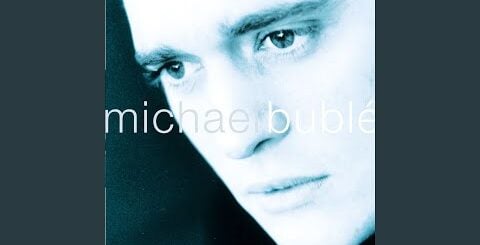
Ave Maria by Michael Bublé Lyrics Meaning – Unraveling the Spiritual Tapestry & Modern Resonance
Lyrics
Gratia plena
Maria, gratia plena
Maria, gratia plena
Ave, ave dominus
Dominus tecum
Benedicta tu in mulieribus
Et benedictus
Et benedictus fructus ventris
Ventris tuae, Jesus.
Ave maria
Et in hora mortis nostrae
Ave maria
Michael Bublé’s rendition of ‘Ave Maria’ is less about imposing new meaning onto the canonical hymn and more about rediscovering the song’s timeless spiritual essence through the lens of contemporary music. This rendering prompts a deep introspection into one of the most celebrated hymns, unveiling layers that speak to both sacred and secular audiences.
In Bublé’s hands, ‘Ave Maria’ becomes more than a religious ode; it is a universal call for peace, a reflection on the human condition, and a beacon of hope in dark times. The song, rooted in Catholic tradition, breaks boundaries and touches the soul with its graceful melody and poignant lyrics.
A Symphonic Bridge Between Worlds
Michael Bublé’s ‘Ave Maria’ serves as a symphonic bridge, connecting the ancient to the modern, the earthly to the divine. His smooth, resonant vocals elevate the prayer to new heights, embedding it within the context of today’s multifaceted world. The song’s transcendent quality allows it to rise above the confines of traditional church music, reaching an audience that spans a vast cultural spectrum.
Bublé’s interpretation garners a new congregation of listeners, uniting those who may never step foot in a cathedral with those who find solace in its arches. It’s the looming echoes of his voice against the backdrop of minimalist instrumentation that create a profound sense of intimacy with the divine, no matter one’s personal beliefs or lack thereof.
Unearthing The ‘Ave Maria’ Within: A Search for Personal Meaning
While many listeners might approach ‘Ave Maria’ with preconceived notions steeped in religious tradition, Michael Bublé’s rendition invites a personal encounter. His performance doesn’t dictate but converses, asking us to look inward and examine our own definitions of spirituality, faith, and reverence. The invitation is there, weaving through the melody like a siren’s song, nudging us to find our own ‘Ave Maria.’
The cryptic elegance of the Latin lyrics meets the universal fervor for understanding one’s path and purpose. As Bublé navigates these sacred waters, he asks us to consider what our ‘full of grace’ moments truly are, encouraging a dialogue between the listener’s spirit and the profound message embedded within the prayer.
The Resonance of ‘Gratia Plena’: Relating to the Grace-Filled
The phrase ‘gratia plena,’ Latin for ‘full of grace,’ resonates deeply with listeners, echoing the quality of being blessed by a higher power. Through Bublé’s emotive rendition, it becomes a mirror reflecting our desire for gracefulness in a turbulent world. This simple yet powerful line touches upon the universal aspiration to embody grace under pressure, to navigate life’s challenges with poise and dignity.
It’s in the way Bublé elongates the notes, the gentle crescendos and decrescendos of his voice, that we truly feel the weight and beauty of being ‘gratia plena.’ It sets the stage for a meditative experience, inviting self-reflection on our abilities to find inner peace and to extend grace not just to oneself but also to others.
A Quiet Prayer in Loud Times: The Song’s Hidden Meaning
In a world racked by noise and clamor, ‘Ave Maria’ as performed by Bublé becomes a quiet prayer, a subtle yet powerful counterpoint to the chaos. Beyond the Marian devotion, it finds its hidden meaning as an anthem for serenity. It’s a musical balm that soothes restlessness and anxiety, its ancient words whispering reassurances in the ear of the modern listener.
The song’s hidden meaning emerges in its placement within our everyday lives. When Bublé’s voice inaugurates a moment of sanctity amid the secular, ‘Ave Maria’ transcends its religious origins and enters the realm of the universally poetic. It addresses the collective consciousness, serving as a gentle reminder of the presence of the sublime, accessible to all in moments of introspection.
The Memorability of ‘Ventris Tuae, Jesus’: Ending on a Note of Redemption
One cannot overlook the memorability of the line ‘ventris tuae, Jesus,’ which can be translated to ‘the fruit of your womb, Jesus.’ In the culmination of Bublé’s powerful delivery, this line encapsulates the essence of redemption and the cycle of birth and rebirth. It’s a potent reminder of the possibility of renewal, a chance to begin again with a cleansed soul – an opportunity for redemption that Bublé suggests is possible for everyone.
The symbolic power of this line, set against Bublé’s nuanced performance, leaves a lasting emotional imprint. It brings the narrative arc of ‘Ave Maria’ to a place where each listener can find solace, regardless of their spiritual leanings. It’s the reconciliation between the temporal and eternal, an endpoint that returns to the beginning, ever full of promise and hope.