Banana Boat (Day-O) by Harry Belafonte Lyrics Meaning – Diving Deep into the Cultural Resonance of a Classic Tune
Lyrics
Daylight come and me wan’ go home
Day, me say day, me say day, me say day
Me say day, me say day-o
Daylight come and me wan’ go home
Work all night on a drink of rum
Daylight come and me wan’ go home
Stack banana till de mornin’ come
Daylight come and me wan’ go home
Come, Mister tally man, tally me banana
Daylight come and me wan’ go home
Come, Mister tally man, tally me banana
Daylight come and me wan’ go home
Lift six foot, seven foot, eight foot bunch
Daylight come and me wan’ go home
Six foot, seven foot, eight foot bunch
Daylight come and me wan’ go home
Day, me say day-o
Daylight come and me wan’ go home
Day, me say day, me say day, me say day…
Daylight come and me wan’ go home
A beautiful bunch o’ ripe banana
Daylight come and me wan’ go home
Hide the deadly black tarantula
Daylight come and me wan’ go home
Lift six foot, seven foot, eight foot bunch
Daylight come and me wan’ go home
Six foot, seven foot, eight foot bunch
Daylight come and me wan’ go home
Day, me say day-o
Daylight come and me wan’ go home
Day, me say day, me say day, me say day…
Daylight come and me wan’ go home
Come, Mister tally man, tally me banana
Daylight come and me wan’ go home
Come, Mister tally man, tally me banana
Daylight come and me wan’ go home
Day-o, day-o
Daylight come and me wan’ go home
Day, me say day, me say day, me say day
Me say day, me say day-o
Daylight come and me wan’ go home
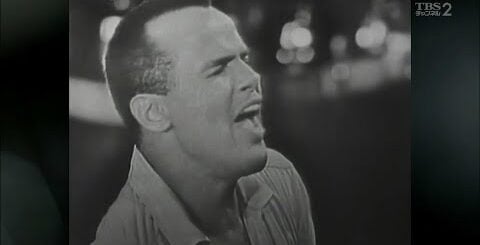
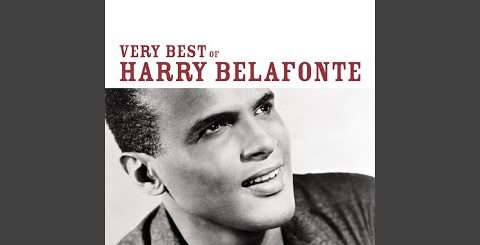
With its jubilant rhythms and infectious chorus, Harry Belafonte’s ‘Banana Boat (Day-O)’ stands as more than a catchy tune; it’s a vessel carrying the weight of history, labor, and cultural identity. Released in 1956, the song catapulted the Jamaican-American musician into worldwide fame and became an anthem that transcended the boundaries of geographical and musical genres.
However, behind its seemingly simple call-and-response structure lies a narrative rich with layers and complexity. It’s a tale that reflects the daily toils of dock workers, the colonial underpinnings of the Caribbean economy, and the profound yearning for relief and freedom from exploitation.
Unearthing the Roots: A Siren of Caribbean Labor
Before diving into the exuberant ‘Day-O’ chants, it’s crucial to grasp the song’s humble beginnings. Originally a Jamaican folk song, ‘Banana Boat (Day-O)’ portrays the backbreaking work of dock workers harvesting bananas during the night shift. The opening lines, ‘Day-o, day-o / Daylight come and me wan’ go home,’ capture a universal sentiment — the anticipation of the end of a long workday.
Belafonte’s rendition, which would become one of his most iconic performances, was not just entertainment; it was art imitating life. The song acted as both a mirror and a megaphone, showcasing the life of Caribbean laborers to an international audience who might otherwise remain oblivious to such lived experiences.
The Lyrical Echo of Resilience Amidst Adversity
The repetition present in both the lyrics and the melody serves as a stark reminder of the grueling monotony and the rhythm of the laborer’s routine. The ‘six foot, seven foot, eight foot bunch’ not only describes the towering stacks of banana cargo but also symbolizes the Herculean effort required to overcome economic hardships.
Belafonte mastered the art of using catchy, repeatable lines to embed a profound sense of kinship and perseverance in the face of toil. This convergence of melody and message is part of what makes ‘Banana Boat (Day-O)’ resonate as an anthem of hope and hardiness.
Peeling Back the Layers – The Song’s Hidden Narrative
Despite its upbeat tempo, ‘Banana Boat (Day-O)’ conceals a narrative of colonial exploitation and the fight for autonomy in the labor worker’s cry. The call of the ‘tally man’ is not merely a request for an account of the night’s work; it is an acknowledgment of the power dynamics between the worker and the figure of authority.
The ‘tally’ also alludes to the historical structure of the banana trade, which was dominated by American and European companies ruling over local workers. Thus, the seemingly lighthearted lyric ‘tally me banana’ carries weighty historical implications.
Not Just a Tune, But a Tour de Force of Cultural Identity
Belafonte, with his charismatic delivery of ‘Banana Boat (Day-O),’ did more than bring Jamaican folk culture into the global limelight. He painted a picture of Caribbean identity, rich and textured, to audiences unfamiliar with the region’s history and struggles.
The song became an emblem of pride for Caribbean peoples, a signifier of cultural heritage that could rally a communal sense of unity and recognition amidst a diaspora spread far and wide by the winds of history.
Memorable Lines that Captivate and Illuminate
The infectious line, ‘Day-o, day-o, Daylight come and me wan’ go home,’ operates on a level that promotes solidarity while preserving the individual’s desire for respite. It’s this precise harmony between collective burden and personal relief that grants the tune its timeless appeal.
Moreover, ‘A beautiful bunch o’ ripe banana / Hide the deadly black tarantula’ is a vivid reminder within the song’s context that even amidst abundance and success, perils and dangers lurk. This line encapsulates the dichotomy of the tropical paradise and its hidden struggles – a metaphor for the complexities of the work and life it represents.