Cross-Eyed Mary by Jethro Tull Lyrics Meaning – Delving into the Counter-Culture Labyrinth
Lyrics
If he had a rich man in his hand?
And who would steal the candy
From a laughing baby’s mouth
If he could take it from the money man
Cross-eyed Mary goes jumping in again
She signs no contract but she always plays the game
She dines in Hampstead village on expense accounted gruel
And the jack-knife barber, drops her off at school
Laughing in the playground, gets no kicks from little boys
Would rather make it with a letching grey
Or maybe her attention is drawn by Aqualung
Who watches through the railings as they play, hey
Cross-eyed Mary finds it hard to get along
She’s a poor man’s rich girl and she’ll do it for a song
She’s a rich man stealer but her favor’s good and strong
She’s the Robin Hood of Highgate, helps the poor man get along, hey
Laughing in the playground, gets no kicks from little boys
Would rather make it with a letching grey
Or maybe her attention is drawn by Aqualung
Who watches through the railings as they play, hey
Cross-eyed Mary goes jumping in again
She signs no contract but she always plays the game
She dines in Hampstead village on expense accounted gruel
And the jack-knife barber, drops her off at school, hey
Cross-eyed Mary
Oh Mary, oh cross-eyed Mary
In the tapestry of rock ‘n’ roll, few threads are as vibrantly woven as the music of Jethro Tull. Ian Anderson’s flute-driven melodies and thought-provoking lyrics captivate with a combination of folk, blues, and progressive rock influences. ‘Cross-Eyed Mary,’ a standout track from their seminal album ‘Aqualung,’ is as enigmatic as it is iconic, serving as a powerful commentary on society’s margins and the characters that inhabit them.
The figure of Cross-Eyed Mary emerges as an anti-heroine, sketched with broad strokes of ambiguity and moral complexity. Far from just a catchy tune, the song delves deep into themes of societal hierarchy, exploitation, and rebellion. With keen poetic precision, Anderson crafts a narrative that demands introspection, inviting listeners to contemplate the societal constructs of wealth and morality.
Unraveling the Fabric of Cross-Eyed Mary’s World
The opening lines immediately confront the listener with a moral quandary concerning wealth and integrity. By comparing a ‘poor man, a beggar-man, a thief’ to a man of wealth, ‘Cross-Eyed Mary’ introduces a world where morality is relative and survival is a game of wit and opportunism. The song challenges the conventional dichotomy of rich and poor, proposing that the lines between them are blurred.
In the heart of this juxtaposition is Mary herself, a character who embodies this equivocal morality. She’s portrayed as both victim and opportunist, engaging in a kind of social arbitrage. Her interactions with the ‘money man’ and her avoidance of contracts suggest a savvy understanding of how to navigate the power dynamics dictated by wealth.
Deciphering the Song’s Cryptic Character Study
‘Cross-Eyed Mary’ serves not just as a character, but as a vessel for broader social criticism. She lives on the fringes, where children toil in playgrounds and the predatory ‘aqualung’ looms ominously. Tull’s lyrics offer a child-like innocence contrasted with the harsh realities of her world, all seen through Mary’s cross-eyed gaze.
Interpreting Mary’s role as either savior or sinner is intentionally challenging; she oscillates between Robin Hood-like benevolence and self-serving deceit. Anderson’s songwriting refuses to allow the audience a comfortable resolution. Instead, it revels in the greyness of human character, where a person can be both a ‘poor man’s rich girl’ and a ‘rich man stealer.’
Musical Alchemy and How It Enhances the Narrative
The musical landscape of ‘Cross-Eyed Mary’ accentuates its complex storytelling. The frantic energy of the guitar riffs, the distinctive flute melodies, and the dynamic tempo shifts create a sonic backdrop that mirrors Mary’s erratic and unpredictable world. The shifts in musical dynamics from one verse to another mirror the quickly changing scenarios in which Mary operates.
This synergy between lyrical content and musical expression is one of the hallmarks of Jethro Tull’s progressive rock vision. Every instrumental layer not only builds the mood but also deepens the listener’s engagement with Mary’s story, adding to the interpretive richness of the song.
The Secret Synergy with ‘Aqualung’ – A Deeper Dive
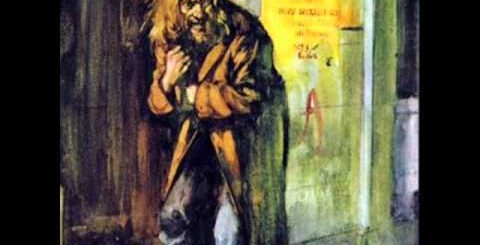
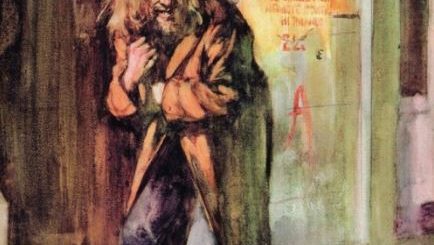
One cannot explore ‘Cross-Eyed Mary’ without acknowledging its thematic kinship with ‘Aqualung,’ the title track of the same album. Together, they speak to themes of alienation, voyeurism, and the stigmatization of society’s outcasts. Mary’s interactions with the lecherous ‘Aqualung’ character knit her personal narrative into a larger commentary on the transgressors of societal norms.
This interdependent narrative suggests a multilayered universe where characters are connected by shared marginalization. The songs serve as companion pieces, providing a multidimensional look at the complexities of disenfranchisement within the community that surrounds them.
Unforgettable Verse: The Lyrics that Define an Era
‘She signs no contract but she always plays the game.’ This line encapsulates the sharp cunning of Mary, an emblematic representation of the counterculture’s defiance against the establishment’s rules. By not signing a contract, Mary maintains her freedom and independence, even as she deftly navigates the intricate dance of social classes.
The legacy of ‘Cross-Eyed Mary’ persists not just because of its audacious melody, but also because it reflects universal truths about social survival and intricate societal relationships. These lyrics, simultaneously poetic and defiant, resonate with the listener, providing a glimpse into the enduring struggle for autonomy in the face of systemic inequality.