Dracula by Rob Zombie Lyrics Meaning – Unearthing the Cryptic Allure of a Shock Rock Anthem
Lyrics
Slipping through the trees, stranglin’ the breeze
Dead I am, the sky watchin’ angels cry
While they slowly turn, conquering the worm
Dig through the ditches and burn through the witches
And slam in the back of my Dragula
Dig through the ditches and burn through the witches
And slam in the back of my Dragula
Dead I am the pool, draining from the fool
Weak and want you need, nowhere as you bleed
Dead I am the rat, feast upon the cat
Tender is the fur, dying as you purr
Dig through the ditches and burn through the witches
And slam in the back of my Dragula
Dig through the ditches and burn through the witches
And slam in the back of my Dragula
Do it baby, do it baby
Do it baby, do it baby
Then burn like an animal
Dead I am the dog, hound of hell you cry
Devil on your back, I can never die
I can never die, I can never die, I can never die
I can never die, I can never die, I can never die
I can never die, I can never die, I can never die
I can never die, I can never die
Do it baby, do it baby
Do it baby, do it baby
Then burn like an animal
Dig through the ditches and burn through the witches
And slam in the back of my Dragula
Dig through the ditches and burn through the witches
And slam in the back of my Dragula
Dig through the ditches and burn through the witches
And slam in the back of my Dragula
Dig through the ditches and burn through the witches
And slam in the back of my Dragula
Among the pantheon of rock anthems that have electrified the airwaves, Rob Zombie’s ‘Dragula’ occupies a special niche, creating an indelible impression with its grinding guitars and macabre imagery. An emblematic piece of the shock rocker’s discography, ‘Dragula’ transcends mere sonic assault to embody the vibrant subculture it appeals to. Its lyrics, rife with gothic overtones and horror motifs, beckon listeners to delve deeper into its cryptic narrative.
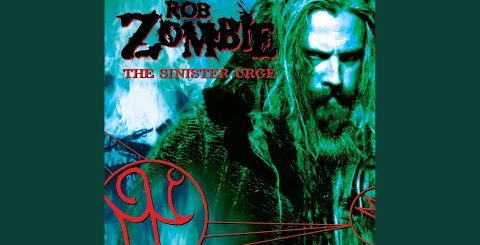
Rob Zombie’s musical mastery lies not just in his ability to meld haunting melodies with thunderous beats, but in his deft story-telling prowess, using a vivid tableau of supernatural themes. ‘Dragula,’ from the 1998 album ‘Hellbilly Deluxe,’ remains a cornerstone of Zombie’s career, with an enduring relevance that prompts us to unravel the layers beneath its visceral surface.
The Beast Within: Embracing Our Primal Desires
At its core, ‘Dragula’ speaks to the notion of the ‘beast within’ that is a fundamental aspect of human nature, often suppressed but ever-present. Zombie’s portrayal of various deathly entities, from a life-draining pool to a devil-dog that never dies, serves as metaphors for the primal, often darker desires that lurk deep inside the human psyche.
As the lyrics enjoin listeners to ‘Dig through the ditches and burn through the witches,’ it can be interpreted as a call to action to confront one’s own shadowy aspects. Rob Zombie encourages an unapologetic embrace of these inner forces, positioning them not as sinister but as sources of power and authenticity.
Revving the Engine of Rebellion: ‘Dragula’ as a Symbol of Nonconformity
More than just a reference to a car or a horror figure, ‘Dragula’ serves as a potent symbol of rebellion and nonconformity. The track’s pulsing rhythm and relentless hook evoke a sense of unstoppable momentum, much like the titular vehicle speeding through a world of conformity and stagnation.
At the height of its chorus, the song becomes an anarchic battle cry, an acknowledgment of the joy found in resistance and in defying social norms. By slamming ‘in the back of my Dragula’, Zombie encapsulates the raw thrill of the counterculture experience.
Dead, But Alive: The Immortality Angle
The ominous repetition of ‘I can never die’ throughout the song underscores not just the invincibility of the creatures Zombie envisions but a broader message on the nature of art and legacy. In a figurative sense, the song speaks to the artist’s own immortality through his work, his influence palpable and everlasting long after his departure.
This defiance of death through creation is a familiar theme in rock music, aligning Zombie with the ranks of artists who continually affect the cultural zeitgeist. ‘Dragula’ itself is a testament to this phenomenon, with its impact felt across decades.
Uncovering the Hidden Depths: The Song’s Esoteric Layers
While the imagery in ‘Dragula’ is overtly drawn from horror, a deeper esoteric significance can be discerned. It’s not necessarily about literal undead creatures but about breaking away from the constraints that bind us, both mental and societal. Zombie’s references to the sky, trees, breeze, and worms suggest a connectivity with nature and the cycle of life and death.
Each macabre vignette offers a complex interplay between horror and enlightenment. By entwining the grotesque with the philosophical, Zombie creates a song that continues to compel the listener to explore its hidden meanings.
Memorable Lines and Iconic Refrains: The Indelible Stamp of ‘Dragula’
The unforgettable directive to ‘Burn like an animal’ encapsulates the essence of ‘Dragula’ — a call to ignite one’s true nature amidst the confines of a society that often demands conformity. This line brings with it an incendiary imagery that ignites the imagination as much as it does the spirit.
‘Dragula’ is riddled with memorable lines that have etched themselves into the fabric of rock music. From the punishing beats to the twisted lyricism, each element synergistically contributes to a song that is both a product of its time and an enduring emblem of alternative rock.