John Wayne Gacy, Jr. by Sufjan Stevens Lyrics Meaning – Exploring the Haunting Depths of Humanity
Lyrics
And his mother cried in bed
Folding John Wayne’s t-shirts
When the swing set hit his head
The neighbors, they adored him
For his humor and his conversation
Look underneath the house there
Find the few living things
Rotting fast in their sleep of the dead
Twenty-seven people
Even more
They were boys
With their cars
Summer jobs
Oh my God…
Are you one of them?
He dressed up like a clown for them
With his face paint white and red
And on his best behavior
In a dark room on the bed he kissed them all
He’d kill ten thousand people
With a sleight of his hand
Running far, running fast to the dead
He took off all their clothes for them
He put a cloth
On their lips
Quiet hands
Quiet kiss
On the mouth
And in my best behavior
I am really just like him
Look beneath the floorboards
For the secrets I have hid
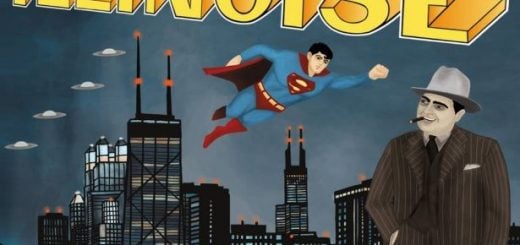
Sufjan Stevens’s ‘John Wayne Gacy, Jr.’ from his ambitious project ‘Illinois’ is a haunting serenade that pierces through the darkest alleyways of the human soul. Crafted with a poet’s touch and an artist’s finesse, Stevens navigates through the troubled waters of empathy and horror, alluding to the infamous American serial killer John Wayne Gacy who notoriously dressed as ‘Pogo the Clown’ to commit his heinous crimes.
The song is not merely a recount of a murderer’s exploits, but a mirror held up to the nature of evil and the potential for darkness that lurks within us all. Its melodic innocence contrasts sharply with the gravity of its subject matter, creating a chilling dichotomy that has left listeners both unnerved and moved since its release.
The Clown and the Shadow: Dissecting Sufjan’s Poetic Juxtaposition
The song establishes a narrative that flits between Gacy’s twisted double life and the innocuous day-to-day of suburban America. Stevens’s portrayal is rich in detail, from the laundry folding to the community’s affection, setting the stage for the shock of the evil that unfolds. It’s a juxtaposition that speaks volumes, challenging the listener to reconcile the mundane with the monstrous.
Stevens’s use of the clown—a supposed icon of joy and innocence—as the personification of deception and malevolence, is masterful in its execution. The clown becomes a broader commentary on the façades people wear, suggesting that beneath the painted smiles, there may lie deeper, sometimes darker truths.
Harrowing History in Melody: The Careful Curation of Sound
The song’s minimalist arrangement, with its somber piano and subdued banjo, orchestrates an atmosphere of introspection and dread. Each note seems to lament the tale it tells, a musical mourning that reflects the gravity of the crimes without sensationalizing them. It’s a testament to Stevens’s skill that he can convey such immense weight in such a delicate manner.
The progression from soft, almost whimsy, to a crescendo of disquiet mirrors the escalation from Gacy’s troubled childhood to the monstrous depths of his actions. Music becomes a vehicle for storytelling in Stevens’s hands, guiding listeners through a complex tapestry of emotions that connect them to the narrative.
The Deceptive Charm of the Neighborhood Monster
Stevens does not shy away from exploring how neatly Gacy fit into the societal tapestry, ‘for his humor and his conversation.’ It serves as a chilling reminder that the monsters in our myths often walk beside us undetected, their true natures shielded by an amiable veneer. It’s a perspective that exposes the potential for overlooking the sinister in our search for the familiar and comforting.
The notion that evil can be hidden in plain sight is a thread that winds through the song’s narrative. It poses uneasy questions about the capacity for darkness within ordinary people and the way society can often, unintentionally, harbor those with cruel intentions.
Profound Parallels: Stevens’s Startling Self-Reflection
Perhaps the most unsettling turn of the song comes in its final verse: ‘And in my best behavior, I am really just like him.’ These lyrics signal a shift from the historical to the personal—a confession from Stevens that the line separating him from Gacy is finer than one might hope. It’s a courageous admission that resonates with the listener’s own uncertainties about their moral compass.
This self-reflection, paired with the search for hidden secrets beneath the floorboards, points to the broader human experience of grappling with internal darkness. It is a moment of vulnerability that elevates the song from a historical recount to a deeply personal exploration of identity and the human condition.
Memorable Lines that Linger Long After the Last Note
‘Twenty-seven people, even more. They were boys with their cars, summer jobs. Oh my God…’ These lines, delivered with forlorn clarity, underscore the gravity of Gacy’s actions while acknowledging the lost potential of his victims. Stevens does not reduce them to mere numbers; they were young men, emblematic of American youth and the fragility of life.
The haunting repetition of ‘Are you one of them?’ invites the listener to see themselves in the victims, fostering a deep-seated empathy and sorrow that lingers. It’s a poignant reminder of the reverberating impact of tragedy, and Stevens’s ability to craft lines that resonate on such a profound level is a testament to his prowess as a songwriter.