Keep The Secrets Empty For Me by Fever Ray Lyrics Meaning – Deciphering the Enigmatic Soundscape
Lyrics
I am never the first to know
Following the stream up North
Where do people like us float
There is room in my lap
For bruises, asses, handclaps
I will never disappear
For forever, I’ll be here
Whispering
Morning, keep the streets empty for me
Morning, keep the streets empty for me
I’m laying down, eating snow
My fur is hot, my tongue is cold
On a bed of spider web
I think of how to change myself
A lot of hope in a one man tent
There’s no room for innocence
So take me home before the storm
Velvet mites will keep us warm
Whispering
Morning, keep the streets empty for me
Morning, keep the streets empty for me
Whispering
Morning, keep the streets empty for me
Morning, keep the streets empty for me
Uncover our heads and reveal our souls
We were hungry before we were born
Uncover our heads and reveal our souls
We were hungry before we were born
Uncover our heads and reveal our souls
We were hungry before we were born
Uncover our heads and reveal our souls
We were hungry before we were born
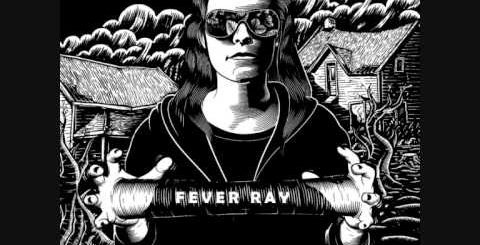
Fever Ray has long been the moniker for Karin Dreijer’s most introspective and idiosyncratic expressions. With ‘Keep The Streets Empty For Me,’ Dreijer sends us cascading down a rabbit hole of self-reflection and existential ponderings, musically wrapped in a cloak of haunting electro-beats and ambient waves that are signatures of the Fever Ray sound.
This track, from the eponymous debut album, lends itself to various interpretations, each veiled beneath layers of metaphor and Dreijer’s enigmatic vocal delivery. We delve into the mysterious currents of this song, navigating through its icy lyrics to uncover the profound meaning lurking beneath its seemingly cryptic surface.
An Ode to Solitude and Self-Discovery
There is an immediate sensory juxtaposition as Dreijer requests an ’empty morning,’ a solitude carved out of the very essence of bustling city life. The lyric speaks volumes about the craving for personal space to reflect, untouched by the chaos often found in our external environments. Through this lens, the ’empty streets’ become a metaphor for the uncluttered mind, making room for personal growth and introspection.
The quest for self-understanding is no straightforward journey. Dreijer’s path ‘up North’ and references to ‘floating’ are less about physical displacement and more indicative of an internal navigation through the psyche. It’s as if the artist implores the listener to strip away distractions, suggesting that redefining one’s self requires an aspect of barrenness, a blank slate from which to start anew.
Embracing the Scar Tissue of Life
In the verse, ‘There is room in my lap / For bruises, asses, handclaps,’ Dreijer touches on the theme of acceptance. These lines suggest an openness to receiving life’s various knocks, paired with its fleeting applauds and everything between. It’s a testament to resilience and the willingness to embrace all facets of experience, acknowledging the beauty in imperfection and the growth from our bruises.
Dreijer’s pronouncement of never disappearing ‘forever’ is a declaration of permanence in the transient dance of life. It’s as if the song itself is a keeper of secrets, an eternal vessel for the stories of those who find solace in its verses and the echo of their own voices within its haunting whispers.
Weaving the Fabric of Existential Warmth
‘Velvet mites will keep us warm,’ sings Dreijer, amidst the chilling solitude of their snowy bed. Mites, insignificant yet collectively powerful, embody the interconnectedness within isolation, suggesting that even in our loneliest moments, there’s a common thread tying us to the broader web of existence.
The ‘one man tent’ then becomes a haven of hope, a refuge from the ‘storm’ of external judgments and societal expectations. By seeking warmth in the simplicity of an arachnid’s creation, Dreijer juxtaposes our desire for emotional security with the often-overlooked natural shelters that withstand life’s harshest climates.
The Path to Changing Oneself
Dreijer’s reflections on self-transformation, ‘I think of how to change myself,’ speak to a universal sentiment. The act of laying down ‘eating snow’ symbolizes a cleansing, a process of consumption and incorporation of purity into one’s being. It’s almost as if these actions fuel the metamorphosis that the artist hints at throughout the song.
The willingness to exist within a ‘bed of spider web,’ captures the fragility and complexity of personal change. The lyric insists change is often an entangled endeavor, one that requires a careful navigation of multifaceted emotional landscapes, threading one’s way through the delicate, yet resilient strands of self.
The Unquenchable Hunger of the Soul
The song’s closing lines, ‘Uncover our heads and reveal our souls / We were hungry before we were born,’ are a haunting chant evoking the primordial struggle within all humans. Fever Ray taps into the existential void that predates our consciousness, a hunger for meaning and connection that’s sewn into our very essence, persisting from a time before our physical inception.
In these verses, ‘uncovering our heads’ is an act of vulnerability, a stripping down to our most genuine selves before the world. They echo the theme of the song as a whole: the pursuit of truth requires the courage to confront our core hunger—a hunger not for food, but for understanding, for knowing ourselves without the layers that life, society, and even we ourselves have shrouded around our souls.