Lead Existence by King Krule Lyrics Meaning – Peering Through the Melancholic Veil
Lyrics
Live a life, that won’t change
For some time
I feel ill, quite strange
I haven’t cried for a year
I don’t prize myself on my ill health
Its starts turnin
An empty room is now my doom
My past was gone
Well I know this was not what i wanted
My head was clear not in fear of habit
And guilt never took control
And i lost a soul to my blues
A long time ago
A long time ago
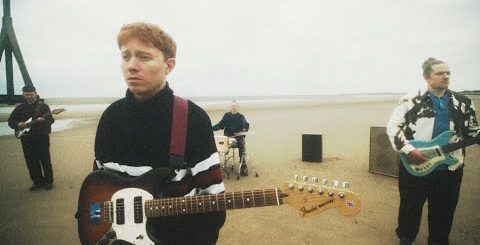
In the shadowy fringes of indie music, where the intricate melodies intertwine with brooding lyrics, King Krule stands out as a stark silhouette against the backdrop of the mundane. ‘Lead Existence,’ a track from the artist also known as Archy Marshall is an introspective odyssey, layered with complex emotions and a haunting sense of self-revelation.
Through his gravelly voice and unorthodox use of reverb and jazz-influenced instrumentation, King Krule creates a compelling narrative that resonates with listeners. The song isn’t just a sequence of words set to music; it’s an exploration of the human condition, a deep dive into the depths of inertia and the struggles of emotional stagnation.
The Weight of Stasis: Embracing the ‘Lead’ in Life
Like the weighty element lead, the song ‘Lead Existence’ elicits thoughts of a heavy, immovable life. King Krule’s methodical pacing and the sparse arrangement reinforce this imagery of a life that’s laden with lethargy. The lines ‘Live a life, that won’t change / For some time’ suggest an acceptance of a monotonous, perhaps self-imposed fate.
This isn’t just an artist singing about feeling stuck; this is a powerful expression of living in a situation that resists change. In the face of such unyielding inertia, the character in the song reveals a difficult acknowledgment—their existence is as dense and unmoving as lead itself.
The Elegiac Melody: Crafting Mood with Music
The haunting atmosphere of ‘Lead Existence’ is no accident; it’s meticulously constructed through King Krule’s emotive musical sensibilities. The dissonance and the languid tempo coalesce to paint a bleak soundscape that mirrors the song’s narrative. It’s not just what the lyrics say but how the music coaxes out the raw, under-skin feelings.
King Krule’s music often wraps melancholy in a coat of thick smoke and dim lighting, and ‘Lead Existence’ is no different. Here the music doesn’t just complement the words—it is a fundamental part of the story being told, a character in its own right, expressing what words can’t.
Baring the Soul through Silence: An Examination of Emotional Suppression
One of the most striking lines, ‘I haven’t cried for a year,’ is a testament to the emotional bottling that is all too common in modern life. King Krule uses silence and suppression as powerful narrative tools, drawing attention to the act of not weeping as a measure of time and, perhaps, a sign of a numbed existence.
Here, ‘Lead Existence’ speaks to the stunted emotional responses that come from pain or trauma. It’s a choice to not ‘prize’ oneself on ‘ill health,’ yet that very decision is symptomatic of a deeper issue at play—a hurt that runs so deep that it surpasses the need to cry, an emotional void that words fail to fill.
The Haunting Specter of Past and Loss
‘An empty room is now my doom / My past was gone’ sings King Krule, encapsulating a pervasive sense of regret and nostalgia. This imagery conveys more than just physical space—it delves into the psychology of a person haunted by absence and the echoes of memories.
‘Lost a soul to my blues’ is not only reminiscent of great bluesmen who sang of sorrow but also reflects King Krule’s unique ability to meld blues with modern indie sensibilities, creating a sense of timelessness around the very act of expressing grief and loss.
Unraveling the Enigma: The Hidden Meaning of Habit and Guilt
King Krule doesn’t shy away from complexity and ‘Lead Existence’ doesn’t disappoint in the richness of its interpretation. The lyrics ‘My head was clear not in fear of habit / And guilt never took control’ uncover the layers of coping mechanisms and the internal battles fought within the confines of the mind.
The song proclaims a clear-headedness, a claim to be free from the fear of habitual action and guilt. However, this lack of fear is implicitly intertwined with the mention of these very concepts, suggesting a deeper, more opaque struggle against the gravity of psychological chains that keep the existence leaden.